Cardiff, the capital of Wales, combines historic public parks, landscaped gardens, riverside paths, urban woodlands and protected wildlife habitats. These green spaces provide places for walking, cycling, recreation, family activities and nature observation. Cardiff has more than 330 parks and gardens, according to Visit Cardiff, making its outdoor network an important part of the city’s identity.
- What makes Cardiff’s green spaces important?
- Which green spaces should visitors explore in Cardiff?
- What is the history of Cardiff’s public parks and gardens?
- What can visitors do in Bute Park?
- Which features should visitors look for in Bute Park?
- Is Bute Park suitable for families?
- How accessible is Bute Park?
- What makes Roath Park a popular Cardiff green space?
- Where can visitors find nature reserves and wildlife in Cardiff?
- What can visitors discover at Forest Farm Country Park?
- Why is Cardiff Bay Wetlands Reserve important?
- Where else can people observe wildlife?
- Which Cardiff parks are best for walking, jogging and cycling?
- Where can people enjoy longer walks?
- Is cycling allowed in Cardiff’s green spaces?
- How can visitors plan a suitable walking route?
- Which Cardiff green spaces are suitable for families and children?
- What can families do at Victoria Park?
- How can children learn about nature in Cardiff’s parks?
- What should families check before a visit?
- Where can visitors find gardens, flowers and mature trees in Cardiff?
- What is an arboretum, and where can people find one in Cardiff?
- What can visitors see in Cardiff’s formal gardens?
- How do mature trees benefit Cardiff?
- How do Cardiff’s green spaces support biodiversity and the environment?
- How do wildlife corridors work?
- How do green spaces help manage rainwater?
- What is Cardiff doing to protect green infrastructure?
- When is the best time to visit Cardiff’s green spaces?
- How accessible are Cardiff’s parks and green spaces?
- How can visitors reach Cardiff’s green spaces?
- What should visitors with mobility requirements check?
- How can visitors explore Cardiff’s green spaces responsibly?
- How can residents find more parks and green spaces in Cardiff?
- Why will Cardiff’s green spaces remain important in the future?
- How should visitors choose the right Cardiff green space?
The city’s green infrastructure also supports biodiversity, improves the urban environment and connects neighbourhoods with the River Taff, Cardiff Bay and surrounding countryside. Cardiff Council’s 2025 Strategic Green Infrastructure Assessment reported that approximately 19% of the city comprises publicly accessible parks and green spaces, covering 2,682 hectares.
What makes Cardiff’s green spaces important?
Cardiff’s green spaces are publicly accessible parks, gardens, woodlands, playing fields, river corridors and nature reserves that support recreation, wildlife and environmental resilience. They connect urban neighbourhoods with nature and provide outdoor opportunities for residents, visitors, families and community groups.
Green spaces form an important part of Cardiff’s urban infrastructure. They provide places for exercise, relaxation, community events and informal education. They also support trees, pollinating insects, birds and aquatic wildlife in a city shaped by residential development, transport routes and commercial activity.
The term green infrastructure describes the connected network of natural and semi-natural areas that provides environmental and social benefits. In Cardiff, this network includes Bute Park, Roath Park, Forest Farm Country Park, Cardiff Bay Wetlands Reserve and the wider green corridor along the River Taff.
Cardiff Council’s strategic assessment identifies the importance of green infrastructure in addressing climate change, protecting biodiversity and improving urban resilience. Tree cover and vegetated land help moderate local temperatures, intercept rainfall and support habitats. These functions become increasingly important as urban areas experience development pressure and more frequent extreme weather.
Green spaces also vary in their purpose. Formal gardens focus on landscaped planting and paths, while recreation grounds provide open areas for sports and play. Nature reserves prioritise wildlife and habitat protection, and country parks combine conservation with outdoor access.
Understanding these differences helps visitors choose appropriate locations for exercise, family outings, quiet walks or wildlife observation.
Which green spaces should visitors explore in Cardiff?
Cardiff offers green spaces for different activities, including Bute Park for historic riverside walks, Roath Park for lakeside scenery, Forest Farm Country Park for wildlife, and Pontcanna Fields for open recreation. Cardiff Bay Wetlands Reserve provides a further destination for observing wetland habitats and birds.
The best location depends on the activity, available time, accessibility requirements and preferred landscape. Central parks suit visitors exploring the city on foot, while larger nature reserves offer opportunities to experience habitats beyond the busiest streets.
Bute Park
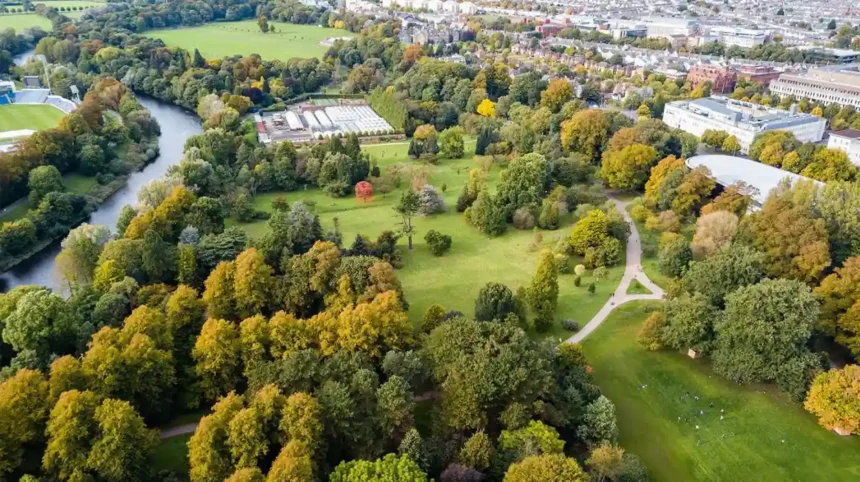
Located beside Cardiff Castle and the River Taff, Bute Park combines historic parkland, mature trees, an arboretum and walking routes. Its central location makes it suitable for visitors combining outdoor recreation with sightseeing.
Roath Park
Roath Park is known for its large ornamental lake, landscaped gardens and the Scott Memorial Lighthouse. It is a well-established destination for lakeside walks, waterfowl observation and time outdoors in the north-east of Cardiff.
Forest Farm Country Park
Forest Farm offers a different experience through its natural habitats, canal-side environment and wildlife interest. It suits visitors seeking quieter walking routes and opportunities to observe birds and other wildlife.
Pontcanna Fields
Pontcanna Fields provides broad open spaces adjoining the wider Bute Park and Sophia Gardens landscape. The area suits walking, jogging, informal recreation and enjoying open views close to central Cardiff.
Cardiff Bay Wetlands Reserve
This wetland area provides habitat for birds and other wildlife around Cardiff Bay. It is a useful destination for nature observation and for understanding how wetland habitats contribute to the city’s biodiversity.
These destinations illustrate the range of outdoor environments available in Cardiff. Visitors should check current access information, path conditions and any temporary restrictions before travelling.

What is the history of Cardiff’s public parks and gardens?
Cardiff’s public parks developed from historic castle grounds, Victorian landscape design, civic improvements and expanding public recreation needs. Bute Park became public following the Bute family’s gift in 1947, while other gardens and open spaces developed as the city expanded.
The history of Cardiff’s green spaces reflects the transformation of the city from a historic settlement and industrial port into the capital of Wales. Earlier landscapes included agricultural land, riverside settlements, private estates and grounds associated with Cardiff Castle.
Bute Park demonstrates this transition particularly clearly. The grounds surrounding Cardiff Castle underwent successive landscape changes, including eighteenth-century landscaping and Victorian improvements. Andrew Pettigrew, a gardener employed by the Bute Estate from 1873, helped develop the park’s designed landscape alongside architect William Burges.
The fifth Marquess of Bute presented the castle and its grounds to the people of Cardiff in 1947. Bute Park subsequently opened as a public park on 15 April 1949. This change established public access to a landscape previously associated with the private estate.
The park’s historic significance remains visible in its mature trees, landscaped paths, architectural features and relationship with Cardiff Castle. Cadw, the Welsh government’s historic environment service, lists Cardiff Castle and Bute Park as a Grade I registered historic park and garden. The designation recognises the landscape’s national heritage importance.
The wider city also developed a network of neighbourhood parks and recreation grounds. These spaces provided outdoor facilities as residential areas expanded and demand increased for accessible recreation. Their continued use demonstrates how historic landscapes and modern public amenities operate together.
Today, Cardiff’s parks serve several generations of users. Their management balances public access, landscape conservation, recreation, maintenance and the protection of historic features.
What can visitors do in Bute Park?
Bute Park provides opportunities for walking, cycling on permitted routes, wildlife observation, tree identification and exploring historic landscape features. Its 56-hectare parkland includes an arboretum, riverside scenery, open lawns and visitor facilities, making it one of Cardiff’s most versatile central outdoor destinations.
Bute Park sits immediately north of Cardiff Castle, with the River Taff forming a major part of its western boundary. Its paths connect the city centre with riverside landscapes and neighbouring open spaces.
The park covers approximately 56 hectares, according to Visit Cardiff. Its landscape includes more than 2,000 trees, historic planting, an arboretum, sports areas and horticultural features. An arboretum is a collection of trees maintained for conservation, study and public appreciation.
Which features should visitors look for in Bute Park?
The park contains several features that make it more than a conventional recreation ground.
- The arboretum: A collection of trees, including notable specimens and mature ornamental varieties.
- The River Taff corridor: A riverside environment supporting aquatic and bird life.
- The Animal Wall: A distinctive sculptural feature associated with Cardiff Castle.
- Historic landscape features: Paths, planted areas and architectural elements linked to the Bute Estate.
- Visitor facilities: A visitor centre, cafés, toilets and educational resources, subject to current opening arrangements.
The park’s history and biodiversity can be explored through self-guided trails and educational information. The official Bute Park website provides background on the landscape, restoration work and visitor facilities.
Is Bute Park suitable for families?
Bute Park accommodates family walks, outdoor learning and informal recreation. Natural play features and open spaces give children opportunities to explore the landscape while adults enjoy the riverside setting.
Families should plan around children’s ages, walking distances and the weather. The River Taff and other waterways require appropriate supervision, especially for younger children. Visitors should also follow signs governing cycling, events and access to particular areas.
How accessible is Bute Park?
The park has entrances close to Cardiff Castle and the city centre, and it is within walking distance of several railway stations. Its visitor information includes facilities intended to support different needs. However, surface conditions, gradients, temporary closures and event layouts affect individual routes.
Visitors requiring step-free access should check the park’s current accessibility information before setting out.
What makes Roath Park a popular Cardiff green space?
Roath Park is a major public park in north-east Cardiff, recognised for its ornamental lake, landscaped gardens and Scott Memorial Lighthouse. Its combination of water, planted areas and walking routes makes it suitable for leisurely exercise, family visits and observing urban wildlife.
Roath Park is an established destination for residents and visitors who want a lakeside setting away from the city centre. Its landscape combines open water, lawns, planted borders and paths, creating several different environments within one park.
The lake is a central feature. Visitors can walk along the water’s edge, observe waterfowl and enjoy views across the park. The Scott Memorial Lighthouse is one of the park’s best-known landmarks, connecting the landscape with the history of polar exploration.
What activities are available at Roath Park?
Roath Park supports several forms of outdoor recreation. Walking around the lake is a popular option, while landscaped sections provide opportunities to appreciate ornamental planting and seasonal changes.
Visitors can also observe birds and other wildlife associated with the lake and its surrounding vegetation. Wildlife observation should take place without feeding animals inappropriate food or disturbing nesting birds.
The park’s layout suits short visits as well as longer walks. Families can combine a lakeside route with time in designated recreation areas, while photographers can focus on reflections, waterfowl, trees and the lighthouse.
When is the best time to visit Roath Park?
Spring brings renewed growth and flowering plants, while summer offers longer daylight hours for walking and outdoor recreation. Autumn changes the appearance of trees and surrounding vegetation, and winter provides a different perspective on the lake and its resident wildlife.
Actual conditions depend on the weather and maintenance schedules. Visitors should check current information about boating, facilities and any seasonal restrictions rather than assume every activity operates throughout the year.
Where can visitors find nature reserves and wildlife in Cardiff?
Cardiff’s wildlife-rich green spaces include Forest Farm Country Park, Cardiff Bay Wetlands Reserve and river corridors around the city. These environments support different habitats, including woodland, freshwater, reed beds and grassland, giving visitors opportunities to observe wildlife while respecting conservation requirements.
Nature reserves differ from heavily landscaped parks because their management gives particular attention to habitats, wildlife and ecological processes. Some still provide walking paths and educational access, but protecting sensitive areas remains a priority.
Cardiff’s green infrastructure assessment identifies designated and non-statutory nature conservation areas across the city. Its 2025 assessment records 181 Sites of Importance for Nature Conservation, although the condition of those sites was not established in the cited assessment.
What can visitors discover at Forest Farm Country Park?
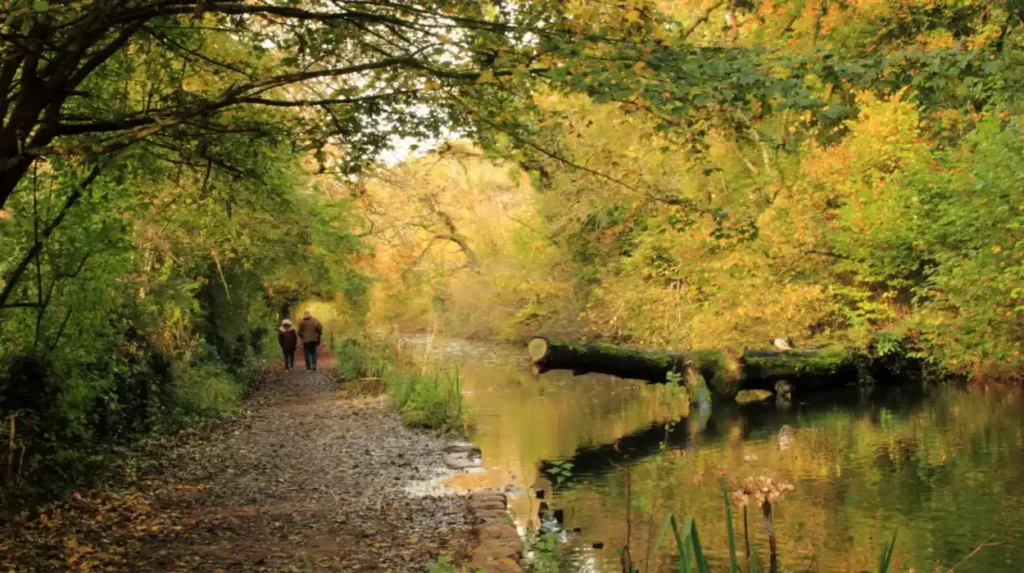
Forest Farm Country Park is located in the north-west of Cardiff and contains natural habitats associated with woodland, water and the Glamorganshire Canal area.
Visitors can use suitable paths to explore the landscape and look for birds, insects and plants. The combination of water and vegetation creates different habitat conditions, making the site relevant to local wildlife observation.
Quiet behaviour improves the experience. Visitors should remain on permitted paths, avoid disturbing animals and check local notices about access, conservation work or seasonal conditions.
Why is Cardiff Bay Wetlands Reserve important?
Cardiff Bay Wetlands Reserve demonstrates the role of wetland habitat within an urban environment. Wetlands are areas where water influences soil conditions and vegetation, supporting organisms adapted to shallow water, saturated ground or seasonal flooding.
Reed beds and other waterside vegetation provide shelter and feeding opportunities for birds and invertebrates. Wetland environments also contribute to water management and biodiversity.
The reserve forms part of the broader Cardiff Bay landscape, where urban development and wildlife habitats exist close together. Visitors should use designated viewing points and follow site guidance to avoid damaging vegetation or disturbing birds.
Where else can people observe wildlife?
Bute Park’s river corridor supports wildlife associated with freshwater environments, while Roath Park provides opportunities to observe birds around a large ornamental lake. Other parks with mature trees, grassland and planted borders also support urban biodiversity.
Wildlife sightings depend on season, weather, habitat condition and the time spent observing. Visitors should treat published species lists as indicators of what a location supports, not guarantees of seeing a particular animal on every visit.
Which Cardiff parks are best for walking, jogging and cycling?
Cardiff offers walking and exercise opportunities across Bute Park, Pontcanna Fields, Llandaff Fields, Hailey Park and the city’s riverside corridors. These locations provide different combinations of open lawns, paths and natural scenery, with route choice depending on distance, surface conditions and permitted activities.
Walking is one of the simplest ways to explore Cardiff’s green spaces. Short park paths suit casual visits, while connected landscapes support longer outings across several neighbourhoods.
Where can people enjoy longer walks?
The connected parkland around Bute Park, Sophia Gardens, Pontcanna Fields and Llandaff Fields creates a substantial open-space corridor in central and western Cardiff. Cadw identifies these adjoining landscapes as part of a large area of public open space in the city.
Visitors can plan a walk through landscaped parkland, continue into open fields and return by another path. This approach provides variety without requiring a journey outside Cardiff.
Hailey Park provides another option for outdoor exercise, particularly for residents in the north-western part of the city. Its green setting supports local recreation and access to walking routes.
Is cycling allowed in Cardiff’s green spaces?
Cycling opportunities depend on the individual park, path and applicable signs. Some routes form part of wider urban cycling connections, while pedestrian areas and sensitive habitats require different arrangements.
Before riding, check the local rules, use designated cycling routes where provided and slow down near pedestrians. Riders should also check temporary restrictions during events and avoid cycling across planted beds or wildlife-sensitive areas.
How can visitors plan a suitable walking route?
Choose a route based on the time available, the group’s fitness and the condition of the paths. A short circular walk works well for a brief visit, while a connected parkland route provides more distance and landscape variety.
Check the forecast, carry drinking water and wear footwear suitable for wet ground. After heavy rain, riverside paths and low-lying areas require additional care because surfaces can become muddy or slippery.
Which Cardiff green spaces are suitable for families and children?
Family-friendly green spaces in Cardiff include Bute Park, Roath Park, Victoria Park and neighbourhood recreation grounds. These locations provide opportunities for walks, outdoor play and nature learning, with facilities and activities varying by site, age group, season and current park arrangements.
Families benefit from choosing a park that matches children’s interests and the practical needs of the visit. A lake, playground, open lawn or woodland path creates a different experience, so checking the location in advance helps avoid unnecessary travel.
What can families do at Victoria Park?
Victoria Park in western Cardiff provides a neighbourhood park setting for outdoor recreation and family visits. Its facilities make it an option for people seeking a local green space rather than a longer nature excursion.
Families should check current information about playground equipment, refreshments and accessible facilities before visiting. Younger children require supervision around play equipment, water features and shared paths.
How can children learn about nature in Cardiff’s parks?
Parks provide practical opportunities to observe seasonal changes, identify trees and understand wildlife habitats. Children can compare the leaves of different trees, look for pollinating insects around flowers or watch birds from a respectful distance.
A simple nature walk can focus on three observations: a tree, an insect and a bird. Children can record what they see without collecting living plants, disturbing nests or removing natural materials from protected areas.
Bute Park’s educational resources and visitor centre provide additional ways to explore the landscape’s heritage and wildlife. Schools and community groups can also use the park for structured outdoor learning, subject to arrangements with park management.
What should families check before a visit?
Families should confirm the location of toilets, playgrounds, refreshments and suitable entrances. They should also check whether any planned event affects access or parking.
A practical visit plan includes water, weather-appropriate clothing, a meeting point and an agreed route. When visiting wildlife areas, children should understand why animals need space and why feeding wildlife can create problems.
Where can visitors find gardens, flowers and mature trees in Cardiff?
Cardiff’s gardens and tree-rich parks include Bute Park’s arboretum, Roath Park’s landscaped grounds, Insole Court’s gardens and the city’s civic gardens. These places showcase ornamental planting, mature trees and seasonal flowers while preserving important elements of Cardiff’s landscape heritage.
Gardens differ from open recreation grounds through their emphasis on planting design, horticultural maintenance and visual structure. They often contain carefully selected trees, shrubs, flowering plants and formal paths.
What is an arboretum, and where can people find one in Cardiff?
An arboretum is a managed collection of trees assembled for purposes such as education, conservation and horticultural interest. Bute Park’s arboretum contains a range of ornamental trees, including specimens recognised for their size or importance.
Visitors can compare bark, leaf shape, canopy structure and seasonal colour. Tree labels and interpretive information, where available, help people understand the differences between species.
What can visitors see in Cardiff’s formal gardens?
Roath Park combines its lake with landscaped areas and ornamental planting. Insole Court provides another garden setting, linking planted grounds with a historic property in western Cardiff. Civic gardens in the city centre offer formal landscaping and quieter spaces close to public buildings.
The appearance of these places changes throughout the year. Spring flowering, summer foliage, autumn colour and winter tree structure create different opportunities for horticultural observation.
How do mature trees benefit Cardiff?
Mature trees provide shade, support wildlife and contribute to the character of historic landscapes. Their canopies intercept rainfall, while their leaves and branches create habitat for birds and invertebrates.
Trees also help moderate temperatures in built-up areas. Cardiff’s strategic green infrastructure assessment identifies the role of tree cover in improving environmental conditions and helping address urban heat and flood risk.
Protecting mature trees requires suitable maintenance, space for roots and careful management of nearby construction. Their long-term value extends beyond their appearance because established trees take many years to replace.
How do Cardiff’s green spaces support biodiversity and the environment?
Cardiff’s green spaces support biodiversity by providing habitats, connecting wildlife populations and maintaining vegetation, freshwater and grassland within the urban environment. Parks, wetlands and woodland corridors also help manage rainfall, moderate local temperatures and improve the environmental quality of surrounding neighbourhoods.
Biodiversity means the variety of living organisms, including plants, animals, fungi and microorganisms, together with the ecosystems they form. Urban biodiversity depends on the availability and condition of habitats as well as connections between them.
How do wildlife corridors work?
A wildlife corridor is a strip or sequence of habitat that allows organisms to move between larger natural areas. In Cardiff, riverside vegetation, tree-lined paths and connected parks contribute to a wider network of green infrastructure.
The River Taff corridor links central parkland with habitats farther north. Vegetated waterways can support movement by birds and other wildlife, although the effectiveness of each connection depends on habitat quality and barriers.
How do green spaces help manage rainwater?
Vegetated land allows some rainfall to infiltrate the ground rather than immediately entering drains. Trees intercept rain, while soils and planted areas can store water temporarily.
Wetlands and riverside landscapes also interact with the movement and storage of water. Their benefits depend on local topography, soil, drainage infrastructure and flood management measures. A public park should not automatically be considered flood-safe simply because it contains vegetation.
What is Cardiff doing to protect green infrastructure?
Cardiff’s Strategic Green Infrastructure Assessment, published in January 2025, identifies green assets and considers their role in planning and environmental resilience. It records 2,682 hectares of publicly accessible parks and green spaces, equivalent to approximately 19% of the city, and identifies 1,073 hectares of green space owned and managed by Cardiff Council.
These figures distinguish publicly accessible green space from land specifically owned and managed by the council. They also show why effective planning needs to consider both individual parks and the wider network.
Protecting that network involves maintaining existing habitats, improving ecological connections and considering green infrastructure when assessing development. Long-term results depend on planning decisions, maintenance, funding and community participation.
When is the best time to visit Cardiff’s green spaces?
Cardiff’s green spaces are accessible throughout much of the year, with spring offering fresh growth, summer providing longer daylight, autumn bringing changing foliage and winter revealing parkland structure. The best visiting time depends on weather, daylight, wildlife activity and the facilities available at each location.
Spring is suitable for observing flowering plants, new leaves and increased wildlife activity. Gardens and ornamental parks become particularly interesting as planting develops, while woodland paths reveal seasonal changes in vegetation.
Summer provides longer periods of daylight for walking, picnics and family outings. Popular parks can become busier during weekends, public holidays and scheduled events. Visitors should carry water and use shaded routes during hot weather.
Autumn brings changes in leaf colour and opportunities to observe seasonal bird activity. Parks with mature trees, including Bute Park and Roath Park, provide different views as the canopy changes.
Winter offers quieter walks and clear views through deciduous woodland. However, shorter daylight hours, rain and muddy paths require more careful planning.
Before visiting, check local opening hours and access notices. Bute Park’s published visitor information gives its general opening schedule as 7:30 am until 30 minutes before sunset, although visitors should confirm current arrangements.
How accessible are Cardiff’s parks and green spaces?
Accessibility varies across Cardiff’s parks according to entrance design, path surfaces, gradients, toilets, seating and transport connections. Bute Park’s central location and visitor facilities support many types of visits, but visitors should check individual park accessibility information before planning a specific route.
Accessible outdoor spaces help residents and visitors with different mobility requirements participate in recreation. Features such as firm paths, step-free entrances, accessible toilets, benches and clear directional signs can make a significant difference.
However, accessibility is not identical across all locations. A park with accessible main paths can still contain steep sections, uneven woodland tracks or temporary barriers. Weather can also affect path surfaces.
How can visitors reach Cardiff’s green spaces?
Bute Park is within walking distance of Cardiff Central, Cardiff Queen Street and Cathays railway stations, according to Visit Cardiff. Its central location also makes it practical for visitors arriving by public transport.
For parks farther from the centre, check local bus routes, cycling connections and available parking before travelling. Public transport services and timetables change, so use current journey information.
What should visitors with mobility requirements check?
Before setting out, confirm whether the intended route is step-free and whether its surface is suitable for the equipment being used. Check the location of accessible toilets, resting places and entrances.
Contact the relevant park operator if published information does not answer a specific question. Planning around confirmed facilities is more reliable than assuming every path or amenity is accessible.
How can visitors explore Cardiff’s green spaces responsibly?
Responsible visits to Cardiff’s green spaces involve following park signs, keeping dogs under control, disposing of litter correctly, protecting plants and respecting wildlife. Visitors should use permitted routes, observe local restrictions and leave habitats undisturbed so that public recreation remains compatible with conservation.
Public parks are shared environments. Their continued condition depends on routine maintenance and the behaviour of people using them.
Visitors can follow several practical principles:
- Take litter home or use suitable bins.
- Keep dogs under control and follow local lead requirements.
- Avoid feeding wildlife inappropriate food.
- Stay on designated paths in sensitive habitats.
- Do not damage trees, collect protected plants or disturb nests.
- Respect sports areas, event boundaries and temporary closures.
Dog owners should check the rules for each park because restrictions differ between locations and particular facilities. Nature reserves also require care around nesting birds, reed beds and other sensitive habitats.
Community participation helps support these spaces. Residents can report damaged equipment or maintenance issues through Cardiff Council’s official parks service and explore opportunities for volunteering where programmes are available.
How can residents find more parks and green spaces in Cardiff?
Residents can use Cardiff Council’s official parks directory and Visit Cardiff’s parks and gardens listings to identify local green spaces. These resources help users compare locations, find play areas and discover destinations suited to walking, gardening, wildlife observation and outdoor recreation.
Cardiff’s parks are distributed across the city, so a suitable outdoor destination is not limited to the best-known central locations. Neighbourhood parks and recreation grounds often provide convenient places for everyday exercise and family activities.
Cardiff Council’s parks page includes a directory for finding parks and play areas, along with information about park maintenance, grass cutting, trees and reporting problems.
Visit Cardiff also maintains a parks and gardens guide covering major destinations, including Bute Park, Heath Park, Hailey Park and Cardiff Bay Barrage.
Residents can use these official resources to check facilities and identify parks close to home. For nature-focused visits, look for locations with woodland, wetlands, riverside vegetation or designated conservation areas.
Planning visits around transport access, walking distance and the intended activity helps people make better use of Cardiff’s green infrastructure.
Explore More Area Guide
Cardiff Parks With Free Parking: Visitor Guide
Best Places to Watch the Sunset in Cardiff, Wales
Why will Cardiff’s green spaces remain important in the future?
Cardiff’s green spaces will remain important for public recreation, biodiversity, climate resilience and neighbourhood wellbeing as the city develops. Protecting existing parks, improving habitat connections and maintaining accessible outdoor facilities will help ensure that green infrastructure continues to serve residents and wildlife.
Urban growth increases the importance of planning for nature alongside housing, transport and public services. Existing parks provide established landscapes that support recreation, trees and wildlife, while new green infrastructure can improve connections between neighbourhoods and natural habitats.
Cardiff’s 2025 green infrastructure assessment provides a planning framework for understanding the distribution and environmental contribution of these assets. Its findings highlight the scale of publicly accessible green space and the need to consider biodiversity, urban heat and flood management when planning for the future.
Future improvements depend on maintaining existing facilities, protecting mature trees, supporting habitat restoration and ensuring that people can access outdoor spaces across different parts of the city.
Community involvement also has a role. Responsible park use, local conservation projects and public participation in planning can help protect the character and environmental value of these places.
How should visitors choose the right Cardiff green space?
The right Cardiff green space depends on the purpose of the visit. Bute Park suits historic riverside walks, Roath Park offers lakeside scenery, Forest Farm supports nature observation, and Pontcanna Fields provides open recreation close to the city centre.
Cardiff’s green spaces form a diverse network of public landscapes, from formal gardens and historic parkland to wetlands, woodlands and recreation grounds. Each type serves different needs, including exercise, family activities, environmental education and wildlife observation.
For a first visit, Bute Park provides a convenient introduction to Cardiff’s historic and natural landscape. Roath Park offers a different experience centred on its lake and gardens, while Forest Farm Country Park provides a setting for exploring wildlife habitats.
Residents looking for regular outdoor activities can use Cardiff Council’s parks directory to identify neighbourhood facilities and check current visitor information. Protecting these spaces through responsible use and effective management will help preserve their environmental, historical and recreational value for future generations.
What are the best green spaces in Cardiff?
Some of the best green spaces in Cardiff include Bute Park, Roath Park, Forest Farm Country Park, Pontcanna Fields and Cardiff Bay Wetlands Reserve. Each offers different opportunities for walking, family activities, wildlife observation and outdoor recreation.