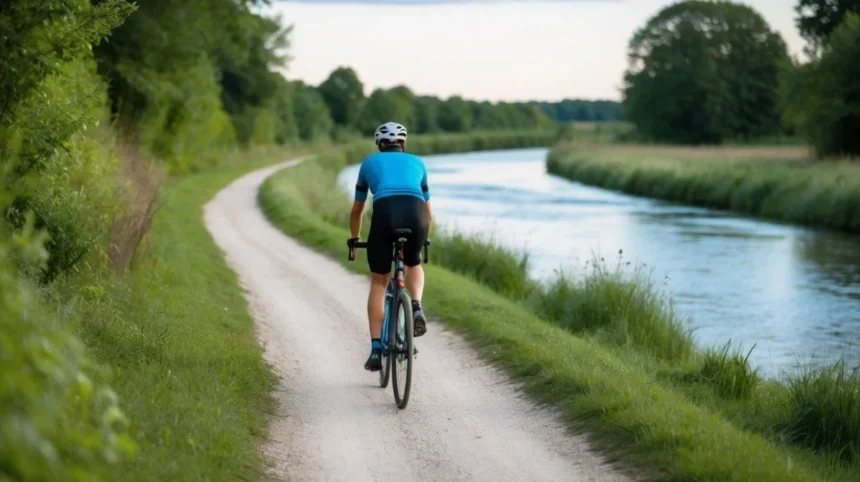
The Taff Trail is one of South Wales’ best-known long-distance walking and cycling routes. It connects Cardiff Bay with Brecon through the Taff Valley, linking the Welsh capital with riverside landscapes, historic towns, woodland, reservoirs and mountain scenery. The route provides a way to explore Cardiff beyond its central shopping streets and major visitor attractions.
- What Is the Taff Trail in Cardiff?
- How Long Is the Taff Trail From Cardiff?
- Where Does the Taff Trail Start in Cardiff?
- Which Places Can You Visit Along the Taff Trail in Cardiff?
- Cardiff Bay and Roald Dahl Plass
- Principality Stadium
- Cardiff Castle
- Bute Park
- Llandaff Cathedral
- Forest Farm Nature Reserve
- Castell Coch and Tongwynlais
- Is the Taff Trail Suitable for Walking and Cycling?
- What Is the History of the Taff Trail?
- How Can You Reach the Taff Trail by Public Transport?
- What Facilities Are Available Along the Taff Trail?
- What Safety Precautions Should You Follow on the Taff Trail?
- When Is the Best Time to Visit the Taff Trail in Cardiff?
- How Can You Plan a Taff Trail Day Trip From Cardiff?
- Why Is the Taff Trail Important to Cardiff’s Green Spaces and Tourism?
- What Should You Know Before Visiting the Taff Trail in Cardiff?
The Cardiff section passes through the city’s waterfront, central districts, public parks and northern suburbs. Walkers and cyclists can follow shorter sections for a few hours or continue north towards Tongwynlais, Pontypridd and Merthyr Tydfil. The full route offers a longer journey through South Wales and into the countryside of Bannau Brycheiniog National Park, also known by its former English name, the Brecon Beacons National Park.
The trail combines outdoor recreation with access to Welsh history, transport connections and local communities. Understanding its route, surfaces, landmarks and access points helps visitors choose a suitable section and prepare for a comfortable journey.
What Is the Taff Trail in Cardiff?
The Taff Trail is a waymarked walking and cycling route connecting Cardiff Bay with Brecon over approximately 55 miles. Its Cardiff section follows riverside paths and public green spaces, linking waterfront attractions, historic landmarks, neighbourhoods and countryside routes towards Tongwynlais.
The Taff Trail forms part of the wider National Cycle Network and is associated with National Cycle Route 8, which connects with the Lôn Las Cymru long-distance cycling route. Its surfaces include riverside paths, former railway lines, forest tracks and sections that require road travel. The route is therefore not one continuous, uniformly surfaced footpath.
In Cardiff, the route links the waterfront with the River Taff corridor and northern green spaces. Visitors pass through an urban landscape where public parks, bridges, historic buildings and riverside paths sit close to residential and commercial districts.
The trail serves different purposes. Leisure cyclists use it for recreational rides, walkers explore shorter stretches, and some residents use sections for everyday journeys. Its connections with public transport also support one-way trips rather than requiring visitors to return to their starting point.
How Long Is the Taff Trail From Cardiff?
The complete Taff Trail measures approximately 55 miles (88.5 kilometres) between Cardiff Bay and Brecon. The Cardiff section extends roughly eight miles to Tongwynlais, although the distance varies according to the chosen starting point, destination and route variation.
The full route is a long-distance journey, while the Cardiff section offers a manageable introduction to the trail. Visit Cardiff identifies an approximately eight-mile stretch between Cardiff and Tongwynlais. Other route guides describe different distances because they begin at Bute Park or use alternative access points.
A useful way to plan the journey is to select a destination rather than assume that every visitor needs to complete the entire trail.
- Short city exploration: Walk or cycle between Cardiff Bay and central Cardiff, stopping at waterfront landmarks and riverside paths.
- Parkland and heritage route: Continue north through Bute Park towards Llandaff and the northern green spaces.
- Castle excursion: Follow the route towards Tongwynlais and explore the area around Castell Coch.
- Long-distance journey: Continue through the valleys towards Pontypridd, Merthyr Tydfil and Brecon.
These options allow visitors to match the distance to their available time and fitness. The complete route requires considerably more preparation than the Cardiff section, particularly where the terrain becomes steeper and surfaces become rougher north of the city.
Where Does the Taff Trail Start in Cardiff?
The recognised southern starting point of the Taff Trail is Roald Dahl Plass in Cardiff Bay. The waterfront starting area contains a commemorative trail marker, and the route continues north through central Cardiff, past riverside landmarks and into the city’s network of parks.
Roald Dahl Plass is a public space in Cardiff Bay named after the Cardiff-born author Roald Dahl. Its location near the waterfront makes it a convenient place to begin a walk or cycle ride. The Wales Millennium Centre, restaurants, cafés and other waterfront facilities are nearby.
From Cardiff Bay, the trail heads towards the city centre and the River Taff. The route passes close to the Principality Stadium and Cardiff Castle before entering Bute Park, one of Cardiff’s most prominent green spaces. Visitors continuing north follow the river corridor towards Llandaff and Tongwynlais.
The start point is useful for visitors arriving by public transport or combining outdoor activity with sightseeing. Cardiff Central railway station provides access to the city centre, while local bus services connect Cardiff Bay with other parts of the city.
Before setting off, check the current route map and local signs. Temporary path closures, construction work and diversions affect the precise route available on a particular day.
Which Places Can You Visit Along the Taff Trail in Cardiff?
The Cardiff section of the Taff Trail passes close to several significant landmarks, including Cardiff Bay, the Principality Stadium, Cardiff Castle, Bute Park, Llandaff Cathedral, Forest Farm and Castell Coch near Tongwynlais. These places combine waterfront recreation, historic architecture and natural surroundings.
Cardiff Bay and Roald Dahl Plass
Cardiff Bay provides a waterfront starting point with public spaces, cafés and cultural attractions. Roald Dahl Plass is close to the Wales Millennium Centre, a major performing arts venue hosting theatre, opera, dance and musical performances.
The surrounding waterfront is suitable for visitors who want a shorter walk before exploring the city centre. Its open public spaces also provide places to rest before continuing along the trail.
Principality Stadium
The Principality Stadium stands near the River Taff in central Cardiff. It hosts major rugby fixtures, football events and concerts. The stadium’s location close to the trail makes it a recognisable landmark between Cardiff Bay and the city’s northern parks.
Visitors should expect busier pedestrian areas during major events. Check event arrangements and follow signed pedestrian routes when passing through the surrounding streets.
Cardiff Castle
Cardiff Castle occupies a central position within the city’s historic landscape. Its history spans Roman occupation, medieval development and later transformations of the site. The castle is surrounded by Bute Park, creating a direct connection between built heritage and public green space.
A visit inside the castle requires separate planning and admission arrangements. Walking along the trail near the castle provides an opportunity to appreciate its setting without necessarily entering the attraction.
Bute Park
Bute Park is a large public park beside Cardiff Castle and the River Taff. Its tree-lined paths, lawns, gardens and riverside setting make it one of the main green spaces encountered on the Cardiff route.
The park is suitable for walking, cycling on permitted routes, resting and observing urban wildlife. Visitors should follow park signage and respect restrictions on cycling in designated pedestrian areas.
Llandaff Cathedral
Llandaff Cathedral stands in the historic district of Llandaff, north-west of central Cardiff. The cathedral has medieval origins and remains an important religious and architectural landmark. Its proximity to the Taff corridor makes the surrounding area a useful stop for visitors exploring the northern city section.
The cathedral and historic village provide a different setting from the waterfront and central business district. Visitors should check opening arrangements before planning an interior visit.
Forest Farm Nature Reserve
Forest Farm is a nature reserve in north-west Cardiff, known for its wetlands, woodland, watercourses and opportunities to observe wildlife. It sits within the wider green corridor associated with the River Taff and nearby local paths.
The reserve offers a quieter setting for walking and nature observation. Visitors should stay on appropriate paths, avoid disturbing wildlife and follow any seasonal access notices.
Castell Coch and Tongwynlais
Castell Coch, meaning “Red Castle” in Welsh, stands on a wooded hillside above Tongwynlais, north of central Cardiff. The Victorian Gothic Revival castle was designed by William Burges for the third Marquess of Bute and incorporates the remains of a medieval fortification.
The surrounding woodland and elevated setting make it a major landmark on the northern part of the trail. Reaching the castle from the route involves a climb, so visitors should allow additional time and check the approach before setting off.
These attractions make the Taff Trail suitable for a combined walking, cycling and sightseeing itinerary. The best stopping points depend on the distance planned and the time available for visits.

Is the Taff Trail Suitable for Walking and Cycling?
The Taff Trail supports both walking and cycling, with much of the route following traffic-free paths. Its surfaces and difficulty vary by section, however, and some stretches use roads, gravel tracks or uneven terrain that require appropriate footwear, bicycle choice and route planning.
The Cardiff section is generally suitable for recreational outings because it includes established paths through parks and alongside the river. Families, casual cyclists and visitors on foot can choose a shorter section rather than attempt the entire distance.
Walking is useful for visitors who want to explore historic landmarks, observe wildlife or stop frequently. Cycling allows visitors to cover more distance and reach places such as Tongwynlais within a longer day trip. Pedestrians and cyclists share some sections, so both groups should travel at a considerate speed and leave space for others.
The trail becomes more demanding farther north. The Walk Wheel Cycle Trust identifies mixed surfaces and specific sections where a sturdier bicycle is recommended, including stretches between Quakers Yard and Pontygwaith and between Pentwyn Reservoir and Talybont Reservoir. The route also includes steeper terrain beyond Merthyr Tydfil.
For cycling, a hybrid or touring bicycle is a practical option for mixed surfaces. A road bicycle with narrow tyres is less suitable for rougher sections. Walkers should wear comfortable footwear with sufficient grip, particularly after rainfall.
What Is the History of the Taff Trail?
The Taff Trail developed as a long-distance recreational route linking Cardiff with the South Wales valleys and Brecon. Its route incorporates existing paths, former railway lines, canal corridors and forest tracks, connecting the region’s industrial history with modern walking and cycling.
The trail reflects the historical importance of the River Taff and its surrounding valley. The river corridor supported transport, industrial activity and the growth of communities between Cardiff and the coalfield towns to the north.
The trail’s history as a named long-distance route dates to the late 20th century. The My Taff Trail history account records its official launch in 1988, following collaborative work involving Groundwork organisations, Sustrans and public-sector partners. The project brought together existing routes and plans across several local authority areas.
Industrial remains along the route provide evidence of the region’s development. One example is the Melingriffith Water Pump near Whitchurch and Llandaff North. The water-powered beam engine was installed in 1807 to lift water from the River Taff towards the Glamorganshire Canal. It operated until 1948, according to the Sustrans route description.
Former railway corridors also form part of the trail network. Converting these transport routes into recreational paths helps preserve access through the valley while providing opportunities for walking and cycling.
The result is a route that connects Cardiff’s modern waterfront with landscapes shaped by centuries of transport, industry and settlement.
How Can You Reach the Taff Trail by Public Transport?
Cardiff Central railway station and Cardiff Bay provide useful public transport access to the southern Taff Trail. Stations farther north, including Pontypridd and Merthyr Tydfil, support trips on selected route sections, subject to current train services and local access arrangements.
Cardiff Central is a major railway interchange with services connecting the Welsh capital to destinations across South Wales and beyond. From the station, visitors can reach the River Taff and central-city sections on foot.
Cardiff Bay is another access point for visitors starting at Roald Dahl Plass. Local bus services and the city’s public transport network connect the waterfront with other districts.
For a longer cycling trip, rail travel makes a one-way itinerary possible. Visitors can start in Cardiff, ride north towards Pontypridd or Merthyr Tydfil, and return by train if the relevant service accepts bicycles and the timetable suits their plans. Transport for Wales specifically identifies these towns as useful railway access points for the Taff Trail.
Check train timetables, engineering notices, bicycle reservations and carriage restrictions before travelling. Bicycle space is not guaranteed on every service, and arrangements vary by train.
Visitors driving to the trail should choose a suitable public car park and avoid blocking residential streets or access points. A one-way journey also requires advance planning for the return trip.
What Facilities Are Available Along the Taff Trail?
Facilities along the Taff Trail vary between urban Cardiff, valley towns and rural sections. Cardiff Bay and central Cardiff provide cafés, shops and public transport, while larger towns offer additional services; remote stretches require visitors to plan food, water and toilet stops ahead.
The southern part of the route benefits from Cardiff’s concentration of visitor facilities. Cardiff Bay has cafés, restaurants and public attractions. Central Cardiff provides shops, public transport and access to services around the city centre.
Bute Park and other green spaces offer opportunities to rest, although visitors should not assume every entrance or path has nearby toilets, drinking water or refreshments. Check the current facilities available at individual parks before travelling.
Farther north, towns such as Pontypridd and Merthyr Tydfil provide places to stop for food and other essentials. Rural sections between settlements have fewer services, so cyclists and walkers should carry sufficient water and snacks for the planned distance.
Bike hire is another option for visitors without their own equipment. Visit Wales identifies providers including Pedal Power and Biped Cycles in connection with the route. Check current hire locations, opening times, bicycle availability and booking requirements directly with the provider.
Facilities can change over time. A practical plan identifies likely refreshment stops, public transport options and alternative exit points before the journey begins.
What Safety Precautions Should You Follow on the Taff Trail?
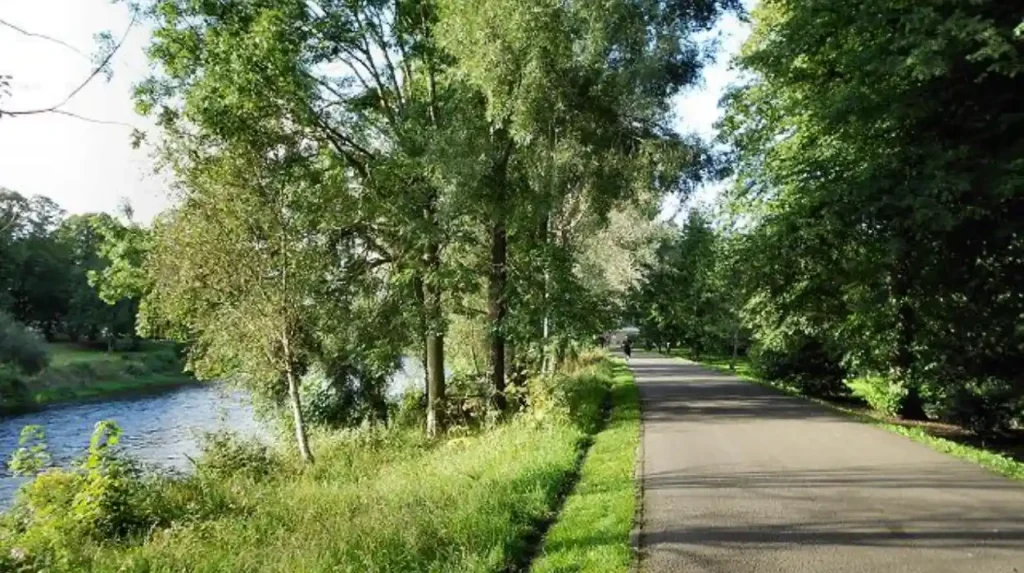
Taff Trail users should check the route, weather forecast and surface conditions before setting off. Walkers and cyclists should share paths responsibly, use suitable equipment, remain alert near roads and crossings, and follow diversion signs where construction or maintenance affects access.
The trail combines public paths, shared-use routes and sections with different surfaces. Visitors should not assume every stretch is separated from traffic or suitable for every bicycle.
Cyclists should check brakes, tyres, lights and gears before departure. A helmet, visible clothing and a charged mobile phone provide additional practical protection. Riders should reduce speed near pedestrians, bridges, junctions and narrow sections.
Walkers should wear suitable footwear and remain aware of cyclists approaching from behind. Dogs should be kept under control, especially near other trail users, livestock and wildlife. Follow signs about lead requirements and restricted areas.
Weather affects the route. Rain creates slippery surfaces, while strong winds and low temperatures affect comfort and safety on exposed sections. River levels and local conditions also change, so visitors should avoid flooded paths and never attempt to cross fast-flowing water.
The Walk Wheel Cycle Trust advises users to assess their own ability and experience, noting that route conditions and accessibility vary. Check its current route information and local notices before travelling.
Long-distance cyclists should carry basic repair equipment and know where they can leave the trail to reach a railway station or settlement. Walkers should tell someone their plans when travelling alone on quieter stretches.
When Is the Best Time to Visit the Taff Trail in Cardiff?
The Taff Trail can be explored throughout the year, with daylight, rainfall, temperature and surface conditions shaping the experience. Spring and summer provide longer daylight hours, while autumn and winter require closer attention to wet paths, visibility, clothing and changing weather.
Spring brings fresh vegetation and seasonal wildlife activity along the River Taff and in Cardiff’s parks. It is a useful season for visitors interested in nature observation, provided they follow reserve guidance and avoid disturbing nesting wildlife.
Summer offers longer daylight hours for walking and cycling. Popular areas such as Bute Park and Cardiff Bay can become busy, particularly during weekends, school holidays and major city events. Starting earlier helps visitors enjoy quieter paths.
Autumn brings changing foliage in parks and woodland around the northern route. Fallen leaves and rain create slippery surfaces, so cyclists should reduce speed and walkers should wear shoes with good grip.
Winter remains suitable for selected shorter outings when conditions are safe. Daylight is limited, and exposed or rural sections require more preparation. Check the forecast, carry appropriate layers and lights, and avoid continuing into unfamiliar terrain after dark.
No single season guarantees ideal conditions across the whole trail. Choosing a route that matches the forecast and available daylight is more important than following a fixed seasonal schedule.
How Can You Plan a Taff Trail Day Trip From Cardiff?
A successful Taff Trail day trip starts with a realistic distance, a chosen destination and a return transport plan. Visitors can explore Cardiff’s waterfront and parks on a short outing or travel towards Tongwynlais, checking access, weather and facilities before departure.
A short city itinerary can begin at Roald Dahl Plass and continue through central Cardiff towards Cardiff Castle and Bute Park. This option combines public spaces, architecture and riverside scenery without requiring a full-day cycling commitment.
For a longer excursion, follow the trail north through the city’s green corridor towards Llandaff and Tongwynlais. Allow additional time for breaks and for visiting Castell Coch. The approach to the castle includes a climb, so it is sensible to account for the extra distance and elevation.
Visitors planning to reach Pontypridd or Merthyr Tydfil should check the full route details and estimate travel time according to their speed, stops and experience. A one-way ride with a train return requires checking bicycle policies and departure times before setting off.
Pack drinking water, snacks, weather-appropriate clothing and a phone with a downloaded or accessible route map. Cyclists should carry repair essentials, while walkers should identify places where they can leave the route if necessary.
The official trail information from the Walk Wheel Cycle Trust and local tourism organisations provides a starting point for route selection. Confirm current conditions on the day rather than relying solely on an older guide.
Explore More Area Guide
Cardiff Green Spaces: Complete Guide to Parks and Nature
Best Places to Watch the Sunset in Cardiff, Wales
Why Is the Taff Trail Important to Cardiff’s Green Spaces and Tourism?
The Taff Trail connects Cardiff’s urban environment with river corridors, public parks, historic sites and the wider Welsh countryside. It supports outdoor recreation, active travel and heritage tourism while providing access to green spaces for residents and visitors across the city.
The trail gives visitors an alternative way to explore Cardiff beyond conventional sightseeing. Walking and cycling connect destinations that can otherwise feel separate, including Cardiff Bay, the city centre, Bute Park and northern neighbourhoods.
The route also provides access to landscapes associated with the industrial development of South Wales. Former canals, railway corridors and historic engineering structures demonstrate how transport infrastructure shaped communities along the River Taff. Their continued use for recreation connects the region’s industrial past with contemporary outdoor activities.
For residents, sections of the trail provide opportunities for everyday exercise and local journeys. For visitors, the route creates a link between cultural attractions, nature reserves and surrounding towns.
The trail’s long-distance character also encourages sustainable travel planning. Public transport connections enable some visitors to combine cycling with train journeys instead of relying on a return car trip. The extent of these benefits depends on individual travel choices and the availability of suitable infrastructure.
As Cardiff continues to develop, the Taff Trail remains a valuable part of the city’s network of walking routes, cycling connections and accessible outdoor destinations.
What Should You Know Before Visiting the Taff Trail in Cardiff?
Visitors should choose a suitable section, check current route conditions and plan transport before exploring the Taff Trail. The route covers approximately 55 miles between Cardiff Bay and Brecon, but shorter sections provide access to Cardiff’s parks, riverside paths and historic attractions.
The trail is not a single uniform surface. Its Cardiff section is accessible from several urban locations, while the longer northern route includes more challenging terrain and mixed surfaces. Route selection should reflect fitness, available time and the type of bicycle or footwear being used.
Visitors interested in local history can combine the route with Cardiff Castle, Llandaff Cathedral and Castell Coch. Nature enthusiasts can explore the riverside environment and nearby green spaces, while casual walkers can enjoy shorter sections around Cardiff Bay and Bute Park.
Checking public transport, opening times and weather conditions helps reduce unnecessary delays. Visitors should also follow local signs, respect wildlife and share paths responsibly.
The Taff Trail offers a practical way to experience Cardiff’s relationship with the River Taff and the wider landscapes of South Wales. Whether used for a short urban walk, a recreational cycle ride or a longer journey towards Brecon, it provides a connected route through the region’s natural and historic environment.
What is the Taff Trail in Cardiff?
The Taff Trail is a long-distance walking and cycling route connecting Cardiff Bay with Brecon. It follows the River Taff corridor through parks, historic towns, former industrial areas and Welsh countryside.