Cefn Onn Park, officially known as Parc Cefn Onn, is a historic woodland park in Lisvane, north Cardiff, Wales. It is known for its ornamental trees, rhododendrons, azaleas, streams, ponds and walking paths. The park combines historic garden design with public access to nature and woodland scenery. Cadw, the Welsh Government’s historic environment service, designated Parc Cefn Onn as a Grade II registered historic park and garden on 1 February 2022.
- What is Cefn Onn Park in Cardiff?
- Where is Cefn Onn Park located?
- What is the history of Cefn Onn Park?
- Why is Cefn Onn Park a Grade II registered historic garden?
- What can visitors see at Cefn Onn Park?
- Which trees and plants grow in Cefn Onn Park?
- When do the flowers bloom at Cefn Onn Park?
- What historic features remain in the park?
- What walking routes can visitors follow at Cefn Onn Park?
- What is the best route for a short woodland walk?
- Can visitors walk from Cefn Onn Park towards Caerphilly Mountain?
- What wildlife can visitors find at Cefn Onn Park?
- What facilities are available at Cefn Onn Park?
- Is Cefn Onn Park suitable for families and children?
- When is the best time to visit Cefn Onn Park?
- How does Cardiff Council protect Cefn Onn Park’s historic landscape?
- What restoration work has taken place at Cefn Onn Park?
- How can local residents support Cefn Onn Park?
- What should visitors know before planning a trip to Cefn Onn Park?
- What other places can visitors explore near Cefn Onn Park?
- Why should Cefn Onn Park be included in a Cardiff nature guide?
The park sits near the northern edge of Cardiff, approximately four miles from the city centre. Its woodland setting provides a destination for walking, nature observation, photography and quiet outdoor recreation. Visitors can reach the park by road, bus and train, with Lisvane and Thornhill railway station close to the entrance.
What is Cefn Onn Park in Cardiff?
Cefn Onn Park is a historic woodland country park in Lisvane, north Cardiff, featuring ornamental trees, winding paths, streams, ponds and seasonal flowering plants. Cardiff Council manages the public park, which combines early twentieth-century garden design with accessible outdoor recreation.
Parc Cefn Onn occupies a wooded valley on Cardiff’s northern outskirts. Its landscape includes mature trees, planted garden areas, water features and connecting paths. The Nant Fawr stream runs through the valley, shaping the park’s character and contributing to its natural habitat.
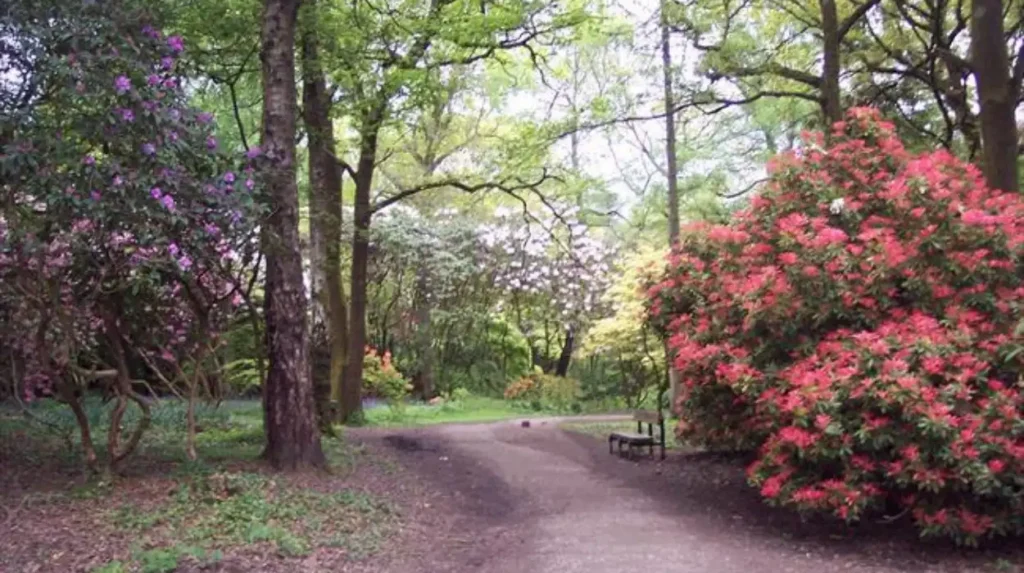
Unlike a formal city park dominated by open lawns, Cefn Onn has a woodland layout. Trees and shrubs create shaded routes, while streams and ponds provide changing views along the paths. The park’s planting includes native species and ornamental specimens introduced during its development as a private garden.
The park also serves as an outdoor gateway to the wider footpath network around Caerphilly Mountain. This connection makes it relevant to visitors seeking both a short woodland stroll and longer walks in the Cardiff countryside.
Its historic designation recognises the significance of the designed landscape, including its planting, water features and associations with the Prosser family. The combination of horticultural history and public access distinguishes Cefn Onn from many other green spaces in Cardiff.
Where is Cefn Onn Park located?
Cefn Onn Park is located on Cherry Orchard Road in Lisvane, north Cardiff, with the postcode CF14 0UE. The park lies approximately four miles from Cardiff city centre and is close to Lisvane and Thornhill railway station.
The park’s address is Cherry Orchard Road, Lisvane, Cardiff, CF14 0UE. Lisvane is a residential community in the northern part of Cardiff, close to the transition between the urban area and the surrounding hills.
The entrance’s position near a railway station makes Cefn Onn convenient for visitors travelling from central Cardiff and nearby communities. Road access also serves visitors arriving by car, while local bus services stop near the main entrance.
How can visitors reach Cefn Onn Park by train?
Lisvane and Thornhill railway station is the nearest station, approximately a one-minute walk from the park entrance according to the Friends of Parc Cefn Onn. The station connects the area with Cardiff’s railway network and destinations along the Valley Lines.
Visitors should check current Transport for Wales timetables before travelling because service frequencies and departure times vary. Walking from the station reduces the need to find parking and makes the park suitable for a public-transport day out.
How can visitors reach Cefn Onn Park by car or bus?
Drivers can follow directions to Cherry Orchard Road, Lisvane, and use the park’s on-site car park. Local buses also serve the main entrance area. Visitors should confirm current routes, service times and parking arrangements before departure.
The location is particularly practical for residents of north Cardiff, including Lisvane, Thornhill and Llanishen. Visitors travelling from elsewhere in Wales can combine a visit with other Cardiff attractions or nearby countryside walking routes.
What is the history of Cefn Onn Park?
Cefn Onn Park developed from a private woodland garden created by railway executive Ernest Albert Prosser in the early twentieth century. Cardiff Council acquired the estate in 1944, preserving its landscape for public recreation and future generations.
The park’s history is closely connected with Ernest Albert Prosser, a railway executive who acquired the land in 1910. He intended to create an estate with a new home for himself and his son, Cecil. The garden developed over the following years, particularly from around 1911 and 1919.
Prosser worked with his head gardener, Tom Jenkins, to shape the landscape. The garden included ornamental planting, a swimming pool and a summerhouse. The woodland setting and water features formed part of a planned private estate, although the intended house was never completed.
Cecil Prosser returned to the garden after serving in the First World War while recovering from tuberculosis. He died in 1923, and his father continued developing the garden. Ernest Prosser died in 1933, after which the estate passed to a nephew. Tom Jenkins remained involved in caring for the grounds.
A major change came in 1944, when the estate was offered for sale. Tom Jenkins alerted Bill Nelmes, Cardiff’s chief parks officer, to the opportunity. Alderman George Williams purchased the property for £7,500 and transferred it to Cardiff Council at the same price. Council ownership was formally established on 31 October 1944.
How did Cefn Onn become a public park?
Following the acquisition, Cardiff Council developed the estate as a public country park. The southern section received additional ornamental woodland planting during the late 1940s and 1950s. A new entrance from Cherry Orchard Road opened in 1952, improving access to this part of the grounds.
The park became known for its seasonal displays and landscaped walks. Its historic swimming pool remains part of the Dingle’s water features, although it no longer serves its original purpose. Elements of the summerhouse have also been restored, retaining links with the garden’s original design.
Today, the park represents a transition from private estate to public green space. Its historic features provide evidence of early twentieth-century garden design, while its paths and woodland serve everyday recreational needs.
Why is Cefn Onn Park a Grade II registered historic garden?
Cefn Onn Park is listed at Grade II on the Register of Historic Parks and Gardens of Special Historic Interest in Wales. Cadw designated the site on 1 February 2022, recognising its designed woodland landscape, ornamental planting and historical associations.
Cadw is the Welsh Government’s historic environment service. Its register identifies designed landscapes with special historic interest and records the features that contribute to their significance. The designation helps establish why Cefn Onn deserves protection and informed management.
The park’s designation reference is PGW(Gm)20(CDF). Cadw describes it as an informal woodland park, with principal phases of development beginning in 1919 and continuing from 1944 onwards. Its notable features include conifers, rhododendrons, azaleas and the historic garden associated with Ernest Prosser and Tom Jenkins.
Historic registration does not mean that every feature is permanently unchanged. Trees grow, planting schemes evolve, paths require maintenance and water features need care. Instead, the designation provides a framework for understanding and conserving the landscape’s historic character.
For visitors, the designation adds context to the scenery. The park is not simply a collection of trees and footpaths. Its layout reflects a century of garden development, public ownership, conservation work and adaptation to changing recreational needs.
What can visitors see at Cefn Onn Park?
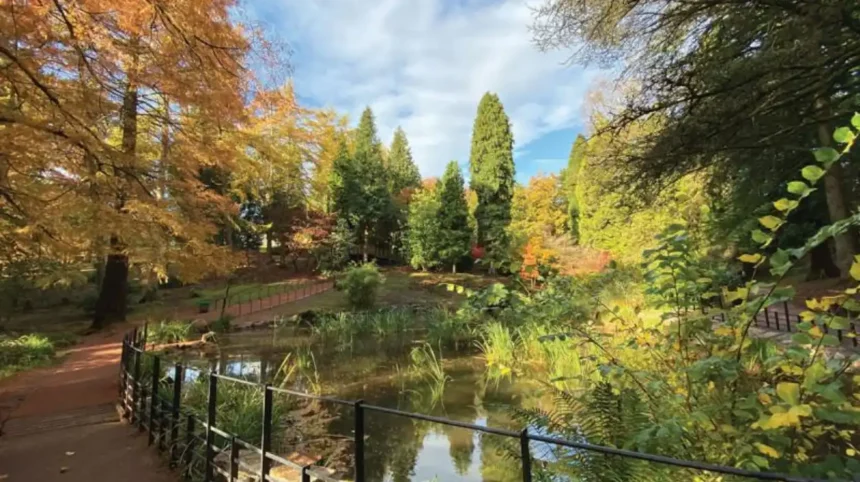
Visitors to Cefn Onn Park can explore woodland paths, mature ornamental trees, rhododendrons, azaleas, streams, ponds and historic garden features. The landscape changes throughout the year, offering seasonal flowers, autumn foliage, shaded walks and opportunities to observe wildlife.
The park’s features are distributed through its wooded valley rather than arranged as one formal garden. Visitors encounter a mixture of planted areas, natural-looking woodland and water features. The paths connect these elements, making it possible to explore the grounds at a relaxed pace.
Which trees and plants grow in Cefn Onn Park?
Cefn Onn contains native trees alongside ornamental specimens introduced as part of the historic garden. Conifers, rhododendrons and azaleas are among the characteristic plants recorded by Cadw and Cardiff’s park information service. The collection gives the landscape a distinctive horticultural identity.
The Woodland Trust records notable specimens at the site, including dawn redwoods reaching approximately 28 metres and a grand fir reaching approximately 48 metres. These figures illustrate the scale of some mature trees in the collection. Individual heights vary with growth and measurement conditions.
The Friends of Parc Cefn Onn have compiled information about 79 labelled special trees, helping visitors identify and learn about selected specimens. Their tree information and park map support self-guided exploration. Visitors interested in tree identification should check the group’s current resources before setting out.
When do the flowers bloom at Cefn Onn Park?
Spring is an important season for the park’s ornamental flowering plants, especially rhododendrons and azaleas. The timing and intensity of flowering depend on weather conditions, plant varieties and the condition of individual shrubs. Visitors seeking the main floral display should plan a spring visit and check recent local updates.
Summer provides leafy woodland scenery and shaded paths. Autumn brings changing foliage, fallen leaves and different colours across the wooded valley. Winter visits reveal the structure of mature trees and the park’s streams and pathways without the full leaf cover of spring and summer.
These seasonal changes mean that repeat visits offer different views of the same landscape. Visitors should stay on established paths and avoid damaging planted areas while taking photographs or viewing flowers.
What historic features remain in the park?
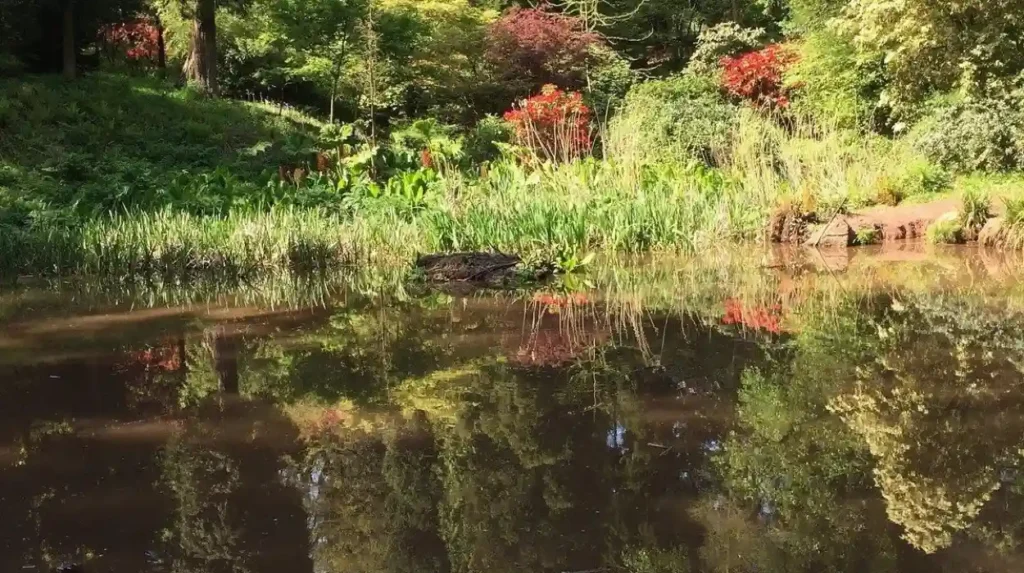
The Dingle, the garden’s original northern section, retains important traces of the Prosser estate. These include the former swimming pool, now part of the main pond, and a partially restored summerhouse. Carved stonework also records the names or initials associated with the estate.
These features help visitors understand the garden’s original purpose. They also show how the site has adapted since becoming public property. The park’s historic structures and planting form part of a wider designed landscape rather than isolated monuments.
Visitors should treat historic structures carefully and follow any signs or temporary restrictions around restoration work.
What walking routes can visitors follow at Cefn Onn Park?
Cefn Onn Park offers woodland paths through its landscaped valley, with routes passing trees, ponds, streams and historic garden features. Visitors can choose a short stroll within the park or connect with wider footpaths leading towards the surrounding Cardiff countryside.
Walking is one of the main activities at Cefn Onn. The park’s paths provide access to different parts of the woodland and connect the lower and upper sections of the historic landscape. The Nant Fawr stream and the wooded slopes provide useful landmarks while exploring.
What is the best route for a short woodland walk?
Visitors with limited time can follow the main paths through the landscaped sections and focus on the ponds, mature trees and Dingle garden. This approach allows time to appreciate the park’s historic features without committing to a longer countryside walk.
A leisurely visit can include stops to identify notable trees, observe the water features and photograph seasonal plants. The time required depends on walking speed, path conditions and the number of stops. Check the route on arrival, as maintenance work and seasonal conditions can affect access.
Can visitors walk from Cefn Onn Park towards Caerphilly Mountain?
Yes. Outdoor Cardiff identifies the park as a country park providing access to the footpath network around Caerphilly Mountain. This makes Cefn Onn a useful starting point for people looking to extend a woodland visit into a longer countryside walk.
A longer route requires more preparation than a stroll inside the park. Visitors should check the intended path, total distance, elevation, weather and daylight before departure. Suitable footwear is important on woodland and countryside paths, particularly after rain.
Walkers should also check current maps rather than assume that every path connects directly or remains accessible throughout the year. Anyone unfamiliar with the surrounding area should use a reliable walking map and follow marked public rights of way.
What wildlife can visitors find at Cefn Onn Park?
Cefn Onn Park provides woodland and freshwater habitats for wildlife, including amphibians associated with its ponds and streams. Frogs, toads and newts are recorded at the site, while mature trees, shrubs and water features support opportunities for observing other local wildlife.
The park’s combination of woodland, vegetation and freshwater features creates different habitats within a relatively compact area. Trees provide shelter and potential nesting sites, while leaf litter and undergrowth support small invertebrates. Ponds and streams provide important environments for aquatic organisms and amphibians.
Which animals live around the ponds and streams?
The Woodland Trust identifies frogs, toads and newts among the animals associated with the park’s ponds and streams. These amphibians depend on suitable freshwater habitats and nearby land cover during different stages of their life cycles.
The best way to observe them is to watch quietly from established paths or suitable viewing points. Visitors should not remove animals from the park, disturb pond margins or introduce food and other materials into the water.
Wildlife sightings change according to the season, weather and time of day. An animal that is not visible during one visit can still be present in the habitat.
Is Cefn Onn Park suitable for birdwatching?
The park’s mature trees, woodland edges and water features make it a useful place for observing birds in a green urban setting. Visitors can listen for birdsong and look for movement in the canopy without leaving the established paths.
Early mornings often provide quieter conditions for wildlife observation, although sightings depend on weather and seasonal activity. Binoculars and a simple bird identification guide help visitors distinguish species. Responsible birdwatching means keeping a suitable distance from nests and avoiding playback recordings that disturb birds.
The park’s woodland environment also provides an opportunity to introduce children to wildlife observation. Recording sightings in a notebook encourages attention to seasonal changes without requiring specialist equipment.
What facilities are available at Cefn Onn Park?
Cefn Onn Park has an on-site car park, toilets and a network of walking paths. The car park and toilet facilities are identified in visitor information, while many paths are designed with accessibility in mind. Visitors should verify current facility availability before travelling.
The park’s facilities support visits by walkers, families and people exploring north Cardiff. Parking is available on site, and the proximity of the railway station provides an alternative to driving. The main paths link the landscaped areas and allow visitors to explore the woodland.
The Woodland Trust notes that many paths, the toilets and the car park are designed for accessibility. However, this does not establish that every path is level, firm or suitable for every mobility aid. Visitors with specific access requirements should check current details before their visit.
Facilities and path conditions can change because of maintenance, weather and improvement work. Confirming the latest information is particularly important for visitors who require accessible toilets, step-free routes or a particular parking arrangement.
Are there toilets and parking at Cefn Onn Park?
Yes. Visitor information lists an on-site car park and toilets, including accessible facilities. The Friends of Parc Cefn Onn identify the car park and male, female and disabled toilets in their location information. Check opening arrangements and facility availability before travelling.
Visitors arriving by car should follow local signs and park only in designated spaces. Those travelling during busy periods should allow additional time to find parking. Taking the train can simplify the journey because Lisvane and Thornhill station is close to the park entrance.
Is Cefn Onn Park accessible for wheelchair users?
Some routes and facilities have accessibility features, but accessibility varies across the park. The Woodland Trust describes many paths as designed for accessibility and identifies accessible toilets and parking. The wooded terrain means visitors should check individual routes rather than assume the entire park is step-free.
Surface conditions are particularly relevant after prolonged rain, when woodland paths can become slippery or uneven. Visitors using wheelchairs, mobility scooters or pushchairs should seek current access information and choose routes appropriate to their equipment and needs.
Where access details are unclear, contacting Cardiff Council or consulting the latest park information is the most reliable way to plan a suitable visit.
Is Cefn Onn Park suitable for families and children?
Cefn Onn Park provides families with opportunities for woodland walks, nature observation, tree identification and seasonal flower viewing. Its paths, ponds and historic garden features support outdoor learning, while adults should supervise children near water, uneven ground and woodland vegetation.
The park suits families who want to spend time outdoors without leaving Cardiff. A short walk can introduce children to different tree shapes, flowering shrubs, streams and pond habitats. Older children can use the park’s labelled tree information to learn about horticulture and the history of designed landscapes.
Families should choose a route according to children’s ages, walking ability and the weather. A shorter circuit with regular stops is often more practical than combining the entire park with a longer countryside route.
What educational activities can children do at the park?
Children can identify different leaf shapes, record bird sightings, look for seasonal changes and compare native trees with ornamental specimens. The Friends of Parc Cefn Onn provide information about selected labelled trees, making the park a useful setting for informal nature education.
A simple activity is to record three observations during a walk, such as a tree’s bark texture, the sound of running water and a bird seen in the canopy. This encourages careful observation while keeping the visit focused on the park’s environment.
Adults should ensure that children remain on paths where appropriate, avoid entering ponds and leave plants and wildlife undisturbed. Visitors should also take litter home or use suitable bins where provided.
When is the best time to visit Cefn Onn Park?
Spring is a good time to visit Cefn Onn Park for flowering rhododendrons and azaleas, while summer offers leafy woodland scenery. Autumn brings changing foliage, and winter reveals the structure of mature trees, streams and the park’s historic garden landscape.
The best time depends on the visitor’s interests. Spring suits people interested in ornamental plants and garden photography. Summer provides shaded walking routes and opportunities to observe wildlife. Autumn attracts visitors who want to photograph changing leaves, while winter offers a different view of the park’s woodland structure.
Rainfall affects the walking experience throughout the year. After wet weather, some paths become muddy or slippery. Comfortable walking shoes, weather-appropriate clothing and a check of local conditions help visitors prepare for the visit.
What are Cefn Onn Park’s opening hours?
Outdoor Cardiff lists the park’s opening hours as 7 am until 30 minutes before sunset. Because the closing time changes with the season, visitors should check the current information before travelling, particularly during winter when daylight is limited.
Visitors planning a longer walk should allow enough time to return before closing. The same preparation is important for people connecting the park with footpaths towards Caerphilly Mountain, as the wider walk requires additional time.
How does Cardiff Council protect Cefn Onn Park’s historic landscape?
Cefn Onn Park is maintained through public park management, historic landscape conservation and community involvement. Cardiff Council works alongside the Friends of Parc Cefn Onn to support improvements, protect the garden’s features and maintain the park as a public green space.
The park’s management involves balancing public access with the protection of mature trees, ornamental planting, water features and wildlife habitats. Historic garden landscapes require ongoing care because trees age, paths deteriorate, ponds accumulate sediment and invasive or damaging plant diseases threaten vegetation.
The Friends of Parc Cefn Onn was established in 2010. The volunteer group supports grant applications, park improvement projects, wildlife recording, tree identification and practical conservation work. Its activities complement the council’s management responsibilities.
What restoration work has taken place at Cefn Onn Park?
The park has received improvement funding to support access, signage, ponds and waterways. Cardiff Council reported that £459,000 in National Lottery funding supported improvements to the historic park, including better visitor access and work on water features.
Earlier park management work also addressed plant health concerns. A 2005 outbreak of sudden oak death, caused by Phytophthora ramorum, affected trees and rhododendrons. The Friends group’s historical account describes monitoring and removal measures associated with managing the disease.
Restoration work helps maintain the park’s historic character while supporting its future use. Visitors can contribute by respecting temporary closures, staying on designated paths and avoiding damage to trees, shrubs and water features.
How can local residents support Cefn Onn Park?
Residents can support the park by joining the Friends of Parc Cefn Onn, volunteering during organised workdays and helping to protect the landscape during visits. The group lists activities such as planting bulbs, clearing ponds, restoring paths and creating wildlife habitats.
Community participation helps maintain the park as both a historic asset and a recreational resource. Volunteers can also help record wildlife sightings and share information about the site’s botanical features.
Visitors who do not have time to volunteer can still help by taking litter home, respecting wildlife, keeping dogs under control and following signs around sensitive habitats.
What should visitors know before planning a trip to Cefn Onn Park?
Visitors should check current opening times, transport services, weather and accessibility information before travelling to Cefn Onn Park. The park has an on-site car park, toilets and woodland paths, but seasonal conditions and maintenance work affect individual routes and facilities.
A little preparation helps visitors make the most of the park. The following practical points are useful when planning a visit:
- Address: Cherry Orchard Road, Lisvane, Cardiff, CF14 0UE.
- Public transport: Lisvane and Thornhill railway station is close to the entrance.
- Parking: An on-site car park is available.
- Opening times: 7 am until 30 minutes before sunset, according to Outdoor Cardiff.
- Facilities: Toilets and walking paths are listed in visitor information.
- Footwear: Choose shoes suitable for woodland paths and wet conditions.
- Wildlife: Observe animals without feeding or disturbing them.
- Longer walks: Check maps, weather and daylight before leaving the park for the surrounding countryside.
Visitors should confirm current information with Cardiff Council or Outdoor Cardiff before departure. This is particularly important when planning a visit around accessible facilities, railway connections or restoration work.
Explore More Area Guide
Forest Farm Cardiff Guide: Wildlife, Walks and Canal History
Heath Park Cardiff Guide: History, Wildlife and Visitor Facilities
What other places can visitors explore near Cefn Onn Park?
Cefn Onn Park connects visitors with the wider green landscape of north Cardiff, including footpaths towards Caerphilly Mountain and nearby woodland areas. These connections allow walkers to extend a park visit into a broader countryside outing.
The surrounding area provides opportunities for longer walks beyond the park’s landscaped paths. The wider Nant Fawr area also has historical and natural connections with Cardiff’s woodland and green-space network.
Visitors interested in a longer outing should distinguish between walking inside the managed park and following routes beyond its boundaries. A longer countryside walk requires additional preparation, including route planning, suitable footwear and enough daylight.
For people who prefer a shorter visit, the park’s own trees, ponds, streams and historic garden features provide plenty to explore without extending into the surrounding hills.
Why should Cefn Onn Park be included in a Cardiff nature guide?
Cefn Onn Park deserves a place in a Cardiff nature guide because it combines historic garden design, mature woodland, freshwater habitats and accessible outdoor recreation. Its Grade II designation, public transport links and connections to countryside paths make it a significant green space in north Cardiff.
The park’s importance extends beyond its appearance. Its history records the work of Ernest Prosser and Tom Jenkins, its 1944 acquisition secured public access, and its later restoration demonstrates the ongoing work required to protect historic landscapes.
Its trees and shrubs provide a botanical attraction, while streams and ponds support wildlife. The paths serve walkers and families, and the railway station makes the park accessible without relying entirely on private cars.
For Cardiff residents, Cefn Onn offers a destination for regular walks and seasonal nature observation. For visitors, it provides a different perspective on the city, linking urban access with woodland scenery and historic horticulture.
Protecting this landscape requires continued maintenance, responsible visitor behaviour and community participation. These efforts help preserve Cefn Onn Park as a historic garden, wildlife habitat and public recreational space for future generations.
Where is Cefn Onn Park located?
Cefn Onn Park is located on Cherry Orchard Road in Lisvane, north Cardiff, Wales. Its postcode is CF14 0UE, and Lisvane and Thornhill railway station is close to the main entrance.