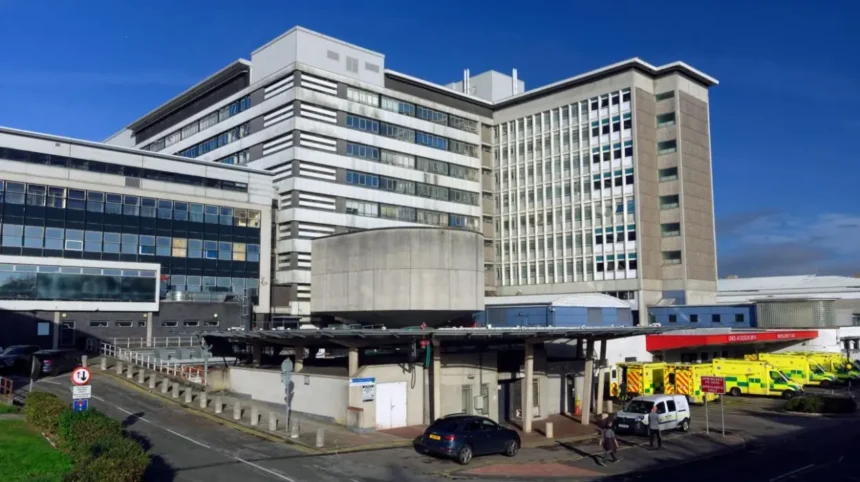
Emergency services in Cardiff protect residents, visitors, workers and vulnerable people during medical emergencies, fires, road accidents, criminal incidents and other dangerous situations. The city has access to emergency ambulance services, police response teams, fire and rescue crews, hospital emergency departments and local authority support.
- What emergency services are available in Cardiff?
- 1. South Wales Police
- 2. South Wales Fire and Rescue Service
- 3. Welsh Ambulance Services NHS Trust
- 4. Cardiff and Vale University Health Board
- When should you call 999 in Cardiff?
- How does the ambulance service work in Cardiff?
- Where can you find emergency hospital services in Cardiff?
- How does South Wales Police respond to emergencies in Cardiff?
- What does South Wales Fire and Rescue Service do in Cardiff?
- What emergency support does Cardiff Council provide?
- What should you do during a major emergency in Cardiff?
- Follow emergency responder instructions
- Prepare essential information
- Emergency Alerts
- Preparing an emergency household plan
- How can Cardiff residents access urgent healthcare without visiting A&E?
- How can visitors and vulnerable residents access emergency services in Cardiff?
- International visitors and tourists
- People with hearing or speech impairments
- Older people and vulnerable residents
- What are the most important emergency contact numbers in Cardiff?
- How do emergency services contribute to public safety in Cardiff?
- Protecting residential communities
- Supporting major public events
- Improving road safety
- Supporting vulnerable communities
- How can Cardiff residents prepare for emergencies?
Understanding how these services operate helps people contact the right organisation, report emergencies accurately and receive appropriate assistance. Cardiff is served by several national and regional emergency organisations, including South Wales Police, South Wales Fire and Rescue Service, Welsh Ambulance Services NHS Trust and Cardiff and Vale University Health Board.
The emergency number in Cardiff is 999. People should use it when someone faces immediate danger, needs urgent police intervention or experiences a serious medical emergency. For urgent medical advice that is not life-threatening, NHS 111 Wales provides an alternative service.
This guide explains the emergency services available in Cardiff, their responsibilities, how to contact them and where residents can access additional support.
What emergency services are available in Cardiff?
Cardiff has four main emergency response services: police, fire and rescue, ambulance and hospital emergency departments. These organisations respond to crime, fires, serious injuries, medical emergencies and major incidents across residential, commercial and public areas.
Emergency services form an essential part of Cardiff’s public safety infrastructure. Each organisation has specific responsibilities, trained personnel and operational procedures.
The four principal services are:
1. South Wales Police
South Wales Police provides policing across Cardiff and neighbouring areas. Its responsibilities include preventing crime, responding to emergencies, protecting vulnerable people, investigating offences and maintaining public order.
Police officers respond to incidents such as violent crime, domestic abuse, burglaries in progress, serious road collisions and immediate threats to public safety.
2. South Wales Fire and Rescue Service
South Wales Fire and Rescue Service responds to fires, road traffic collisions, rescues, hazardous incidents and other emergencies requiring specialist equipment.
Its work also includes fire prevention, community education and safety inspections.
3. Welsh Ambulance Services NHS Trust
Welsh Ambulance Services NHS Trust provides emergency ambulance services throughout Wales.
Its emergency teams assess patients, deliver urgent medical treatment and transport people to appropriate healthcare facilities when necessary.
4. Cardiff and Vale University Health Board
Cardiff and Vale University Health Board manages important hospital services in Cardiff, including the Emergency Unit at the University Hospital of Wales.
Its emergency department treats serious injuries, acute illnesses and potentially life-threatening medical conditions.
These organisations work together when an incident requires several types of assistance. For example, a serious road collision can involve police officers managing traffic, firefighters rescuing trapped passengers and ambulance crews providing emergency treatment.
When should you call 999 in Cardiff?
Call 999 in Cardiff when someone faces immediate danger, suffers a life-threatening medical condition, experiences serious violence or requires urgent fire and rescue assistance. Examples include heart attacks, major collisions, unconsciousness, severe bleeding and active fires.
The 999 emergency number connects callers with the appropriate emergency service in the United Kingdom. It operates 24 hours a day, including weekends and public holidays.
People calling 999 should explain the situation clearly and identify the emergency service they need.
Medical emergencies
Call 999 when someone experiences symptoms or injuries requiring immediate medical intervention.
Examples include:
- Severe chest pain or suspected heart attack.
- Difficulty breathing.
- Signs of a stroke.
- Unconsciousness.
- Severe bleeding.
- Choking.
- Serious burns.
- Severe allergic reactions.
- Prolonged or serious seizures.
- Major injuries following a road accident.
The Welsh Ambulance Service advises people to use 999 for serious or life-threatening emergencies.
Police emergencies
Contact police through 999 when a crime is happening or someone faces immediate danger.
Examples include violent assaults, serious threats, ongoing burglaries, dangerous incidents involving weapons and road collisions where lives are at risk.
Fire and rescue emergencies
Call 999 when a building, vehicle or outdoor area is on fire, someone is trapped or a dangerous incident requires immediate rescue assistance.
Do not attempt to control a serious fire without appropriate training and equipment.
What happens after calling 999?
The operator asks which emergency service the caller requires. The call is then transferred to the relevant control room.
Medical call handlers ask questions about the patient’s condition, symptoms, location and immediate circumstances. These questions help determine the appropriate response.
Calling 999 does not automatically mean an ambulance will arrive. The ambulance service assesses the information and determines the most suitable clinical response.
Official guidance from the Welsh Ambulance Service explains that its call handlers use a structured Medical Priority Dispatch System to assess emergency calls and coordinate assistance.
How does the ambulance service work in Cardiff?
The Welsh Ambulance Service provides emergency medical assistance across Cardiff through emergency call handling, ambulance crews, paramedics and clinical assessment. Its teams respond to life-threatening conditions, serious injuries and incidents requiring immediate medical attention.
The Welsh Ambulance Service NHS Trust operates emergency ambulance provision throughout Wales. Its responsibilities extend beyond transporting patients to hospitals.
The service provides clinical assessment, emergency treatment and appropriate referrals.
Emergency ambulance response
Ambulance crews attend incidents involving serious illness, accidents and injuries.
Paramedics are trained healthcare professionals who assess patients, administer appropriate emergency treatment and determine whether hospital transport is necessary.
Depending on the circumstances, the ambulance service deploys an emergency ambulance, rapid response vehicle or another suitable clinical resource.
Community first responders
Community First Responders are trained volunteers who provide initial assistance in certain medical emergencies.
They support the ambulance service by delivering early intervention while professional ambulance crews travel to the incident.
Their work is particularly important in situations where immediate assistance improves the patient’s chances of survival.
NHS 111 Wales
Not every health problem requires an emergency ambulance.
NHS 111 Wales provides free, round-the-clock medical advice and helps people identify appropriate healthcare services.
Residents can call 111 for advice about:
- Sudden illnesses that are not immediately life-threatening.
- Minor injuries requiring assessment.
- Medical symptoms outside normal GP opening hours.
- Uncertainty about where to obtain treatment.
- Urgent mental health support through option 2.
The service directs callers towards suitable options, including GPs, pharmacies, minor injury services and emergency departments.
The Welsh Ambulance Service confirms that NHS 111 Wales operates 24 hours a day, seven days a week.
Where can you find emergency hospital services in Cardiff?
The University Hospital of Wales in Heath provides Cardiff’s principal hospital Emergency Unit. It operates 24 hours a day, seven days a week, treating serious injuries, acute illnesses and life-threatening conditions requiring immediate hospital assessment and treatment.
The University Hospital of Wales is one of the principal healthcare facilities serving Cardiff and the surrounding Vale of Glamorgan.
It is managed by Cardiff and Vale University Health Board.
University Hospital of Wales Emergency Unit
The hospital’s Emergency Unit, commonly known as A&E, provides emergency assessment and treatment.
It treats conditions such as:
- Serious chest pain.
- Suspected strokes.
- Breathing difficulties.
- Severe injuries.
- Major bleeding.
- Serious allergic reactions.
- Unconsciousness.
- Severe burns and other acute medical conditions.
The Emergency Unit operates continuously, including overnight and during public holidays.
According to Cardiff and Vale University Health Board, the department serves a population of almost half a million people across Cardiff and the Vale of Glamorgan. It regularly receives more than 450 patient attendances each day.
This high demand demonstrates the importance of choosing the appropriate healthcare service before travelling to hospital.
When should you visit A&E?
People should attend A&E when they have a serious medical condition requiring emergency hospital assessment.
For life-threatening conditions, call 999 instead of arranging your own journey.
For urgent but non-life-threatening problems, contact NHS 111 Wales. Its clinical advisers help determine whether someone needs an emergency department, minor injury service, GP or another healthcare provider.
What should you expect at A&E?
Emergency departments use a clinical assessment process called triage.
Triage means prioritising patients according to the seriousness of their medical conditions rather than the order in which they arrive.
Patients with life-threatening conditions receive immediate attention. People with less serious conditions wait until clinical staff are available.
This approach helps hospitals allocate medical resources according to clinical need.
The health board confirms that its Emergency Unit welcomes communication in Welsh, English and British Sign Language through SignVideo.
How does South Wales Police respond to emergencies in Cardiff?
South Wales Police is responsible for responding to crimes, protecting the public, investigating offences and maintaining law and order across Cardiff. Residents should call 999 for immediate danger and use 101 or online reporting for non-emergency police matters.
South Wales Police is the regional police force responsible for Cardiff and several surrounding local authority areas. Its officers work in neighbourhood policing, emergency response, criminal investigation and public protection.
The force operates throughout Cardiff, including the city centre, residential neighbourhoods, shopping districts, transport locations and major public spaces.
Emergency police response
Police officers respond to situations requiring immediate intervention.
These include:
- Physical assaults and violent incidents.
- Domestic abuse involving immediate danger.
- Serious road traffic collisions.
- Crimes happening in progress.
- Threats involving weapons.
- Immediate risks to children or vulnerable adults.
- Serious public disturbances.
When reporting an emergency, callers should explain what happened, where the incident occurred and whether anyone has been injured.
When should you call 101?
The 101 telephone number connects people with police services for non-emergency matters.
Examples include reporting a crime that has already happened, providing information about suspicious activity and requesting assistance with non-urgent policing enquiries.
Residents can also report suitable incidents through the South Wales Police website.
Calling 101 is appropriate when there is no immediate threat to life or public safety. If circumstances become dangerous, people should call 999.
Reporting crime anonymously
People who want to provide information about criminal activity without identifying themselves can contact Crimestoppers.
Its free telephone number is 0800 555 111.
South Wales Police also provides accessible emergency communication options, including Relay UK, British Sign Language services and emergency text services for eligible users.
The police recommend calling 999 for immediate danger and 101 for non-emergency enquiries.

What does South Wales Fire and Rescue Service do in Cardiff?
South Wales Fire and Rescue Service protects Cardiff through emergency firefighting, rescue operations, road collision assistance and fire prevention. Its crews respond to incidents involving buildings, vehicles, hazardous environments and people trapped in dangerous situations.
South Wales Fire and Rescue Service is the regional organisation responsible for firefighting and rescue operations in Cardiff.
Firefighters receive specialist training to manage dangerous environments and protect people from fire, smoke, structural damage and other hazards.
Fire and rescue operations
The service responds to different emergencies, including:
Building fires: Firefighters extinguish fires in houses, flats, offices, shops and industrial buildings.
Vehicle fires: Crews control fires involving cars, vans, buses and other vehicles.
Road traffic collisions: Firefighters use specialist equipment to help rescue people trapped inside damaged vehicles.
Water rescues: Trained personnel assist during incidents involving people in rivers, waterways and other dangerous water environments.
Hazardous incidents: Fire crews respond to certain chemical releases, dangerous substances and other incidents requiring specialist intervention.
Fire prevention and safety education
The service also works to prevent emergencies before they happen.
Its community safety activities include fire prevention advice, smoke alarm awareness, home safety information and guidance for businesses.
Residents should check smoke alarms regularly, avoid overloading electrical sockets and keep escape routes clear.
Businesses should maintain suitable fire detection systems, emergency exits and evacuation procedures.
What should you do during a fire?
If a fire starts inside a property, leave the building immediately if it is safe to do so.
Warn other occupants, close doors behind you where possible and call 999 from a safe location.
Never return inside to collect belongings.
Fire safety procedures are especially important in Cardiff’s residential flats, student accommodation, commercial premises and older buildings.
What emergency support does Cardiff Council provide?
Cardiff Council provides local authority emergency assistance involving housing hazards, social care incidents, dangerous highways, parks and certain public safety problems. Its out-of-hours arrangements help residents report urgent council-related situations outside normal working hours.
Cardiff Council is the local authority responsible for municipal services across the city.
Although it is not an emergency responder like the police or ambulance service, it provides important support during incidents involving council-managed facilities and vulnerable residents.
Emergency council contact number
Residents can contact Connect 2 Cardiff on:
029 2087 2087
The standard contact centre opening hours are Monday to Friday, 8:30am to 6pm.
Outside these hours, callers receive an automated message explaining how to report certain emergencies.
The out-of-hours telephone arrangements include:
- Housing repairs that present a threat to life.
- Adult or child social care emergencies.
- Parks and highways emergencies.
- Cardiff Harbour Authority incidents.
- Traffic control matters.
For an adult or child social care emergency, Cardiff Council also lists 029 2078 8570.
Emergency housing repairs
Cardiff Council categorises housing repairs according to the level of danger and potential property damage.
An emergency repair involves an immediate danger to someone or a serious risk of damage to a property.
Examples include major water leaks, dangerous electrical faults, serious structural damage and properties that cannot be secured.
Cardiff Council aims to attend most emergency repairs within two hours of reporting. It states that emergency repairs receive attendance within 24 hours, although priorities depend on the circumstances.
Council tenants can report qualifying emergency repairs through the housing repairs service.
Adult and child social care emergencies
Social care emergencies involve situations where an adult or child faces an immediate safeguarding or welfare risk requiring urgent intervention.
Examples include serious neglect, immediate threats to a vulnerable person and situations where someone cannot safely remain in their current circumstances.
People should call 999 if someone faces immediate physical danger or needs urgent medical assistance.
Cardiff Council’s emergency contact guidance provides specific routes for reporting council-related emergencies outside normal opening hours.

What should you do during a major emergency in Cardiff?
During a major emergency, residents should follow instructions from emergency responders, move away from immediate danger and contact 999 when lives are at risk. Accurate location information, reliable communication and official public warnings help communities respond safely.
A major emergency involves an incident that threatens public safety or disrupts essential services.
Examples include large fires, serious transport accidents, flooding, severe weather and incidents affecting multiple buildings or neighbourhoods.
Follow emergency responder instructions
Police officers, firefighters and other emergency personnel coordinate public safety during major incidents.
Residents should follow instructions about evacuations, road closures and restricted areas.
Do not enter cordoned-off locations or obstruct emergency vehicles.
Prepare essential information
People should know their home address, postcode and nearby landmarks.
During an emergency call, providing an accurate location helps responders identify where assistance is required.
When reporting an incident in a large building, provide the building name, entrance, floor and room number where possible.
Emergency Alerts
The UK Emergency Alerts system sends warnings to compatible mobile phones in a defined geographical area when a serious threat to life requires public action.
Alerts can cover incidents such as severe flooding and extreme weather.
Messages provide information about the danger and instructions on what people should do.
The Welsh Government’s Wales Resilience Framework 2025 explains how emergency alerts support public protection during serious incidents.
The system is intended for situations meeting specific thresholds, including an immediate risk to life and the need for urgent public action.
Preparing an emergency household plan
Households can improve their preparedness by keeping important information accessible.
Useful preparations include:
- Emergency contact numbers.
- Essential medication information.
- A working torch and spare batteries.
- A first-aid kit.
- Important family contact details.
- A household evacuation plan.
- Information about vulnerable household members.
These preparations help people respond more effectively when normal services are disrupted.
How can Cardiff residents access urgent healthcare without visiting A&E?
Cardiff residents can access urgent healthcare through NHS 111 Wales, GP out-of-hours services, community pharmacies and minor injury services. These options provide medical assessment for illnesses and injuries that require attention but do not present an immediate threat to life.
Not every urgent health problem requires hospital emergency treatment. Choosing the appropriate service helps patients receive suitable care and reduces unnecessary pressure on emergency departments.
NHS 111 Wales
NHS 111 Wales is the main telephone service for urgent medical advice when someone is unsure where to seek treatment.
The service operates 24 hours a day and is free to call from landlines and mobile phones.
It helps people understand symptoms, access urgent healthcare and identify suitable local services.
The online NHS 111 Wales service also provides health information and guidance.
GP out-of-hours services
GP out-of-hours services provide medical assistance when ordinary GP surgeries are closed.
They support people with urgent medical problems that cannot reasonably wait until the next working day.
Patients should contact NHS 111 Wales to receive guidance about accessing appropriate out-of-hours care.
Community pharmacies
Community pharmacies provide advice and treatment for various common health conditions.
Examples include minor skin conditions, hay fever, uncomplicated infections and certain minor illnesses.
Pharmacists also advise patients about appropriate over-the-counter medicines and when further medical assessment is necessary.
Minor injury services
Minor injury services assess injuries that require professional attention but do not involve life-threatening conditions.
Examples include minor burns, small cuts, sprains and certain minor fractures, depending on the service’s facilities.
Availability and eligibility vary between healthcare facilities. NHS 111 Wales can direct Cardiff residents towards an appropriate service.
How can visitors and vulnerable residents access emergency services in Cardiff?
Visitors, international students, older residents and people with disabilities can access Cardiff’s emergency services through the same emergency telephone system. Accessible communication options, interpreters and specialist support help people obtain assistance during urgent situations.
Cardiff has a diverse population, including international students, tourists, families, older residents and people with additional support requirements.
Emergency services provide different communication arrangements to help people access assistance.
International visitors and tourists
Visitors should call 999 when they experience a serious emergency.
They should provide their current location, nearby landmarks and a clear explanation of the incident.
People who do not speak English or Welsh can request language assistance. The Welsh Ambulance Service provides access to interpreting support through Language Line.
People with hearing or speech impairments
Emergency services provide alternative communication options for people who cannot use standard telephone conversations.
These include:
- Text 999 for people who have registered with the emergencySMS service.
- Relay UK through 18000.
- 999 BSL for British Sign Language users.
- Accessible communication arrangements through relevant NHS services.
People should check registration requirements before an emergency occurs.
The Welsh Ambulance Service provides additional guidance about accessing 999 through these communication methods.
Older people and vulnerable residents
Older residents and vulnerable adults sometimes require additional assistance during emergencies.
Family members, carers and support workers should communicate relevant medical information to emergency responders.
Important information includes medication, known allergies, mobility requirements and existing care arrangements.
Emergency responders use this information to make appropriate decisions about treatment and support.
What are the most important emergency contact numbers in Cardiff?
Cardiff residents should keep emergency numbers accessible for police, ambulance, fire and rescue, healthcare advice and local authority support. The correct number depends on the seriousness of the incident and the organisation responsible for providing assistance.
The following contact details cover common emergency and urgent support situations.
Contact details are based on Cardiff Council and relevant emergency service guidance. Check official service websites for current arrangements and eligibility.
Understanding the difference between emergency and non-emergency numbers
The distinction between emergency and non-emergency services is important.
Calling 999 for a non-urgent problem can divert emergency resources from people experiencing life-threatening situations.
Similarly, using a non-emergency contact number during an immediate threat can delay essential assistance.
Residents should always prioritise immediate safety and use 999 when lives are at risk.
Explore More Area Guide
Maternity Services in Cardiff: NHS Pregnancy and Birth Care
Mental Health Support Services in Cardiff: NHS, Charities and Counselling
How do emergency services contribute to public safety in Cardiff?
Emergency services contribute to public safety in Cardiff through crime prevention, medical intervention, fire protection, rescue operations and coordinated incident management. Their work protects residents, businesses, visitors and public infrastructure throughout the city.
Cardiff is a major Welsh city with residential communities, commercial districts, educational institutions, transport networks and large public venues.
Its emergency services support public safety across these different environments.
Protecting residential communities
Police officers, firefighters and ambulance crews respond to emergencies in residential neighbourhoods.
Their work includes domestic incidents, house fires, medical emergencies and accidents.
Community safety initiatives also help residents understand fire prevention, crime reporting and emergency preparedness.
Supporting major public events
Cardiff regularly hosts sporting fixtures, concerts, cultural celebrations and large public gatherings.
Events at locations such as the Principality Stadium and Cardiff Castle attract large numbers of visitors.
Emergency planning helps organisers and public authorities manage potential risks.
Depending on the event, arrangements include medical support, crowd management, fire safety measures and emergency access routes.
Improving road safety
Emergency services also respond to incidents across Cardiff’s road network.
Police manage traffic-related incidents, firefighters assist with vehicle rescues and ambulance crews provide medical treatment.
Road users should follow traffic regulations, avoid dangerous driving and give emergency vehicles sufficient space.
Supporting vulnerable communities
Emergency organisations work with local authorities, healthcare providers and community organisations to protect people experiencing additional risks.
Examples include older residents living alone, children requiring safeguarding, people experiencing domestic abuse and individuals facing homelessness.
Coordinated support helps connect vulnerable people with appropriate emergency and longer-term services.
How can Cardiff residents prepare for emergencies?
Cardiff residents can prepare for emergencies by saving important contact numbers, learning basic first aid, maintaining smoke alarms and creating household safety plans. Preparation helps households communicate accurate information and respond quickly when unexpected incidents occur.
Emergency preparedness does not require complicated equipment or specialist knowledge.
Simple precautions reduce risks and help people make informed decisions.
Learn basic first aid
Basic first-aid knowledge helps people provide immediate assistance before professional medical teams arrive.
Useful skills include:
- Performing cardiopulmonary resuscitation (CPR).
- Using an automated external defibrillator (AED).
- Controlling external bleeding.
- Recognising stroke symptoms.
- Responding to choking.
- Recognising severe allergic reactions.
CPR is an emergency procedure that helps maintain blood circulation and oxygen delivery when someone experiences cardiac arrest.
An AED is a portable device that analyses heart rhythm and provides an electrical shock when appropriate.
People should follow emergency call-handler instructions when providing assistance.
Maintain home safety equipment
Households should regularly check smoke alarms and carbon monoxide alarms.
Electrical appliances, heating equipment and cooking facilities also require safe use and maintenance.
Residents should avoid storing flammable materials near heat sources and keep emergency exits accessible.
Prepare for flooding and severe weather
Flooding and extreme weather can disrupt roads, electricity supplies and essential services.
Residents should monitor official weather warnings and follow instructions from emergency responders.
People living in areas at risk of flooding should prepare essential supplies and identify safe routes away from affected locations.
Keep emergency information accessible
Households should maintain an accessible list of important contact numbers.
People caring for children, older relatives or individuals with disabilities should also keep relevant medical and emergency information available.
These simple measures support faster communication and more effective assistance during unexpected situations.
Emergency services in Cardiff provide essential protection through police response, firefighting, ambulance assistance, hospital emergency treatment and local authority support.
South Wales Police handles criminal emergencies and public safety incidents. South Wales Fire and Rescue Service responds to fires and rescue situations. The Welsh Ambulance Service provides emergency medical assistance, while the University Hospital of Wales delivers round-the-clock emergency hospital treatment.
Cardiff Council also supports residents through emergency housing repairs, social care arrangements and other urgent local authority services.
Understanding when to call 999, when to use 101 and when to contact NHS 111 Wales helps residents access the correct assistance.
Keeping emergency contact numbers available, following official safety instructions and preparing for unexpected incidents all contribute to a safer Cardiff.
What is the emergency number in Cardiff?
The emergency number in Cardiff is 999. Call this number for life-threatening medical emergencies, fires, serious accidents, violent crime and situations involving immediate danger.