Living in Adamsdown feels like being at the heartbeat of Cardiff. This vibrant ward, tucked east of the city centre, buzzes with a mix of terraced homes, multicultural shops along Clifton Street, and a real sense of neighbourly grit. But whispers of crime and anti-social behaviour often overshadow its charm, painting it as a “no-go zone” in online forums. This evergreen guide cuts through the noise. We’ll explore the latest crime stats, community initiatives tackling issues head-on, and practical steps residents can take to stay safe. Whether you’re a long-time local or eyeing a move, here’s the essential news on safety, renewal efforts, and why Adamsdown’s spirit endures.
Crime Statistics Overview
Adamsdown’s crime profile draws from South Wales Police data and the Welsh Index of Multiple Deprivation. In recent years, the ward has seen around 178 to 190 crimes per 1,000 residents annually, higher than the UK average of 83.5 but context matters. This rate places it in the medium category compared to other Cardiff areas, with hotspots like Knox Road (107 incidents), North Luton Place (82), and the local supermarket (152) leading reports from late 2023 to early 2024.
Violent offences top the list at 366 cases over a 14-month span, followed by anti-social behaviour and theft. The Welsh Index highlights community safety risks: 61% weight on criminal damage, 19% violent crime, and smaller shares for burglary (5%) and fires (3%). Why the elevation? Dense housing and proximity to the city centre amplify minor incidents, but per capita figures show it’s safer than stereotypes suggest—far from the highest in Cardiff, where Cathays edges it out.
These numbers aren’t static. Post-2022 data shows fluctuations, with a dip in some violent crimes thanks to targeted patrols, but theft persists near retail strips. Residents report that social media amplifies unreported incidents, skewing perceptions.
Persistent Challenges
Adamsdown grapples with visible issues that erode quality of life. Fly-tipping piles up on back lanes, homelessness clusters around support sites, and drug-related activity fuels a “climate of intimidation,” as seen in a 2026 closure of a Planet Street house. Neighbours described constant visitors day and night, leading to violence and fear—prompting South Wales Police to secure a closure order.
Anti-social behaviour accounts for 8% of recorded issues, often tied to youth gatherings or rowdy nights near pubs. A 2021 community meeting drew 40 locals, councillors, and police to address stabbings, gangs, and litter—issues that linger but spark action. Why do they persist? High deprivation scores in the area correlate with vulnerability; limited jobs and transient populations strain resources.
Homelessness adds complexity. Cardiff Council cleans streets daily and runs outreach, but exploitation of rough sleepers by dealers remains a criminal flashpoint. Sites now boast CCTV and lighting upgrades, yet reports of intimidation continue, highlighting the need for sustained multi-agency work.
Community Initiatives
Hope shines through grassroots and official efforts. In February 2026, the Wardens Office at 3a Adamsdown Lane relaunched as a community hub for connections, advice, and events—welcoming residents to drop in and build ties. This builds on a 2024 task group for Adamsdown and Splott, uniting police, council, businesses, and locals against crime.
Cardiff Partnership’s locality plans prioritise the ward, focusing on Butetown, Adamsdown, Splott, and the city centre with tailored safety showcases. Police urge direct reporting over social media posts, enabling faster interventions— a shift that’s reduced some anti-social spikes.
Volunteers patrol hotspots, while council teams target litter and rough sleeping. These aren’t quick fixes; they foster ownership. For instance, after the Planet Street shutdown, locals noted quieter streets, proving enforcement works when community-backed.
Safety Tips for Residents
Staying safe starts with awareness. Walk confidently on well-lit Clifton Street or Four Elms Road, avoiding isolated lanes like Nora Street after dark—crime logs show clusters there. Install motion-sensor lights at home; they’re cheap and deter burglaries, which hit 5% of incidents.
Report via 101 or the South Wales Police app—anonymous tips help nab offenders without hassle. Join Neighbourhood Watch groups on Facebook or via the Wardens Office; shared alerts on fly-tipping or suspects build collective vigilance.
For families, steer kids from unsupervised parks near Orbit Street, where 40 crimes were logged recently. Use council apps for street cleaning schedules and secure bins to curb rats from dumped waste. Lock vehicles in parking areas (53 incidents noted), and consider Ring doorbells for evidence.
Women and solo walkers: Stick to groups, share locations via apps like What3Words, and note escape routes. These habits slash personal risk by empowering you in a ward where community eyes are the best defence.
Positive Community News
Beyond crime, Adamsdown thrives. Its 10,371 residents in 4,064 households form a lively mosaic, with livability indexed at 66—decent for urban Cardiff. Multicultural eateries on Broadway draw crowds, and events like the Adamsdown Festival celebrate diversity.
Recent wins include enhanced security at homeless sites and the task group’s progress on anti-social behaviour. Schools nearby report stable attendance, and property values hold amid regeneration whispers. Reddit locals affirm: it’s not “bad,” just gritty—safer at night than rumour mills claim.
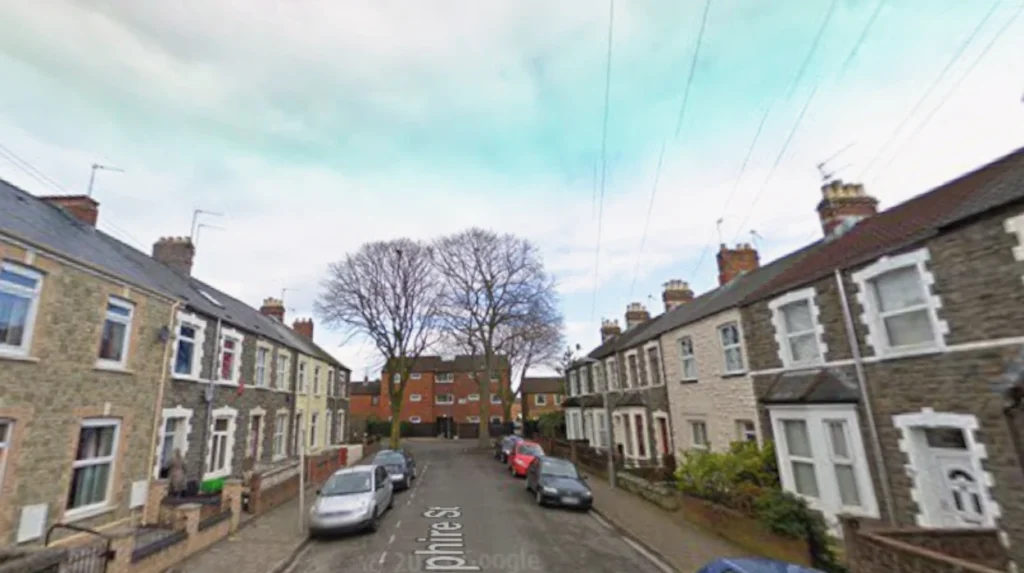
The Wardens Office revival signals investment, offering job clubs and youth programmes to tackle root causes like deprivation. Shops on Sapphire Street (34 crimes but bustling trade) show resilience, with owners forming watch schemes.
Future Outlook
Trends point upward if partnerships hold. Crime per 1,000 dipped post-task group formation, and police data for 2025 shows stabilisation. Council plans expand outreach, potentially cutting violence through early interventions.
Challenges like drug networks demand vigilance, but with 210 postcodes under watch, granular policing helps. Expect more hubs like the Wardens Office, boosting cohesion.
Residents play the starring role—reporting, participating, and supporting each other turns stats into stories of revival.
In wrapping up, Adamsdown’s tale is one of contrasts: elevated crime rates at 178-190 per 1,000, hotspots like supermarkets and student lanes, yet robust responses from police closures to relaunched hubs. Community task groups and daily clean-ups prove locals won’t back down. Arm yourself with reporting habits, neighbour networks, and awareness of streets like Knox Road. This ward’s future hinges on unity—stay informed, get involved, and help shape a safer Adamsdown. Cardiff’s east side has heart; let’s keep it beating strong.