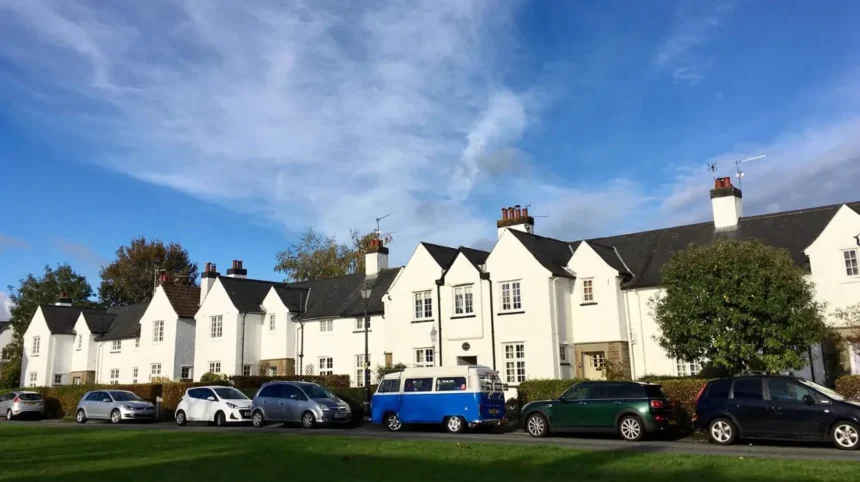
Cardiff North and Cyncoed rank as the premier urban districts for retirees in the Welsh capital, combining high proportions of residents aged 65 and over with comprehensive access to medical infrastructure, community hubs, and reliable public transportation networks.
- How do housing options and property markets vary across Cardiff for downsizers and independent seniors?
- What transport infrastructure and accessibility features support independent mobility for retirees in Cardiff?
- How do leisure, green spaces, and cultural amenities influence retirement satisfaction in Cardiff?
- What financial planning considerations and local economic factors impact retirees living in Cardiff?
The selection of a retirement location requires a granular evaluation of urban density, healthcare proximity, and social infrastructure. According to Office for National Statistics (ONS) data, the wider Cardiff region houses approximately 199,000 residents aged 65 and older, representing 18.6 percent of the total population.
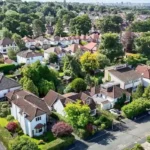
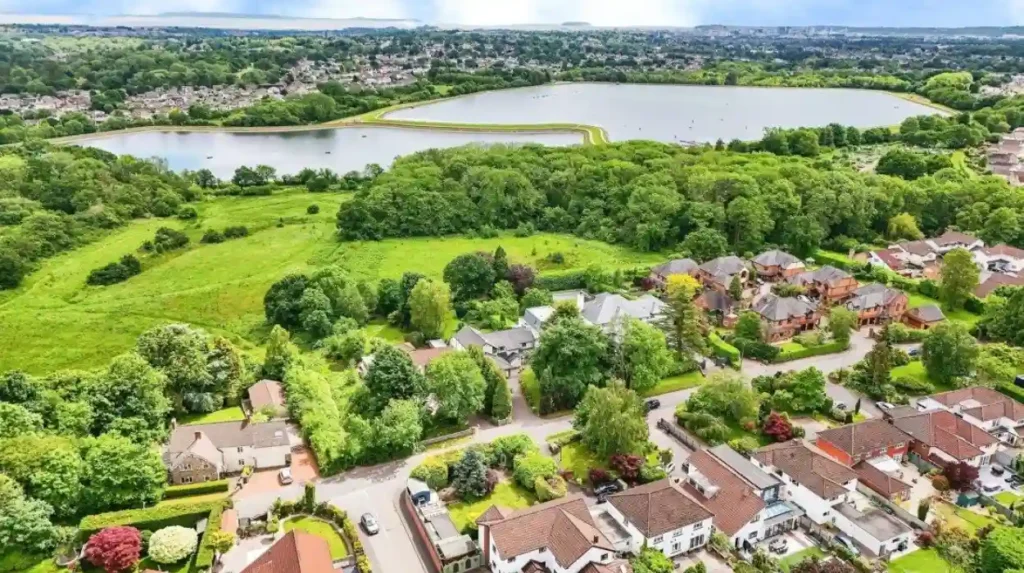
Within this demographic landscape, districts such as Cyncoed, Rhiwbina, and Lisvane stand out because they offer established residential communities with low crime rates and high property stability. These northern suburbs feature flat terrain, mature tree-lined streets, and active community councils that host weekly social clubs, volunteer networks, and adult education classes.
Proximity to specialized medical services underpins the livability of these northern districts. Residents living in Rhiwbina and Whitchurch maintain direct geographic access to the University Hospital of Wales, the largest healthcare facility in the country, which functions as a leading teaching and specialist medical center. Furthermore, Cardiff Council operates a network of community hubs that integrate local libraries, digital inclusion classes, and advice drop-ins.
These facilities mitigate social isolation among older adults by providing structured environments for civic participation. Public transit connectivity via local bus routes and the Coryton railway line ensures that non-drivers maintain independent mobility to the city center without relying on private automobiles.
How do housing options and property markets vary across Cardiff for downsizers and independent seniors?
Housing markets for retirees in Cardiff feature a distinct split between suburban bungalows in Rhiwbina, modern apartments in Cardiff Bay, and specialized extra care developments managed by local housing associations.
Housing stock configuration dictates the long-term independence of aging populations. Property data compiled by the Cardiff Council Older Persons Housing Strategy indicates an estimated additional need for 3,051 units of older person accommodation by 2035, driven by a projected 42 percent increase in residents aged between 65 and 84. Down-sizers evaluating the market encounter diverse architectural typologies and tenure models.
In suburban districts like Rhiwbina and Heath, detached and semi-detached interwar bungalows provide step-free living spaces on single levels, though demand frequently exceeds available inventory, keeping prices elevated relative to the regional average.
Conversely, Cardiff Bay offers high-density modern apartment complexes featuring lift access, secure underground parking, and balcony views of the waterfront. These developments appeal to retirees prioritizing low exterior maintenance and proximity to cultural venues like the Wales Millennium Centre.
For individuals requiring managed support without entering full residential care, Extra Care housing schemes developed through public-private partnerships provide independent apartments with 24-hour on-site care teams.
Municipal planning guidelines mandate that new affordable housing projects incorporate accessible design standards, ensuring doorways, bathrooms, and kitchen layouts accommodate wheelchair users and individuals with reduced mobility.
What transport infrastructure and accessibility features support independent mobility for retirees in Cardiff?
Cardiff provides extensive accessibility frameworks through concessionary bus passes, flat coastal walking routes along the Taff Trail, and integrated rail links connecting suburban neighborhoods to the central commercial district.
Mobility infrastructure remains a decisive factor for retirees who choose to transition away from driving. The Welsh Government administers the Concessionary Travel Scheme, which grants eligible older adults free travel across local bus services throughout Wales.
Within Cardiff, municipal bus networks operated by Cardiff Bus feature low-floor boarding ramps, audio-visual stop announcements, and designated wheelchair priority spaces. These design mandates ensure that older citizens can travel safely to medical appointments, retail centers, and social engagements.
Active travel corridors further enhance physical wellbeing. The Taff Trail provides a dedicated, traffic-free walking and cycling route that spans from Cardiff Bay northward through Bute Park and out toward Tongwynlais, allowing retirees to engage in cardiovascular exercise safely separated from vehicular traffic.
Rail transit infrastructure managed by Transport for Wales connects suburban stations such as Llandaff, Birchgrove, and Rhiwbina directly to Cardiff Central station.
Network investments continue to upgrade platform accessibility via step-free footbridges and tactile paving, accommodating visually and physically impaired passengers in alignment with national rail standards.
Explore More Area Guide
Best Family Areas in Cardiff 2026
Complete Guide to Renting in Cathays Cardiff 2026
How do leisure, green spaces, and cultural amenities influence retirement satisfaction in Cardiff?
Retirement satisfaction in Cardiff is significantly amplified by the concentration of municipal parks, historic Victorian shopping arcades, and active community groups situated within a compact, navigable metropolitan footprint.
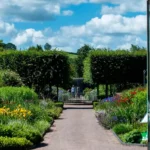
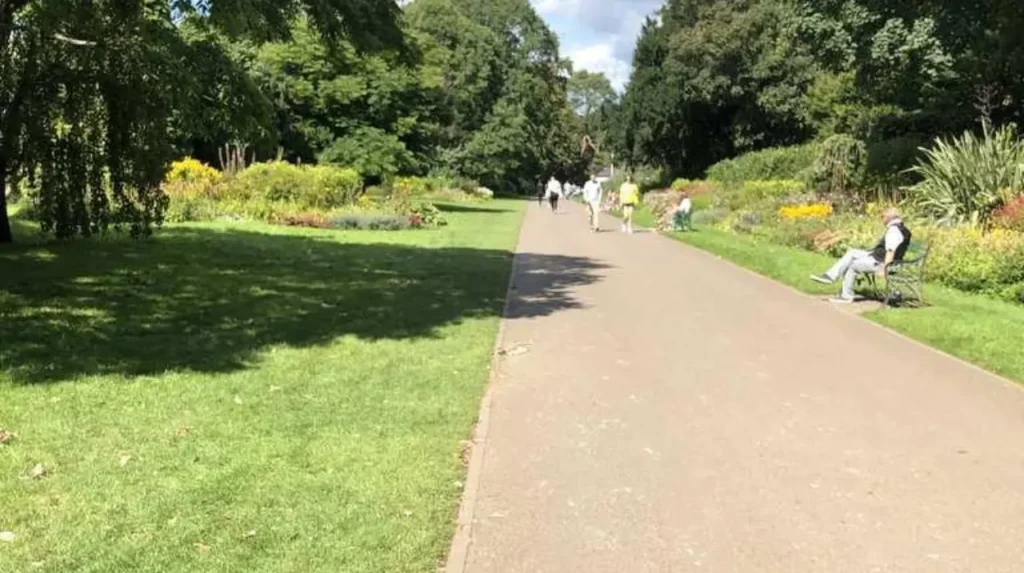
Urban livability extends beyond basic infrastructure into cultural and recreational engagement. Cardiff contains over 300 public parks and formal gardens, covering more than 10 percent of the total land area. Bute Park, situated immediately behind Cardiff Castle, offers 130 hectares of historic parkland, mature arboretums, and flat walking paths that host organized health walks tailored for older adults.
These green spaces contribute directly to mental health restoration and physical fitness, supporting the ONS metrics that correlate access to nature with higher life satisfaction scores among British retirees.
Cultural participation is facilitated by the geographic compactness of the city center. The historic Victorian and Edwardian arcades—including the Royal Arcade and the Hayes—feature continuous covered walkways that protect pedestrians from inclement weather while housing independent retailers, cafes, and traditional bakeries.
Unlike sprawling metropolitan centers, Cardiff centralizes its principal cultural institutions, museums, and theatres within walking distance of one another. This spatial concentration allows older residents to maintain active social calendars involving matinee performances, art exhibitions, and community choir practices without enduring exhausting commutes.
What financial planning considerations and local economic factors impact retirees living in Cardiff?
Retirees in Cardiff navigate a local economy defined by council tax bands set by Cardiff Council, regional variations in property values compared to southeast England, and access to localized financial advice services.
Economic security dictates the feasibility of long-term retirement planning. Property acquisition costs in Cardiff remain moderately lower than the averages recorded across southeast England, enabling migrating retirees to release equity by moving from high-cost regions into Welsh urban centers. Council tax rates, determined annually by Cardiff Council based on property valuation bands established by the Valuation Office Agency, fund local municipal services including adult social care, waste management, and library maintenance. Pensioners meeting specific criteria can apply for Council Tax Reduction schemes to manage recurring household overheads.
Financial literacy and advisory networks are accessible through local Citizens Advice bureaux and specialized later-life financial planners authorized by the Financial Conduct Authority.
These professionals assist retirees with pension drawdown strategies, Lasting Power of Attorney registrations, and attendance allowance claims administered through the Department for Work and Pensions.
Understanding these fiscal structures ensures that older residents can maintain economic stability, cover escalating health and social care costs, and preserve long-term financial independence throughout their retirement years in Cardiff.
What are the best areas for retirees to live in Cardiff?
The best areas for retirees in Cardiff include Cyncoed, Rhiwbina, Lisvane, Heath, Whitchurch, and Cardiff Bay. These locations provide access to healthcare facilities, public transport, green spaces, community activities, and suitable housing options for older residents.