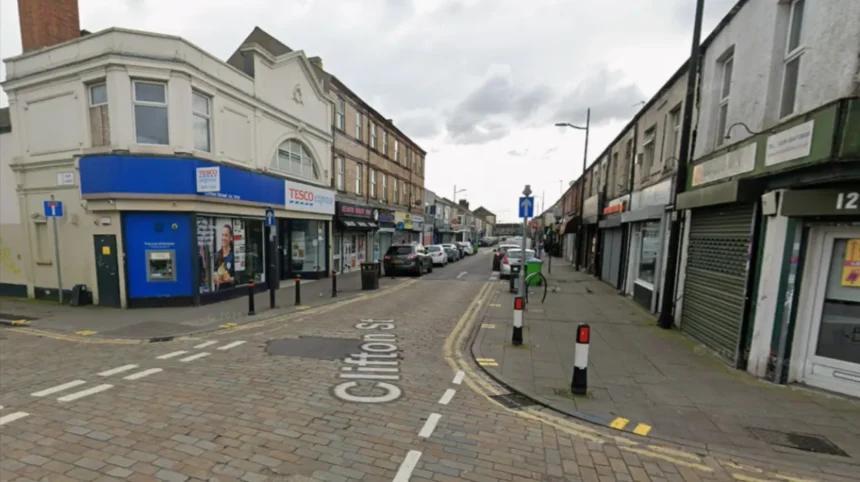
Clifton Street businesses form a busy local high street in Cardiff, centred on everyday services, food, retail, and personal care. The street serves residents in Adamsdown, Splott, and nearby areas with practical, walk-in businesses that support daily life.
- What are Clifton Street businesses in Cardiff?
- Where is Clifton Street located in Cardiff?
- What types of businesses are on Clifton Street?
- Why are there so many independent businesses on Clifton Street?
- What is the history of Clifton Street businesses?
- How does Clifton Street fit into Cardiff’s local economy?
- What makes Clifton Street important for local residents?
- What are the main challenges for Clifton Street businesses?
- Which Clifton Street businesses best show the street’s identity?
- Why does Clifton Street matter for Cardiff SEO?
- What is the long-term future of Clifton Street businesses?
What are Clifton Street businesses in Cardiff?
Clifton Street businesses are the shops, cafés, takeaways, salons, convenience stores, and pubs operating along Clifton Street in Cardiff. They serve local demand and create a neighbourhood commercial strip rather than a large destination shopping area.
Clifton Street is part of Cardiff’s inner-city east side and has long functioned as a mixed commercial street. Its business base is built around small units that serve frequent, short-visit needs. That includes food, grooming, convenience shopping, and licensed premises.
The street is valuable because it connects commerce to housing. People use it for ordinary purchases, not special trips. That gives the area a steady local role in Cardiff’s urban economy.
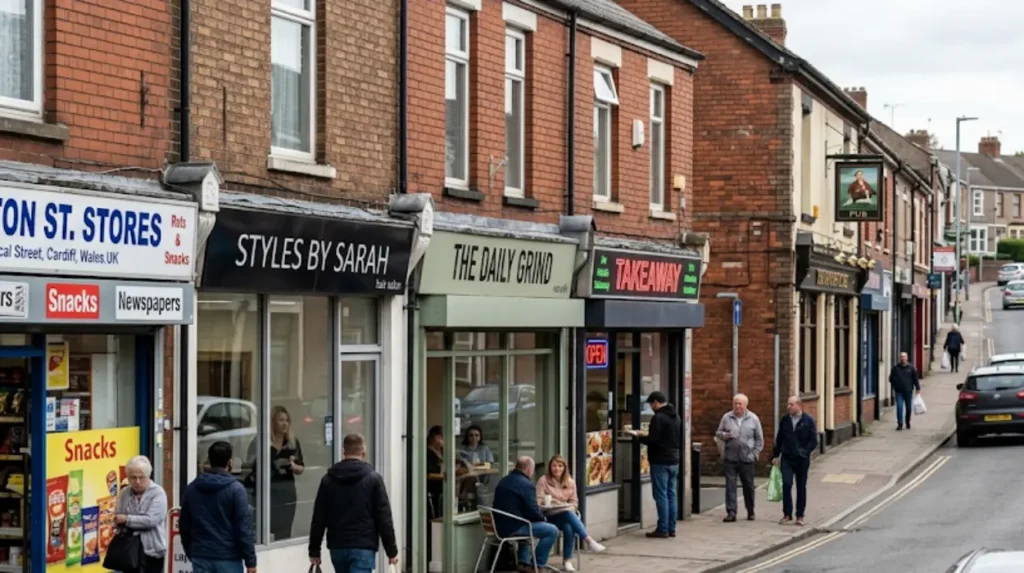
Where is Clifton Street located in Cardiff?
Clifton Street is in CF24, in the Adamsdown area close to Splott. It sits in a dense urban part of Cardiff where homes, local shops, and small service businesses sit close together.
The street’s location shapes its trade pattern. Businesses on Clifton Street depend on nearby residents, passers-by, and regular repeat visits. The road is part of a mixed-use district rather than a retail park or city-centre mall.
That setting encourages convenience-led commerce. People can stop for food, collect essentials, or use personal services without travelling far. This makes the street useful for everyday urban life.
What types of businesses are on Clifton Street?
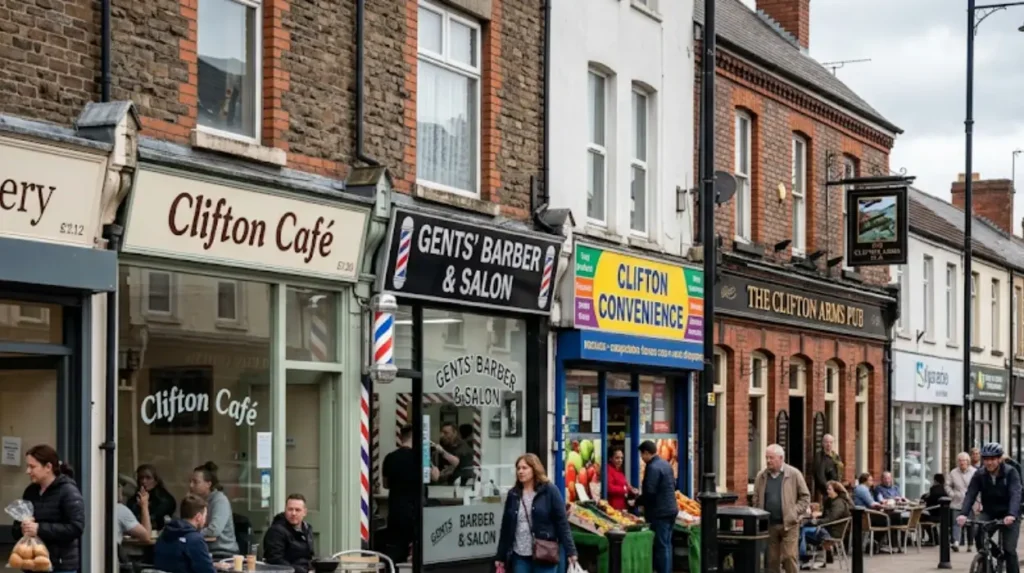
Clifton Street supports a mix of bakeries, cafés, convenience stores, hair salons, barbers, takeaways, and pubs. These businesses cover food, retail, and personal services in one compact corridor.
Food businesses are a major part of the street’s identity. Bakeries and cafés give it a strong daytime presence, while takeaways and convenience stores support evening and in-between demand. Personal care businesses add another layer of regular local use.
This mix is important for stability. When one type of business changes, others often remain. The result is a street that adapts over time while keeping its core neighbourhood role.
Why are there so many independent businesses on Clifton Street?
Clifton Street has many independent businesses because it suits small operators with local customers, modest premises, and frequent footfall. The street works well for businesses that depend on nearby demand rather than large-scale destination trade.
Inner-city streets like Clifton Street often support independent firms because they provide lower-cost units and a consistent local customer base. Businesses can open at street level, serve walk-in trade, and build repeat custom from the surrounding area.
Independent traders also fit the street’s character. A bakery, café, barber, or corner shop can operate successfully without needing the size or budget of a national chain. That keeps the street varied and locally distinct.
What is the history of Clifton Street businesses?
Clifton Street has a long commercial history, with historic pubs, changing shopfronts, and older buildings that show more than a century of urban business use. Its role has shifted over time, but the street has remained commercially active.
Historic hospitality is part of the street’s identity. Some buildings on Clifton Street have served as pubs or inns for generations, showing that trade on the road is not new. Over time, the street has also absorbed retail and service uses as the area around it has changed.
The street has seen turnover, redevelopment, and new business openings. That is normal for an inner-city commercial corridor. What remains consistent is its function as a local service street.
How does Clifton Street fit into Cardiff’s local economy?
Clifton Street is part of Cardiff’s wider network of neighbourhood high streets. It supports local spending, small business turnover, and short-distance access to everyday services.
Not every commercial area in a city needs to be a major shopping destination. Clifton Street shows how smaller urban streets still matter because they provide useful services close to where people live. That is especially important in dense residential areas.
The street also helps Cardiff’s small business ecosystem. Independent cafés, salons, food shops, and convenience stores create jobs and keep money circulating locally. This gives Clifton Street economic importance beyond its size.
What makes Clifton Street important for local residents?
Clifton Street matters because it provides practical, everyday services within walking distance. It gives residents places to buy food, get personal care, and handle small errands without travelling across Cardiff.
This convenience is the street’s main value. Residents can make quick visits for essentials, which saves time and supports local routine. The presence of multiple business types in one street makes it more useful than a single-purpose commercial area.
It also acts as a community-facing space. Streets like Clifton Street often become familiar local landmarks because people return to them often. That repeated use strengthens the street’s role in everyday neighbourhood life.
What are the main challenges for Clifton Street businesses?
Clifton Street businesses face typical inner-city pressures such as changing footfall, property turnover, vacant units, and reputation issues around older premises. These factors shape how the street performs commercially.
Like many urban high streets, Clifton Street is affected by changing consumer habits and local redevelopment. Some premises change use over time, while others stay in place for years. That creates a mixed commercial landscape.
Reputation also matters. Businesses on busy urban streets often rely on visibility, trust, and repeat custom. Strong local recognition helps stable businesses survive while weaker units are more likely to change hands.
Explore More Area Guide
The Ultimate Crwys Road Food Guide: Top Restaurants, Cafes, and Cuisines
Cowbridge Road East Shopping Guide for Cardiff Visitors
Which Clifton Street businesses best show the street’s identity?
The clearest examples are bakeries, cafés, salons, convenience stores, and pubs. Together, they show Clifton Street as a practical local centre built around food, services, and everyday trade.
A bakery or café shows the street’s daytime food economy. A salon or barber shows its personal service role. A convenience store shows how the street handles small daily purchases. A pub shows its social and hospitality function.
Taken together, these business types explain why Clifton Street remains relevant. It is not a one-category shopping strip. It is a layered local high street with several uses packed into a short stretch.
Why does Clifton Street matter for Cardiff SEO?
Clifton Street is a strong local SEO topic because it combines a place name, a city, and a clear business category. People searching for it usually want immediate, location-based information about shops and services.
This makes the topic useful for search engines and AI systems. The street has a defined geography, a clear commercial role, and a stable local identity. That is exactly the kind of entity-based subject that supports discoverability.
Good SEO writing on Clifton Street should use precise local terms such as Cardiff, Adamsdown, Splott, bakery, café, salon, convenience store, and pub. Those phrases match how users search and how the street functions in real life.
What is the long-term future of Clifton Street businesses?
Clifton Street will likely remain a local service street because its main strength is convenience. As long as nearby residents need food, shopping, and personal services, the street will keep a role in Cardiff’s neighbourhood economy.
The mix of business types gives it flexibility. If one sector changes, others can still support the street. That makes it more resilient than a single-use retail area.
Its future depends on steady footfall, good property use, and continued local demand. As Cardiff changes, streets like Clifton Street remain important because they connect housing with everyday commerce.