Choosing an English-medium school in Cardiff involves understanding the Welsh education system, school admission rules, teaching standards, curriculum requirements, and the support available to children. Parents also need to compare primary and secondary schools, review inspection reports, and understand how catchment areas affect admission decisions.
- What does English-medium education mean in Cardiff?
- How is the education system organised for children in Cardiff?
- Which English-medium primary schools should parents consider in Cardiff?
- Which English-medium secondary schools are available in Cardiff?
- What matters when choosing a secondary school?
- How does the move from primary to secondary school work?
- How does the Curriculum for Wales work in English-medium schools?
- Do children learn Welsh in Cardiff’s English-medium schools?
- How can parents check school quality and Estyn inspection reports?
- What should parents look for in an inspection report?
- Where can families find reliable school information?
- How do school catchment areas and admissions work in Cardiff?
- How do parents identify their catchment school?
- When should families apply?
- What happens if a preferred school refuses admission?
- What support is available for children with additional learning needs?
- How much does English-medium schooling in Cardiff cost?
- How do school transport and location affect the choice?
- What questions should parents ask when visiting an English-medium school?
- How can families choose the right English-medium school in Cardiff?
Cardiff, the capital of Wales, offers English-medium education through local authority schools and independent schools. English-medium schools teach most subjects through English while following the education requirements established in Wales. Welsh is also an important part of the curriculum, so pupils develop knowledge of the Welsh language alongside their other subjects.
The right school depends on a child’s age, learning needs, home location, preferred teaching environment, and future educational plans. Understanding these factors helps families make informed decisions when applying for a school place in Cardiff.
What does English-medium education mean in Cardiff?
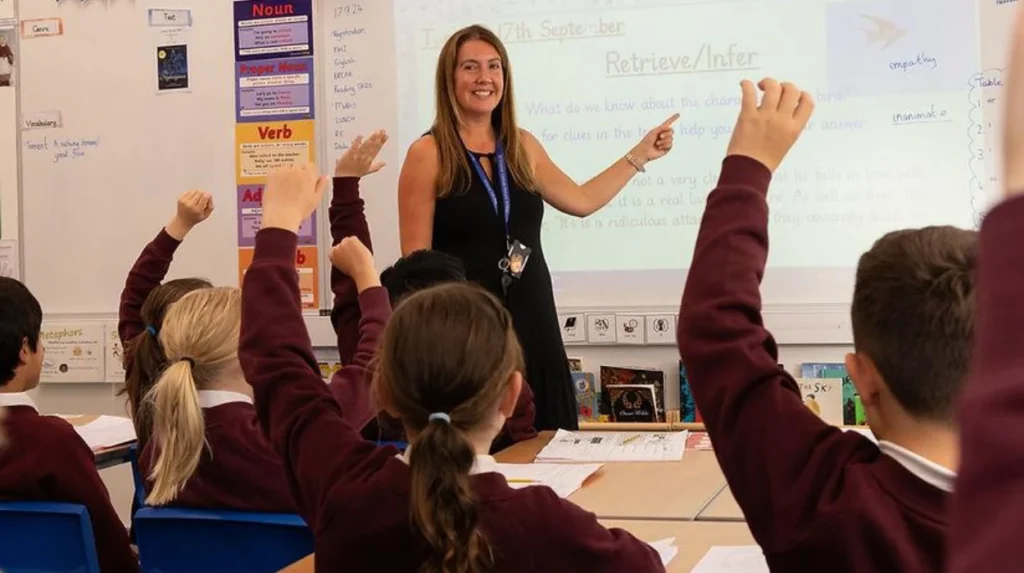
English-medium education in Cardiff means that teaching takes place wholly or mainly in English. Pupils learn core subjects through English while studying Welsh as part of the curriculum. Schools follow the Curriculum for Wales and develop literacy, numeracy, knowledge, creativity, and wider learning skills.
The Welsh Government explains that English-medium education is generally understood through the language used to teach the curriculum. Wales does not have a single statutory definition of English-medium schools in legislation, so parents should check each school’s language category and teaching arrangements.
English-medium education suits families who want English to be the main language of classroom instruction. It also provides opportunities for children to learn Welsh, understand Welsh culture, and develop communication skills in both languages.
Cardiff includes community schools, faith schools, and independent schools. Community schools are generally administered by Cardiff Council, while voluntary-aided schools and independent schools operate under different governance and admissions arrangements.
Parents should distinguish between a school’s teaching language and its religious character. An English-medium Catholic school or Church in Wales school teaches mainly through English while also providing education within its relevant religious ethos.
How is the education system organised for children in Cardiff?
Cardiff’s school system includes early-years provision, primary education, secondary education, and specialist settings. Children normally begin Reception in the September after turning four and transfer to secondary school in the September after turning eleven, subject to individual circumstances.
Cardiff Council reports that the city has 125 schools across nursery, primary, secondary, and special education categories. Parents can use the council’s school directory to identify institutions by location, school type, ward, and language.
Primary education
Primary education establishes the foundations of reading, writing, mathematics, communication, and social development. Reception introduces children to school routines, classroom learning, relationships, and structured activities.
Children normally continue through Year 1 to Year 6. Parents should examine how a school supports early reading, develops mathematical understanding, manages behaviour, and communicates progress to families.
Secondary education
Secondary education begins in Year 7, generally at age eleven. Pupils study a broader range of subjects and gradually prepare for qualifications and further education.
Parents comparing secondary schools should examine subject options, attendance, pastoral care, additional learning support, extracurricular opportunities, and the school’s approach to qualifications. Transition arrangements between primary and secondary schools are also important.
Independent education
Independent schools operate outside the maintained-school system and charge fees. Their admissions procedures, curriculum arrangements, facilities, class structures, and financial requirements differ by institution.
Parents considering independent education should obtain the latest fee schedule, registration requirements, scholarship details, and information about any additional costs. They should also verify the school’s registration status and review available inspection information.
Which English-medium primary schools should parents consider in Cardiff?
Parents should begin by identifying English-medium primary schools near their home and comparing their teaching, admission arrangements, inspection findings, and support services. Cardiff Council’s school directory and catchment-area search provide a practical starting point for building a shortlist.
The council lists English-medium community primary schools across Cardiff’s neighbourhoods. Examples include Albany Primary School, Birchgrove Primary School, Danescourt Primary School, Lakeside Primary School, and Marlborough Primary School. These names are starting points for research, not a ranking or guarantee of admission.
What should parents assess in a primary school?
Parents should evaluate the school’s approach to early literacy and numeracy. Strong early reading instruction, regular assessment, appropriate classroom resources, and timely intervention help children develop essential learning skills.
Classroom organisation also matters. Ask how teachers support children who need additional explanation, how they extend learning for pupils who progress quickly, and how the school communicates concerns to parents.
The school’s physical environment deserves attention. Review classroom condition, outdoor play facilities, accessibility, safeguarding arrangements, and the organisation of arrival and collection times.
How should families compare local primary schools?
A useful comparison starts with the same criteria for every school. Parents should review the latest inspection report, speak to school staff, attend an open day when available, and ask about admission numbers.
The school’s published admission number indicates the number of pupils it normally intends to admit to a particular entry year. For example, a school with an admission number of 60 plans for 60 pupils in that intake, subject to its arrangements and circumstances. An admission number is not evidence that a place remains available.
Parents should also consider the daily journey. A school that appears attractive on paper can create practical difficulties if its travel time conflicts with work, childcare, or family responsibilities.
Which English-medium secondary schools are available in Cardiff?
Cardiff offers English-medium secondary education through community schools and other institutions with their own admissions arrangements. Parents should compare academic provision, pupil wellbeing, subject choices, inspection findings, transport, and transition support before selecting preferred schools.
Cardiff Council’s school directory allows families to search for secondary schools by location and language. Its admissions guidance explains how to apply for community secondary school places and where to find the relevant admission arrangements.
What matters when choosing a secondary school?
Curriculum breadth is a key consideration. Parents should check the subjects available in Key Stage 3 and the options offered as pupils progress towards qualifications.
Ask how the school supports pupils who struggle with particular subjects, prepares learners for examinations, and helps them plan their next steps. Careers guidance, access to vocational learning, and information about sixth-form or college pathways are also relevant.
Pastoral care is equally important. Secondary school introduces greater independence, more teachers, changing classrooms, and wider peer groups. Parents should understand how the school addresses bullying, attendance difficulties, emotional wellbeing, and safeguarding concerns.
How does the move from primary to secondary school work?
Children normally transfer to secondary school in the September after they turn eleven. Cardiff Council provides information for Year 6 families about the secondary application process.
Parents should check application dates well in advance and discuss transition arrangements with their child’s primary school. Induction visits, meetings with secondary staff, and information about school routines help children prepare for the change.
Families moving to Cardiff during the school year should contact the council about in-year admissions. Availability depends on the school, year group, and applicable admission arrangements.

How does the Curriculum for Wales work in English-medium schools?
The Curriculum for Wales provides the national framework for learning in maintained schools, including English-medium schools. It focuses on developing capable, knowledgeable learners through broad areas of learning and supports progression in communication, mathematics, wellbeing, humanities, and science and technology.
The curriculum is organised around four purposes: developing ambitious, capable learners; enterprising, creative contributors; ethical, informed citizens; and healthy, confident individuals. Schools design their own curriculum within the national framework, taking account of learners’ needs and their educational context.
Which subjects and learning areas are included?
The Curriculum for Wales includes six Areas of Learning and Experience:
- Languages, Literacy and Communication, including English and Welsh.
- Mathematics and Numeracy, including calculation, reasoning, and problem-solving.
- Science and Technology, including scientific understanding and technological development.
- Humanities, including history, geography, and related areas of enquiry.
- Health and Well-being, including physical health, relationships, and emotional wellbeing.
- Expressive Arts, including creative work and artistic expression.
Schools organise learning across these areas rather than treating every subject as an isolated set of lessons. For example, a project about Cardiff Bay can connect local history, geographical understanding, reading, writing, data, and environmental questions.
The precise activities and teaching approaches vary by school. Parents should ask how each institution structures learning, assesses progress, and explains the curriculum to families.
How are pupils assessed?
Assessment helps teachers understand what pupils know, what they can do, and what they need to learn next. Teachers use classroom activities, observations, discussions, and written work to monitor progress.
Parents should ask how the school shares assessment information and how it responds when a child falls behind. Reports, parent meetings, and direct communication with teachers help families understand progress over time.
Do children learn Welsh in Cardiff’s English-medium schools?
Yes, Welsh is part of education in English-medium schools in Wales. Pupils develop Welsh language skills alongside their main English-medium learning, with teaching designed to support progression in speaking, listening, reading, and writing according to their age and stage.
The Welsh Government identifies Welsh as a mandatory element of the Curriculum for Wales from ages three to sixteen. English-medium schools therefore provide Welsh language learning even when English is the principal language of classroom instruction.
How much Welsh should parents expect?
The amount and structure of Welsh language teaching vary according to the school’s curriculum and language category. Parents should ask about lesson frequency, opportunities to speak Welsh, classroom resources, and how teachers measure progress.
Children do not need to speak Welsh at home to attend an English-medium school. Families who are new to Wales should ask how the school introduces Welsh vocabulary and supports pupils who have not studied the language previously.
How can parents support Welsh learning at home?
Parents can support learning through simple everyday activities. Reading beginner-level Welsh books, practising greetings, listening to age-appropriate Welsh-language resources, and reviewing school vocabulary help children become familiar with the language.
Parents do not need to be fluent Welsh speakers to encourage learning. The most useful approach is to create regular opportunities for practice and ask teachers which vocabulary or activities suit the child’s current level.
How can parents check school quality and Estyn inspection reports?
Estyn is the education and training inspectorate for Wales, and its reports help parents understand a school’s strengths and areas for improvement. Parents should read the latest report alongside school information, conversations with staff, and evidence of how pupils experience everyday learning.
Estyn evaluates education and training providers and publishes findings intended to inform families and support improvement. Its current inspection approach focuses on teaching and learning, wellbeing and support, and leadership and improvement. The inspectorate no longer uses the former overall summative grading system.
What should parents look for in an inspection report?
Read the report’s findings about teaching, pupils’ progress, leadership, safeguarding, and additional learning support. Look for specific strengths and areas requiring improvement rather than relying on a single phrase or an outdated online rating.
Check the inspection date. A report describes the school’s position at the time of inspection, so parents should also ask what has changed since then.
Where can families find reliable school information?
Cardiff Council’s school directory helps families identify schools and access relevant school details. Estyn’s website provides inspection reports, including shorter summaries written for parents and carers.
School websites also provide practical information about uniform, attendance, term dates, policies, curriculum, and contact arrangements. Parents should confirm important details directly with the school, especially when admission arrangements or staffing have changed.
How do school catchment areas and admissions work in Cardiff?
Cardiff Council coordinates admissions for community schools, using published admission arrangements to determine how places are allocated. Living in a school’s catchment area generally gives a child higher priority under applicable arrangements, but it does not guarantee admission when demand exceeds available places.
Cardiff Council explains that parents can apply for schools outside their catchment area. However, the council recommends considering the catchment school because children living within its designated area receive higher priority than applicants without that priority, subject to the school’s admission policy.
How do parents identify their catchment school?
Use Cardiff Council’s catchment-area search and enter the child’s main home postcode. The council provides information about English-medium community primary and secondary schools, alongside Welsh-medium school catchments.
Catchment boundaries are not the only factor in admission decisions. Published criteria, available places, and any applicable priority categories also matter. Check the arrangements for the exact school and entry year.
When should families apply?
Parents should check the admissions calendar for the relevant academic year rather than relying on dates from an older application cycle. Primary and secondary applications have separate processes, and some schools have different admissions authorities.
For example, Cardiff Council’s guidance for secondary admission explains the process for children transferring to Year 7. Parents should follow the current application instructions and submit all required information before the deadline.
Families who miss a deadline should contact the council about late applications. Those moving into Cardiff during the school year should ask about in-year applications and current vacancies.
What happens if a preferred school refuses admission?
Parents can review the decision and determine whether an appeal is available. Cardiff Council provides an independent school admissions appeals process for refusals at community schools. The appeal panel considers the case under the applicable admissions appeal rules.
An appeal should explain the child’s circumstances and why the family believes admission is appropriate. Parents should read the official guidance carefully and submit supporting information within the stated timeframe.
What support is available for children with additional learning needs?
Cardiff schools have duties to identify and support learners with additional learning needs under the Additional Learning Needs and Education Tribunal (Wales) Act 2018 and the Additional Learning Needs Code for Wales 2021. Support is based on the child’s needs and the additional provision required.
Additional learning needs, commonly abbreviated to ALN, include learning difficulties or disabilities that call for additional learning provision. The system is designed to identify needs and arrange appropriate support, rather than assuming that every child requires the same intervention.
What support should parents ask about?
Ask how the school identifies learning barriers, adapts classroom activities, monitors progress, and involves parents. Support can include visual prompts, additional time, small-group teaching, literacy or numeracy intervention, and wellbeing support. The precise provision depends on the learner’s circumstances.
Each maintained school must have an Additional Learning Needs Co-ordinator, known as an ALNCo. This member of staff helps coordinate provision and supports communication between the school, family, and relevant professionals.
What is an Individual Development Plan?
An Individual Development Plan, or IDP, records a learner’s additional learning needs and the additional learning provision required to support them. Where an IDP is appropriate, it helps clarify what support is needed and how the arrangements are reviewed.
Parents concerned about a child’s progress should first discuss their concerns with the class teacher or ALNCo. Cardiff Council also provides information about identification, assessment, IDPs, disagreement resolution, and access to further support.
How much does English-medium schooling in Cardiff cost?
The cost of English-medium schooling in Cardiff depends on whether the school is maintained or independent and on the family’s travel, childcare, uniform, and activity expenses. Maintained schools do not charge tuition fees for ordinary compulsory education, while independent schools set their own fees.
Parents budgeting for school should distinguish between tuition and the wider costs of attending. Even where education itself is free, families need to plan for clothing, shoes, stationery, meals, transport, trips, and any wraparound childcare.
Which expenses should parents budget for?
Uniform costs vary by school. Some schools require branded items, while others accept generic clothing in specified colours. Ask for the complete uniform list before purchasing items, particularly when a child is changing schools.
School meals, packed lunches, clubs, trips, and sports equipment create additional costs. Ask which activities are included, which require payment, and whether financial assistance is available for eligible families.
Independent schools require a separate financial assessment. Parents should request the full fee schedule and confirm registration charges, deposits, meals, transport, examination charges, and other extras before accepting a place.
What financial support is available?
Cardiff Council provides information about financial support associated with education. Families should check eligibility for school-related assistance and any applicable free school meal arrangements. Eligibility depends on the relevant rules and the family’s circumstances.
Parents should check official council guidance instead of assuming that a benefit, grant, or transport entitlement applies automatically. Application requirements and eligibility rules can change.
How do school transport and location affect the choice?
School location affects travel time, daily routines, transport costs, and eligibility for assistance. Parents should compare the journey from home to school, check available bus routes, and confirm the council’s transport rules before choosing a school outside their catchment area.
Cardiff Council publishes information about school bus routes, passes, eligibility, and transport appeals. Its mainstream transport guidance sets out distance thresholds and conditions for free travel.
Under the published mainstream guidance, primary pupils generally qualify for free school transport when they live more than two miles from their catchment school, while secondary pupils generally qualify when they live more than three miles away. Eligibility also depends on the applicable policy and circumstances, so families should verify their position directly with the council.
Choosing a school outside the catchment area can affect transport entitlement. Parents who select a different school are normally responsible for arranging and paying for travel themselves, subject to the council’s rules and any applicable exceptions.
Before accepting a place, test the journey during school commuting hours. Consider traffic, walking routes, public transport connections, after-school clubs, and arrangements for collecting younger children. A manageable daily journey helps families maintain a consistent routine.
Explore More Area Guide
Welsh-Medium Schools in Cardiff: A Parent Guide
Best Areas to Live in Cardiff for Families: Top Neighbourhoods
What questions should parents ask when visiting an English-medium school?
Parents should ask about teaching quality, pupil wellbeing, curriculum delivery, admissions, and family communication during a school visit. A structured visit helps families compare schools using consistent information and identify whether the learning environment meets their child’s academic, social, and practical needs.
Useful questions include:
- How does the school teach reading, writing, and mathematics?
- How does it monitor progress and support pupils who need extra help?
- How does it teach Welsh to children with different levels of prior experience?
- How does the school manage bullying, safeguarding, and pupil wellbeing?
- What clubs, sports, music, and enrichment activities are available?
- How does the school communicate with parents about progress and concerns?
- What are the admission criteria, and how many places are available in the relevant year group?
- What are the arrangements for meals, uniform, transport, and after-school childcare?
Parents should also ask how the school supports children joining from another part of the UK or from overseas. Clear explanations of classroom routines, curriculum expectations, and Welsh language learning help families prepare for the transition.
A school visit should complement the formal inspection report, not replace it. Compare what staff explain with the school’s published policies and the latest information available from Cardiff Council and Estyn.
How can families choose the right English-medium school in Cardiff?
Families can choose an English-medium school in Cardiff by matching their child’s needs with teaching quality, admission eligibility, location, curriculum, and available support. Reviewing official information and visiting shortlisted schools helps parents make a practical decision based on evidence rather than reputation alone.
Start by identifying schools within a reasonable daily journey. Confirm their language category, admission arrangements, and current availability. Then compare their latest Estyn findings, curriculum information, additional learning support, and communication with parents.
For younger children, prioritise early literacy, numeracy, emotional wellbeing, and a smooth introduction to school. For secondary pupils, consider subject choices, academic progression, pastoral support, and preparation for further education or employment.
Families should also consider Welsh language learning. English-medium education keeps English as the principal language of instruction while providing opportunities to develop Welsh language skills within the Welsh curriculum.
Finally, check every practical detail before submitting an application. Catchment priority, admission deadlines, transport entitlement, school costs, and the availability of places can all influence the final decision.
Cardiff’s education system provides families with several routes to English-medium learning. By using Cardiff Council’s admissions guidance, the official school directory, and Estyn inspection reports, parents can build an informed shortlist and select a school that supports their child’s education and development.
What is an English-medium school in Cardiff?
An English-medium school in Cardiff teaches most or all curriculum subjects through English. Pupils also study Welsh as part of the Curriculum for Wales.