Grangetown is a historic district in south Cardiff, Wales, that developed from agricultural land into a densely populated industrial suburb during the nineteenth century. Its history reflects the expansion of Cardiff Docks, railway construction, working-class housing, migration and cultural diversity.
- How Did Cardiff Docks Influence the Development of Grangetown?
- When Did Grangetown Become an Urban Suburb of Cardiff?
- Why Was Grangetown’s Incorporation into Cardiff Important?
- How Did Immigration Shape the History of Grangetown?
- What Was Life Like in Victorian Grangetown?
- Which Historic Buildings and Places Explain Grangetown’s Past?
- How Did the Twentieth Century Change Grangetown?
- How Has Modern Grangetown Preserved Its Heritage and Community Identity?
- What role does local history play today?
- How does regeneration affect Grangetown’s historical character?
- Why Is the History of Grangetown Important to Cardiff?
Grangetown occupies a distinctive position between the River Taff to the east and the River Ely to the west. Its southern surroundings connect the district to Cardiff Bay and the wider coastal landscape, while railway lines help define parts of its northern boundary. This geography influenced its development as Cardiff expanded towards the coast.
Before industrialisation, much of the area consisted of marshland, farmland and low-lying ground. The district’s name derives from Grange Farm, an agricultural settlement that existed long before the surrounding streets and terraces appeared. Parts of the surviving farm building have been dated to the sixteenth century, although local historical accounts suggest a much older origin for the settlement.
The land belonged at different times to major local estates and agricultural interests. The Margam monastery is associated with the area’s earlier ownership, while the Plymouth Estate later became important to its development. Estate ownership shaped how land was divided, leased and prepared for building.
Grangetown’s transformation accelerated during the middle of the nineteenth century. Cardiff’s growing port created demand for workers, housing, transport and industrial services. Land that previously supported farming increasingly accommodated streets, workshops, businesses and homes.
The district therefore developed as part of Cardiff’s wider industrial expansion rather than as an isolated settlement. Its history connects rural south Glamorgan with the coal-exporting economy that transformed Cardiff into one of the most important ports in the world.
How Did Cardiff Docks Influence the Development of Grangetown?
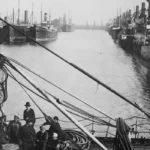
Cardiff Docks transformed the local economy during the nineteenth century by creating demand for labour, transport, housing and services. Grangetown expanded alongside this maritime growth, accommodating workers whose employment supported coal exports, railway operations, construction and the industries surrounding Cardiff’s developing port.
Cardiff’s industrial expansion was closely connected to coal and iron production in South Wales. Coal from the valleys travelled towards the coast, where ships carried it to domestic and international markets. Efficient transport links and dock facilities were essential to this trade.
The Bute West Dock opened in 1839 under the direction of the second Marquess of Bute. Further facilities followed, including the Bute East Dock in 1855, Roath Basin in 1874 and Roath Dock in 1887. These developments increased the port’s capacity and strengthened Cardiff’s position in international commerce.
Grangetown benefited from its proximity to this expanding industrial network. Dock workers, railway employees, brickmakers, builders, ironworkers and tradespeople all contributed to the local economy. Their presence created demand for affordable housing and everyday services.
The expansion also changed the surrounding landscape. Marshy land required drainage and preparation before large-scale construction. Roads, bridges, railway connections and utility infrastructure helped connect developing residential streets to Cardiff’s employment centres.
The dock economy influenced the social structure of Grangetown as well. Many households depended on manual labour and industrial employment, while local shops, public houses and small businesses served residents working different shifts.
Why did industrial employment matter to local housing?
Industrial employment encouraged the construction of compact housing close to workplaces and transport routes. Terraced streets provided homes for labourers, railway workers, skilled tradespeople and their families. The resulting urban pattern remains an important part of Grangetown’s historical identity.
Grangetown was not itself the main dock complex. Instead, it formed part of the residential and industrial hinterland that supported Cardiff’s port. Understanding this distinction explains why its history includes both local neighbourhood development and wider maritime influences.
When Did Grangetown Become an Urban Suburb of Cardiff?
Grangetown’s urban development accelerated from the 1850s onwards, following railway expansion, improved river crossings and the growth of Cardiff’s docks. Building intensified during the 1880s and 1890s, creating the street network and residential character associated with the district today.
The mid-nineteenth century marked a turning point in Grangetown’s development. Improved transport connections made the area more accessible, while Cardiff’s growing economy increased demand for residential land. Agricultural plots gradually gave way to housing and industrial premises.
The construction of bridges across the Taff and Ely during the 1850s helped connect previously less accessible land to surrounding settlements. Penarth Road and associated transport improvements supported the movement of people and goods through the area.
Development was not uniform. Some areas grew earlier than others, and building activity followed the availability of roads, services and suitable plots. Houses appeared alongside workshops, commercial premises, schools and religious buildings.
By the late nineteenth century, Grangetown had become a substantial residential district. Local historical research reports a population of approximately 17,000 by 1901, demonstrating the scale of growth within a few decades.
What do the historic streets reveal about everyday life?
Streets such as Holmesdale Street provide evidence of how the neighbourhood functioned. Historical census records from 1881 identify grocers, butchers, railway clerks, blacksmiths, builders, dock labourers and other workers living within the same street network. Some households also accommodated lodgers and boarders.
This mixture of occupations illustrates the close relationship between employment and housing. Local residents did not all work in the same industry, even though the dock economy influenced the wider area.
The growth of Grangetown also created pressure on public infrastructure. A rapidly increasing population required reliable water supplies, sewerage, street maintenance and public health services. These needs became central to the district’s relationship with Cardiff’s municipal authorities.
Why Was Grangetown’s Incorporation into Cardiff Important?
Grangetown’s incorporation into Cardiff became a major issue during the nineteenth century because its rapidly growing population needed better public services. Cardiff’s borough authorities gained compulsory acquisition powers through legislation in 1875, helping establish a stronger municipal role in the district’s development.
During its early growth, Grangetown did not automatically function as an ordinary extension of Cardiff’s municipal administration. Landowners, particularly the Windsor family, resisted attempts to bring the settlement under Cardiff’s control.
This disagreement affected essential services. Local historical research describes disputes over the supply of water and gas, with the estate resisting reliance on Cardiff’s utility systems. The result was a difficult administrative arrangement for a settlement whose population was growing rapidly.
Public health concerns added urgency to the dispute. Crowded housing and inadequate sanitation created risks in densely populated streets. Historical reporting from the 1870s describes overcrowding and cases of typhoid in parts of Grangetown.
In 1875, legislation gave Cardiff Borough the power to take over the area compulsorily. This marked a significant step towards integrating Grangetown into the city’s municipal system.
How did municipal involvement affect residents?
Municipal administration provided a framework for addressing roads, sanitation, water provision and other urban services. These improvements required investment, regulation and coordination beyond the capacity of individual households.
Grangetown’s experience illustrates a wider challenge in Victorian Britain: industrial suburbs often grew faster than the infrastructure needed to support them. Local government increasingly had to manage housing standards, drainage, public health and expanding populations.
The incorporation of Grangetown also strengthened its connection to Cardiff’s civic identity. The district developed as a recognisable part of the city while retaining a distinctive neighbourhood character rooted in its working-class origins.
How Did Immigration Shape the History of Grangetown?
Migration shaped Grangetown from its earliest period of urban expansion. Workers arrived from Wales, England, Ireland and other places to find employment in Cardiff’s growing economy. Later migration added further cultural, linguistic and religious diversity, making community life central to the district’s identity.
Grangetown’s population grew because Cardiff offered employment in docks, railways, construction, manufacturing and related trades. People moved from rural communities and other industrial towns to secure work and establish households near the expanding port.
Historical census records provide evidence of this movement. The 1881 census for Holmesdale Street, for example, identifies residents born in Somerset, Gloucestershire, Cornwall, London and other parts of Britain. Their occupations included building trades, retail, railway work, metalworking and maritime employment.
Irish migration was particularly significant in parts of nineteenth-century Grangetown. Historical accounts of Thomas Street and neighbouring roads identify Irish-born labourers and their families. These households formed part of the area’s developing working-class population.
Migration also influenced the district’s social institutions. Religious congregations, local shops, schools, community networks and public houses provided places for residents to establish relationships and maintain cultural traditions.
How did Grangetown become culturally diverse?
Grangetown’s diversity developed over generations rather than through one migration event. Cardiff’s wider maritime connections brought people from many parts of the world, while changing employment patterns and later migration continued to reshape neighbourhoods across the city.
The port district of Butetown became especially associated with international maritime communities. Grangetown developed its own distinctive population through industrial employment, residential expansion and successive waves of migration. The two neighbouring areas share connections to Cardiff’s economic history but have different local histories.
By the twentieth and twenty-first centuries, Grangetown had become home to residents with varied ethnic, religious and linguistic backgrounds. Community institutions and local services increasingly reflected this diversity.
A Church in Wales parish profile recorded a population of 19,385 in Grangetown at the 2011 Census. It also documented substantial religious and ethnic diversity, alongside increasing interest in Welsh-medium education. These figures describe the population at that historical point, rather than a current population estimate.
This history matters because migration was not separate from Grangetown’s development. It helped shape the workforce, family networks, commercial activity and cultural institutions that continue to define the area.
What Was Life Like in Victorian Grangetown?
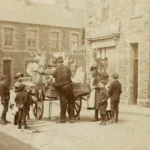
Victorian Grangetown was a densely developing working-class suburb shaped by industrial employment, terraced housing and small local businesses. Residents included dock labourers, railway workers, builders, shopkeepers and skilled tradespeople, while rapid population growth placed considerable pressure on sanitation and housing conditions.
The expansion of Grangetown during the nineteenth century created a recognisable urban neighbourhood. Rows of houses accommodated families close to the workplaces, transport links and commercial streets that supported everyday life.
Terraced housing was particularly important. These properties made efficient use of urban land and provided accommodation for workers whose earnings depended on Cardiff’s industrial economy. Some streets included shops or public houses alongside residential properties.
Holmesdale Street illustrates this mixed pattern. Historical records identify food retailers, a hotel, skilled tradespeople, railway employees and dock workers in the neighbourhood. Such records reveal that local streets functioned as both residential areas and small commercial centres. grangetowncardiff.co.uk+1
Why were overcrowding and sanitation serious problems?
Rapid population growth frequently outpaced the provision of adequate housing and sanitation. Multiple families or lodgers sometimes shared small properties, increasing pressure on water supplies, drainage and domestic facilities.
Reports from the 1870s describe severe overcrowding in parts of Grangetown. One account cited in local historical research records 18 people living in a three-bedroom property considered suitable for six. Such evidence demonstrates the difficult conditions faced by some residents, although it does not describe every household in the district. grangetowncardiff.co.uk+1
Poor sanitation increased the risk of infectious disease. The resulting public health concerns contributed to pressure for municipal intervention and better infrastructure.
Employment was another defining feature of Victorian life. Work in docks, foundries, railways and construction connected household incomes to Cardiff’s wider industrial fortunes. Retailers and tradespeople depended on the spending of local workers, creating an interconnected neighbourhood economy.
Despite these challenges, Grangetown developed durable community institutions. Churches, schools, shops and local meeting places helped organise daily life and establish neighbourhood identities that survived the decline of heavy industry.
Which Historic Buildings and Places Explain Grangetown’s Past?
Grangetown’s history remains visible through surviving buildings, historic streets, railway infrastructure, green spaces and community landmarks. Grange Farm, Grange Gardens, St Paul’s Parish Church and Grangetown railway station provide different evidence of the district’s agricultural origins, urban expansion and changing public life.
Grange Farm
Grange Farm is the historic settlement associated with Grangetown’s name. Parts of the surviving building date to the sixteenth century, preserving a connection to the agricultural landscape that existed before the district’s Victorian expansion. Its listed-building status makes it an important heritage feature.
Grange Gardens
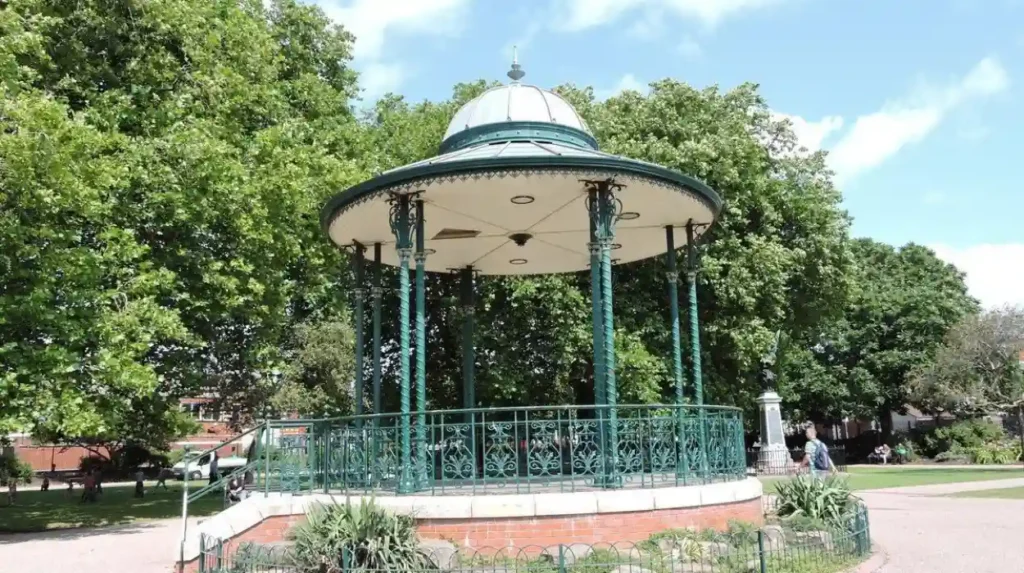
Grange Gardens provides a public green space within the historic residential district. Its presence reflects the development of neighbourhood amenities as Grangetown became a densely populated urban community. The registered historic park and garden is recognised in heritage records.
St Paul’s Parish Church
St Paul’s represents the religious and community institutions established as the district expanded. Heritage records identify the church as a listed building near Grangetown railway station. Churches historically provided worship, community gatherings and important social connections for local residents.
Grangetown Railway Station
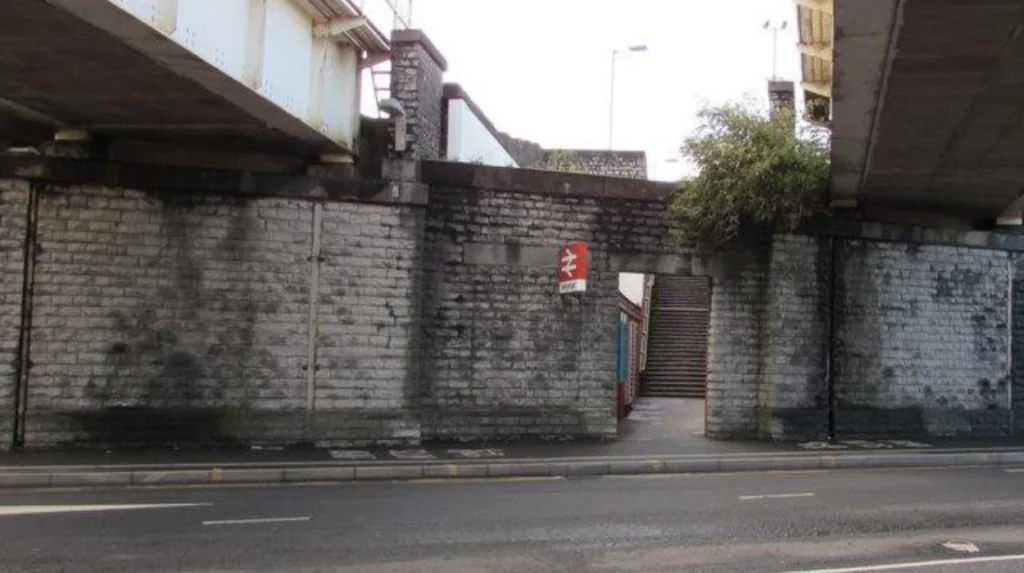
Grangetown railway station first opened to passengers in 1882 on the former Taff Vale Railway. The station was rebuilt in 1904 to accommodate increasing traffic associated with the area’s growing population. It demonstrates the importance of rail transport to Grangetown’s industrial and residential development.
What do these landmarks reveal about urban change?
Together, these sites show how the district evolved from farmland into a connected urban suburb. Grange Farm represents the earlier rural landscape, while the gardens, church and railway station reflect the needs of a growing population.
The historic street network provides another layer of evidence. Surviving Victorian terraces and older commercial buildings help explain how workers lived, travelled and accessed everyday services. Their significance lies in the wider relationship between buildings and the industrial community that developed around them.
For visitors and residents researching local history, these places offer a practical starting point for understanding Grangetown’s architectural and social heritage.
How Did the Twentieth Century Change Grangetown?
Twentieth-century Grangetown experienced changes in transport, employment, housing and community life as Cardiff’s industrial economy evolved. The district retained its residential identity while the importance of coal exports declined, manufacturing changed and new patterns of migration, investment and urban development reshaped the neighbourhood.
At the beginning of the twentieth century, Grangetown was already an established urban district. Its population had expanded substantially during the previous decades, and its residential streets supported workers connected to Cardiff’s docks, railways, factories and service industries.
The railway continued to play an important role. Grangetown station was rebuilt in 1904, reflecting the demand created by population growth and urbanisation. The station formed part of the wider railway network that connected Cardiff’s residential districts with employment centres and surrounding communities.
The district’s built environment also changed as residents’ needs evolved. Schools, religious buildings, commercial premises and public spaces supported successive generations. Older housing remained an important feature of the neighbourhood, even as the wider city developed new transport routes and industrial facilities.
How did the decline of the dock economy affect the district?
Cardiff’s port economy changed significantly as international coal markets shifted and industrial employment declined. The docks no longer occupied the same central position in the city’s economy that they had held during the nineteenth-century coal boom.
These changes affected the wider communities that had relied on port-related employment. Workers increasingly faced an economy shaped by different industries and service-sector activities. The effects varied across households, occupations and periods, rather than following one uniform pattern.
Grangetown’s residential role helped it remain part of Cardiff’s urban fabric through these changes. Its location near the city centre, railway connections and surrounding districts continued to support everyday movement and access to employment.
The twentieth century therefore represents a period of economic transition rather than the end of Grangetown’s history. The district retained the physical evidence of its industrial past while adapting to a different urban economy.
Explore More Area Guide
The History of Butetown Cardiff: Docks and Heritage
Cardiff Before It Became the Capital of Wales
How Has Modern Grangetown Preserved Its Heritage and Community Identity?
Modern Grangetown combines historic housing, community organisations, public spaces and cultural diversity. Its heritage survives through buildings, street patterns and local historical research, while contemporary regeneration and investment continue to influence housing, transport, education and the experience of living in this Cardiff neighbourhood.
Grangetown’s identity reflects both continuity and change. Victorian streets remain visible alongside newer housing and developments associated with Cardiff’s wider growth. The district continues to serve as a residential community connected to employment, education, retail and recreation across the city.
The neighbourhood’s cultural diversity remains a defining characteristic. Successive generations of residents have contributed to its community institutions, businesses, religious life and educational landscape. Welsh-language education and community participation also feature in local discussions about the area’s future.
What role does local history play today?
Local history groups and heritage organisations help preserve information that is not always visible in buildings alone. Census records, historic maps, photographs, planning documents and newspaper reports reveal how residents lived and how the district changed.
The Grangetown Local History Society has documented the development of local streets, housing, businesses and population movements. The UK Parliament’s historical case study of Cardiff Docks also demonstrates how community research can connect local experiences with wider industrial and political history.
Historic buildings and public spaces also provide tangible connections to earlier periods. Recording their condition, researching their origins and understanding their role in the neighbourhood help maintain an accurate account of Grangetown’s development.
How does regeneration affect Grangetown’s historical character?
Regeneration introduces new housing, investment and changes to the built environment. These developments create opportunities to improve properties and public spaces, but they also raise questions about affordability, conservation and the continuity of established communities.
Grangetown’s historic terraces, older public buildings and street layout form part of its local character. Recognising their historical value supports more informed decisions about development and conservation.
The district’s future therefore depends partly on how new investment responds to its existing identity. Heritage preservation is not limited to protecting individual buildings. It also involves understanding the relationship between housing, streets, community facilities and the people who use them.
Why Is the History of Grangetown Important to Cardiff?
Grangetown’s history explains how Cardiff expanded beyond its earlier urban core through industrial employment, transport infrastructure and residential growth. Its agricultural origins, Victorian housing, migrant communities and surviving landmarks reveal the economic and social processes that shaped modern Cardiff and continue to influence the district.
Grangetown provides a clear example of the relationship between industrial development and urban growth. The expansion of Cardiff Docks created employment and encouraged investment in transport, housing and public infrastructure. Grangetown developed alongside these changes, becoming a residential district for workers and their families.
Its history also demonstrates the importance of local government. Disputes over municipal control and public services during the nineteenth century reveal how rapidly growing communities needed better sanitation, water provision and urban management.
Migration forms another essential part of the story. Residents arriving from across Wales, England, Ireland and other parts of the world contributed to the district’s workforce and community life. These movements connected Grangetown to wider patterns of economic change and population mobility.
The surviving built environment provides evidence of these developments. Grange Farm recalls the area’s agricultural past, while the railway station, historic streets and community buildings reflect its transformation into an urban neighbourhood.
For Cardiff, Grangetown is more than a residential district south of the city centre. It is an important part of the city’s industrial, architectural and social history. Understanding its past helps explain the development of modern Cardiff and the continuing importance of preserving local heritage.
What is Grangetown in Cardiff famous for?
Grangetown is known for its Victorian terraced housing, industrial heritage, historic Grange Farm, railway connections and culturally diverse community. Its development is closely linked to the growth of Cardiff Docks during the nineteenth century.