Cardiff is at a crossroads for Welsh medium secondary education. With demand for Welsh‑language schooling outpacing available places, Cardiff Council is running a consultation that could reshape where students go, how they are taught, and what sixth‑form options exist in the coming years. For parents, carers, and community members in the capital, this is not just a technical planning exercise—it is a chance to influence how Welsh is taught, accessed, and valued in secondary schools.
- Understanding the Welsh Medium Secondary Consultation
- Why This Consultation Matters Now
- How the Consultation Affects Your Child’s School Journey
- Sixth‑Form Options and the Quality of Welsh‑Medium Education
- Catchment Areas and Fair Access Across Cardiff
- How the Consultation Is Structured and Where to Find It
- How Residents Can Make a Real Difference
- The Bigger Picture for Cardiff and Wales
- Practical Guidance for Families Getting Involved
- What Happens After the Consultation Ends
- Final Thoughts for Cardiff Families
This article explains what the current Welsh medium secondary consultation in Cardiff is about, why it matters, and how residents can get involved in a way that genuinely shapes the future of education in their city.
Understanding the Welsh Medium Secondary Consultation
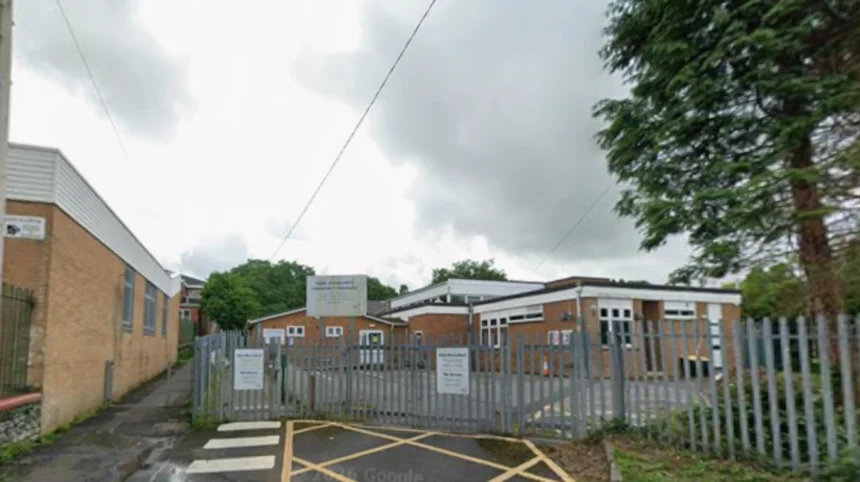
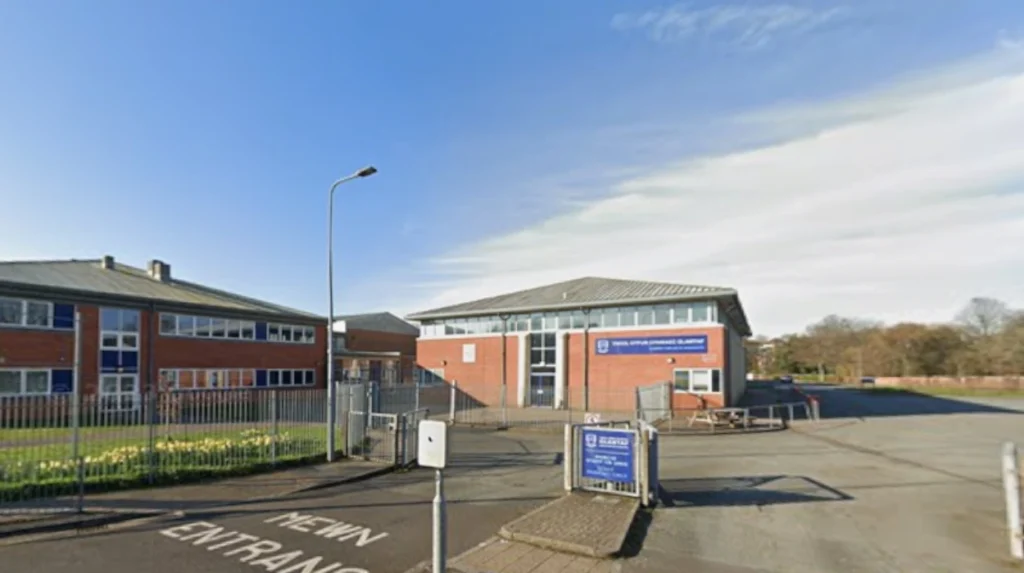
The Welsh medium secondary school consultation focuses on long‑term planning for Cardiff’s existing Welsh‑medium secondary provision, including Ysgol Gymraeg Glantaf and Ysgol Gyfun Gymraeg Bro Morgannwg. The council is examining how to balance rising demand, staffing constraints, and physical site limitations while staying within budget. At its core, the exercise deals with how many pupils can be accommodated in Welsh medium at secondary level over the next decade, how catchment areas and admissions policies might need to change, and how sixth‑form provision should be structured to support learners who continue their education through the medium of Welsh.
Why This Consultation Matters Now
The timing of the consultation is driven by clear and growing pressure on Welsh‑medium education. Welsh Government has set a target for 25–29 per cent of Year 1 pupils in Cardiff to be educated through the medium of Welsh by 2031–2032, up from around 17–18 per cent in recent years. This means more children are entering the school system through Welsh‑medium primaries, and that demand will soon reach secondary level. Cardiff’s Education Department has warned that, without careful planning, there may not be enough Welsh‑medium secondary places for every child who completes a Welsh‑medium primary pathway.
In response, parents, particularly in south Cardiff, have long been calling for a new Welsh‑medium secondary to reduce overcrowding and long journeys. The current consultation is the council’s main way of testing different options and gathering views before making firm decisions that will affect families for years to come.
How the Consultation Affects Your Child’s School Journey
For families already in or considering Welsh‑medium education, the consultation could influence several key stages of the school journey. One immediate concern is Year 7 intake, with the council exploring ways to temporarily increase places for the unusually large cohort expected in 2027. This could mean modest adjustments to catchment boundaries, changes to how oversubscription criteria are applied, or even short‑term arrangements that involve nearby schools or sites.
Further ahead, the consultation is also shaping decisions about sixth‑form provision. Several options are on the table, including scaling back sixth‑form capacity at existing Welsh‑medium secondaries or creating a more centralised Welsh‑medium sixth‑form model elsewhere in the city. These choices directly affect whether students can continue their studies through the medium of Welsh without having to switch to English‑medium routes or travel long distances.
Sixth‑Form Options and the Quality of Welsh‑Medium Education
Sixth‑form provision is not just about exam results; it is about continuity in language, culture, and learner identity. Students who have studied through the medium of Welsh from primary often rely on Welsh‑medium A‑levels and vocational courses to keep their skills sharp and to avoid disruption in the final stages of school. If the council moves towards a centralised Welsh‑medium sixth‑form model, the trade‑off is greater efficiency in staffing and resources, but it also raises questions about travel times, school‑specific ethos, and pastoral support.
On the other hand, preserving sixth‑form capacity across multiple Welsh‑medium secondaries may be harder to fund and sustain, especially when staff shortages and site constraints are taken into account. The consultation is a crucial forum for weighing these trade‑offs with the community, rather than leaving them to be decided behind closed doors. Resident feedback can help decision‑makers understand how different models would affect learners’ day‑to‑day experiences and long‑term outcomes.
Catchment Areas and Fair Access Across Cardiff
Another central theme of the consultation is how catchment areas are defined. A catchment area is the geographical zone that a school is expected to serve first, generally giving priority to pupils living closest to the school. As more Cardiff families choose Welsh‑medium education, the existing boundaries can become overcrowded in some areas, while other parts of the city may feel underserved. The council is therefore testing whether the current system feels fair and whether catchment areas should be redrawn or adjusted to match changing demand more closely.
In recent years, the council has already run consultations on Welsh‑medium primary and secondary catchment areas as part of its 21st Century Schools programme, looking at boundary shifts, new feeder routes, and changes to oversubscription criteria. The current engagement mirrors that approach, inviting residents to share views on whether the current pattern of access feels balanced and whether growth in Welsh‑medium provision should be concentrated in certain areas or spread more evenly across the city.
How the Consultation Is Structured and Where to Find It
Cardiff Council typically runs Welsh‑medium education consultations in two stages: an early engagement phase, where draft ideas are shared and informal feedback gathered, and a formal statutory consultation if major changes are proposed. The city’s website hosts consultation documents for “Welsh‑medium secondary education,” including background information, proposed options, and a detailed response form. These documents outline the options being considered, the reasons behind them, and how they would affect pupils, schools, and communities.
Residents can usually respond online via the council’s consultation portal, by email, or by post, and may also be invited to local engagement events or drop‑in sessions. These events are designed to give people a chance to speak directly with officers, ask questions about catchment changes, sixth‑form models, and transport implications, and to hear how their feedback might shape the final proposals.
How Residents Can Make a Real Difference
Many people view consultations as box‑ticking exercises, but they can make a real difference when responses are clear, specific, and grounded in lived experience. For Cardiff residents, the most useful feedback often includes personal stories about what Welsh‑medium education means for their child or family, along with practical concerns about travel, school size, and the impact of any changes to sixth‑form provision. Explaining how a longer commute would affect a working‑family’s schedule, or how closing a Welsh‑medium sixth‑form at a particular school would force a student to switch to English‑medium A‑levels, can help make the human impact of policy choices clear.
Residents can also suggest realistic alternatives rather than simply opposing a proposal. If someone disagrees with a centralised sixth‑form model, they might propose strengthening existing sixth‑forms with targeted investment, shared‑resource arrangements, or phased expansion tied to available staff and space. The council can then use these ideas to refine the options before final decisions go to cabinet and scrutiny committees.
The Bigger Picture for Cardiff and Wales
The Cardiff consultation sits within a wider national push to increase the number of Welsh speakers and learners by 2050. The Welsh Government’s language‑policy framework calls for a significant rise in the share of pupils educated through the medium of Welsh, while also supporting families who may not have Welsh as a first language but want their children to learn it. Cardiff’s bilingual‑language strategy explicitly aims to raise the percentage of learners taught through Welsh, while recognising the city’s size, diversity, and uneven demand across different areas.
How the secondary consultation is handled will therefore influence both the city’s educational landscape and its contribution to national language goals. Decisions about new or expanded Welsh‑medium schools, catchment boundaries, and sixth‑form provision will shape whether families feel they can realistically continue their Welsh‑language education journey from primary right through to post‑16 learning.
Practical Guidance for Families Getting Involved
For families who want to participate meaningfully, a few practical steps can strengthen their contribution. First, it helps to read the consultation document or summary on the Cardiff Council website, ideally alongside any briefings from local school governors or parent groups. This gives a clearer picture of the options being considered and avoids misunderstandings about what is being proposed.
Second, talking to other families in the same school community—especially those living in different parts of the city—can surface a wider range of experiences. Parents from the south, north, east, and west of Cardiff may have very different perspectives on travel, catchment pressures, and language background, and combining these viewpoints can make feedback more powerful. Finally, submitting feedback before the deadline, even if it is relatively short, is important. The council often highlights that the majority of responses have supported the expansion of Welsh‑medium education overall, but detailed, place‑specific comments help shape exactly how that expansion will look in practice.
What Happens After the Consultation Ends
Once the consultation period closes, Cardiff Council typically reviews all responses, summarises the main themes, and revises its proposals where possible. The revised plans are then put before the cabinet and education scrutiny committees, which may ask for further analysis around funding, staffing, staffing shortages, and transport implications. If the proposed changes are significant—such as large‑scale catchment shifts or the removal or creation of sixth‑form provision—there may be a follow‑up statutory consultation before final decisions are sealed.
Residents who have engaged early are more likely to see their concerns reflected in the final wording, even if not every suggestion can be implemented. The consultation process is therefore a window into how Cardiff’s Welsh‑medium secondary education system may evolve, and why it is worth paying attention to even if the outcome is not immediate.
Final Thoughts for Cardiff Families
The Welsh medium secondary school consultation in Cardiff is more than a planning document. It is a snapshot of how a growing city is trying to balance language aspiration, educational quality, and practical realities. For families, the key takeaway is straightforward: getting involved now, with clear and thoughtful feedback, is one of the most effective ways to help shape the future of Welsh‑medium education in the capital.
Whether you are a parent sending a child to a Welsh‑medium primary, a carer in south Cardiff who has struggled to find local secondary options, or simply a resident who values the city’s bilingual identity, your voice in this consultation can help determine whether Welsh‑medium education grows stronger, fairer, and more accessible across Cardiff in the years ahead.