

The youth services gap in Ely refers to the measurable disparity between available community resources and the actual developmental needs of local children. It encompasses deficits in educational support, mental health accessibility, specialized recreational programming, and vocational training opportunities for residents.
- How does the youth services gap affect academic performance?
- Why is mental health support lacking for Ely youth?
- What role does geography play in service accessibility?
- How do recreational deficits impact physical health?
- What are the economic consequences of falling behind?
- Which policy changes can bridge the youth services gap?
- How does social isolation influence youth development in Ely?
The youth services gap functions as a systemic barrier to equitable development. In Ely, this manifests as a shortage of after-school programs, limited specialized tutoring, and a lack of professional counseling services. These deficiencies create a environment where developmental milestones are missed. When community infrastructure fails to provide structured environments for growth, the risk of academic underperformance and social isolation increases. Statistics show that rural and semi-rural areas often suffer from lower per-capita funding for youth initiatives compared to urban centers. This funding disparity directly impacts the quality and quantity of available mentors.
Historical data suggests that Ely has faced consistent challenges in maintaining youth-focused infrastructure over the last two decades. Changes in local government budgets and the closure of community centers have contributed to this decline. The definition of the gap includes both physical locations, such as parks or libraries, and social services, such as crisis intervention. Bridging this gap requires a multifaceted approach involving public policy and private investment. Without intervention, the gap widens as the population grows and needs become more complex. Understanding this definition is the first step toward implementing structural changes that support long-term youth success and community stability.
How does the youth services gap affect academic performance?
The gap affects academic performance by limiting access to supplemental learning resources and early childhood education. Students in areas with service deficits often record lower literacy rates and standardized test scores due to a lack of professional academic intervention and enrichment.
Academic performance in Ely is directly correlated with the availability of out-of-school learning opportunities. When students do not have access to libraries with modern technology or specialized STEM programs, their competitive edge diminishes. Research indicates that the summer slide, where students lose academic progress during breaks, is more pronounced in communities with few youth services. Teachers in these regions report higher rates of classroom disruption and lower engagement levels among students. These factors lead to a higher dropout rate and lower enrollment in higher education institutions. Academic success requires a holistic ecosystem that supports learning beyond the traditional school day.
The mechanisms of academic decline involve reduced cognitive stimulation and a lack of individualized attention. Many families in Ely cannot afford private tutoring to compensate for the lack of public programs. This economic barrier reinforces the cycle of underachievement across generations. Furthermore, the absence of high-quality preschool options means many children enter kindergarten without basic foundational skills. Early intervention is critical for developing the neural pathways associated with language and logic. Without these services, children start their education at a disadvantage that persists throughout their high school years. Data from educational assessments highlights a significant achievement gap between Ely and better-funded districts.
Why is mental health support lacking for Ely youth?
Mental health support is lacking due to a shortage of licensed pediatric psychologists and a lack of integrated school-based counseling programs. Geographic isolation and limited healthcare funding prevent the establishment of permanent clinics equipped to handle youth-specific psychological needs.
The absence of mental health services in Ely creates a significant risk for adolescent development. Many families must travel over 50 miles to access specialized care for conditions like anxiety, depression, or ADHD. This logistical burden often results in delayed diagnoses and untreated behavioral issues. School counselors are frequently overwhelmed with high student-to-provider ratios, which limits their ability to offer intensive support. Without early intervention, minor mental health challenges can escalate into chronic conditions that impact adult productivity. The lack of crisis intervention services also puts a strain on local law enforcement and emergency medical systems.
The psychological infrastructure in rural areas like Ely often relies on state-level grants that are inconsistent. When funding fluctuates, programs are cut, leaving vulnerable children without a safety net. Telehealth has provided some relief, but it cannot replace the efficacy of in-person, consistent therapeutic relationships. Social stigma surrounding mental health in smaller communities also prevents some families from seeking the few services that do exist. Education campaigns are necessary to normalize mental health care and encourage early screening. The impact of this service gap is seen in higher rates of substance abuse and juvenile delinquency. Providing comprehensive mental health care is essential for fostering emotional resilience in the next generation.
What role does geography play in service accessibility?

Geography dictates the physical proximity of youth to essential services and determines the cost of service delivery. In Ely, the rural landscape creates transportation barriers that prevent children from attending specialized workshops, sports leagues, and extracurricular educational activities.
Geographic isolation is a primary driver of the youth services gap in Ely. Low population density makes it difficult for private providers to justify the cost of opening new facilities. Public transit options are often non-existent, meaning youth are entirely dependent on parents for transportation. This dependency limits participation for children whose parents work multiple jobs or lack reliable vehicles. The physical distance between residential areas and community hubs results in decreased social interaction among peers. Isolation can lead to a lack of exposure to diverse career paths and cultural experiences. Consequently, the world of an Ely student remains geographically and socially constrained.
The spatial distribution of resources often favors more affluent or central neighborhoods, leaving the outskirts underserved. This spatial inequality is a common feature of regional planning that fails to prioritize rural outreach. Infrastructure like high-speed internet is also geographically dependent, affecting the ability to access digital youth services. When broadband is unreliable, children cannot participate in online learning or virtual social clubs. This digital divide exacerbates the physical distance, further isolating the youth population. Strategic planning must include mobile service units or satellite centers to overcome these geographic hurdles. Effective service delivery requires reaching the youth where they live rather than expecting them to travel.
How do recreational deficits impact physical health?
Recreational deficits impact physical health by reducing opportunities for structured exercise and team sports. Without accessible parks, gyms, and supervised athletic programs, youth in Ely face higher risks of obesity, sedentary behavior, and related chronic health conditions.
The lack of recreational infrastructure in Ely directly influences the physical well-being of its young residents. Structured sports provide more than just exercise; they teach coordination, discipline, and teamwork. When these programs are absent or overpriced, children spend more time in sedentary activities like gaming or television. Public health data shows a direct link between the number of available green spaces and the body mass index of the local youth. In Ely, the shortage of maintained playing fields and indoor courts means that physical activity is seasonal and inconsistent. This lack of movement contributes to long-term health issues that can persist into adulthood.
Furthermore, supervised recreation provides a safe environment that reduces the likelihood of risky behaviors. In the absence of sports leagues, youth are more likely to engage in unsupervised activities that may lead to injury. Recreational programs also serve as a platform for health education, covering topics like nutrition and hygiene. Without these touchpoints, the community loses an opportunity to instill healthy habits early in life. The economic cost of poor physical health includes increased healthcare spending and lost productivity. Investing in parks and recreation is a preventative healthcare strategy that pays dividends for the entire community. Physical vitality is a cornerstone of successful adolescent development and overall life satisfaction.
What are the economic consequences of falling behind?
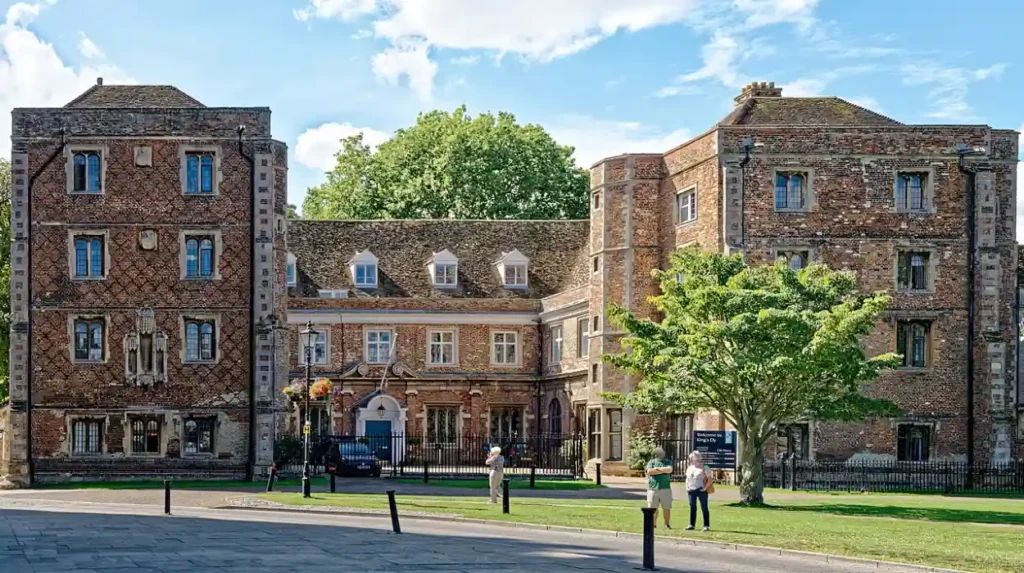
The economic consequences include a less competitive local workforce and lower lifetime earning potential for residents. When youth fall behind academically and socially, they are less likely to secure high-paying jobs, which reduces the overall tax base of Ely.
Economic stagnation in Ely is a direct result of the youth services gap. A workforce that lacks modern technical skills or higher education degrees cannot attract high-growth industries. This leads to a brain drain, where the most talented youth leave the area to seek opportunities elsewhere. Those who remain may be stuck in low-wage, entry-level positions with little room for advancement. The cycle of poverty is reinforced when the local economy cannot provide a path to financial stability. Businesses are hesitant to invest in regions where the labor pool is underprepared for the demands of the 21st-century economy. This creates a feedback loop of disinvestment and declining service quality.
The long-term impact on the gross domestic product of the region is substantial. Every student who fails to graduate high school or obtain a vocational certification represents a loss of potential revenue. Increased social spending on welfare and unemployment benefits also drains the public treasury. Conversely, communities that invest heavily in youth services see a high return on investment through increased innovation and entrepreneurship. Ely’s economic future depends on its ability to cultivate the talents of its youngest citizens. Vocational training and internship programs are essential for bridging the gap between school and the professional world. Economic resilience starts with a well-supported and educated youth population.
Which policy changes can bridge the youth services gap?
Policy changes include increasing state-level funding for rural education, implementing tax incentives for youth-focused businesses, and mandating integrated social services in schools. These actions create a sustainable framework for resource allocation and ensure that every child has access to support.
Effective policy must address the root causes of the service gap by redistributing resources more equitably. One specific policy is the establishment of a dedicated youth services fund managed by a local board. This board would oversee the development of community centers and the hiring of specialized staff. Zoning laws can also be updated to require developers to include recreational spaces in new residential projects. Inter-agency cooperation between the health department and school districts can streamline the delivery of mental health services. Policies that support teacher retention in rural areas are also vital for maintaining academic standards. Without legislative action, the gap will continue to be addressed by fragmented, short-term solutions.
Public-private partnerships offer another policy avenue for expanding service capacity. By partnering with local businesses, the city of Ely can create mentorship programs and summer job initiatives. These programs provide youth with practical experience and professional networks. Government grants should prioritize projects that demonstrate a measurable impact on youth development metrics. Transparent reporting on how funds are used ensures accountability and encourages continued public support. Leadership at the municipal and state levels must prioritize youth as a central pillar of community development. Policy is the primary tool for transforming a neglected service landscape into a thriving ecosystem. Consistent and well-funded policies are the only way to ensure long-term success.
How does social isolation influence youth development in Ely?
Social isolation influences development by hindering the acquisition of essential interpersonal skills and emotional intelligence. In Ely, limited social venues lead to a lack of diverse peer interactions, which can result in social anxiety and decreased civic engagement.
Socialization is a critical component of the developmental process during the teenage years. When youth are isolated due to a lack of community events or clubs, they miss opportunities to practice conflict resolution and leadership. These soft skills are highly valued in the modern workplace and are necessary for healthy adult relationships. Isolation also limits exposure to different perspectives and cultures, leading to a more insular worldview. In Ely, the lack of a central youth hub means that social groups are often fragmented and exclusive. This can lead to feelings of loneliness and a lack of belonging among those who do not fit into existing cliques. Emotional health is deeply tied to the quality of one’s social network.
The long-term effects of social isolation include a decreased likelihood of participating in community service or local politics. Youth who do not feel connected to their community are less likely to invest in its future as adults. This erosion of social capital weakens the fabric of the community and makes it harder to organize collective action. Programs that encourage group activities, such as scouting, 4-H, or youth councils, are effective at combating isolation.
These organizations provide a structured environment for building social bonds and developing a sense of identity. Overcoming isolation requires intentional efforts to create inclusive and accessible social spaces. A socially connected youth population is the foundation of a vibrant and resilient community.
What are the problems faced by the youth?
Youth often struggle with limited access to mental health resources, a lack of local job opportunities, and insufficient recreational spaces. These gaps lead to social isolation, academic underperformance, and a disconnected feeling from the local community’s future growth and success.
How can the organization get more youth involved to improve and support their community?
Organizations can boost engagement by offering leadership roles, creating mentorship programs, and utilizing social media for outreach. Providing stipends or school credit for volunteer work makes participation more accessible and demonstrates that the community truly values their time and input.
How can youth contribute to the community?
Youth contribute by leading local environmental cleanups, tutoring younger peers, and participating in civic forums. Their fresh perspectives help modernize community projects, while their energy drives grassroots movements that address contemporary social issues and encourage intergenerational collaboration and understanding.
How can kids contribute to the community?
Even young children can help by participating in neighborhood beautification, donating outgrown toys to shelters, and practicing kindness. Small actions, like writing letters to seniors or joining school-led recycling drives, instill a sense of civic duty and community pride early.
What are the 10 responsibilities of a child in the community?
Children should respect neighbors, keep public spaces clean, and follow local safety rules. They also have a responsibility to attend school, help those in need, protect nature, respect diversity, participate in events, report dangers, and represent their community with integrity.