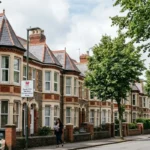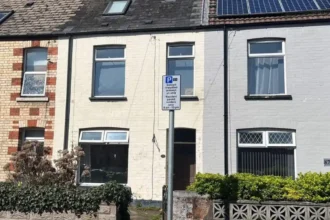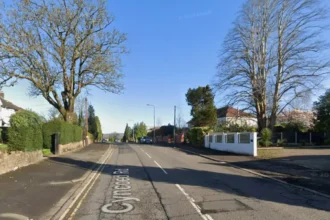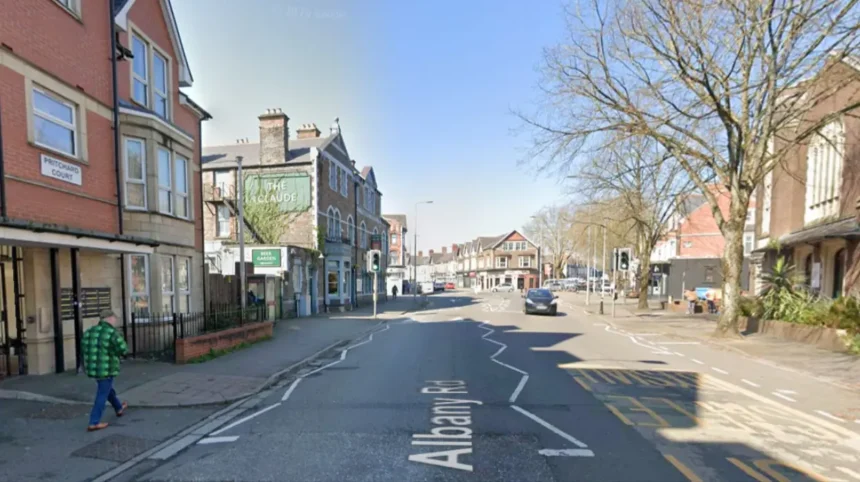
Albany Road is a major east–west arterial street in Cardiff, Wales, running from the city centre at Newport Road to the junction with Mackintosh Place; it sits predominantly within the Roath ward but its western end borders Cathays.Albany Road connects Cardiff city centre to residential and commercial districts. The road extends roughly 1.3 kilometres (0.8 miles). Local government mapping places most addresses on Albany Road inside the electoral ward of Roath (Cardiff East), while the western section near City Road and Cathedral Road lies adjacent to Cathays (Cardiff Central). The street contains retail units, cafes, banks, offices, and residential terraces. Address numbering and postal sublocalities use Cardiff postcodes CF24 and CF10 depending on exact location.
- How do Cardiff’s ward boundaries define Roath and Cathays?
- Which addresses on Albany Road are officially in Roath?
- Which addresses on Albany Road are officially in Cathays?
- How do postal codes and delivery areas affect whether Albany Road is in Roath or Cathays?
- How do historical boundaries explain the Roath–Cathays distinction on Albany Road?
- How do local government services and representation differ for Albany Road residents in Roath versus Cathays?
- How can a resident or business verify whether their Albany Road property is in Roath or Cathays?
- What are the planning and property implications for being in Roath versus Cathays?
- Are there statistical differences (population, housing, demographics) between Roath and Cathays that affect Albany Road?
- How do transport links and public amenities on Albany Road connect to Roath and Cathays?
- What are real-world examples of boundary disputes or confusions involving Albany Road?
- What future changes could affect whether Albany Road properties are in Roath or Cathays?
- Where to find authoritative sources and references for Albany Road ward status?
How do Cardiff’s ward boundaries define Roath and Cathays?
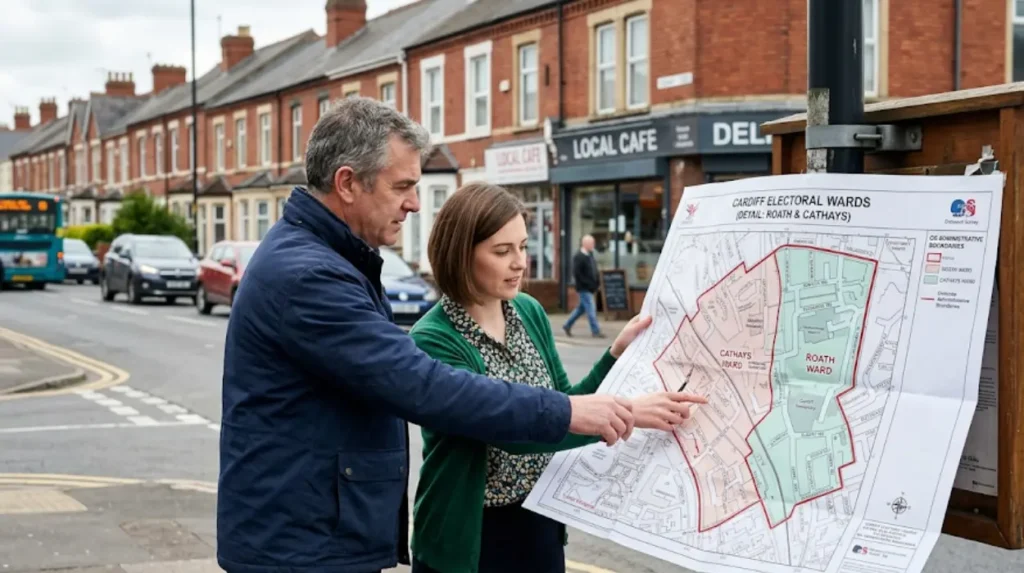
Cardiff ward boundaries are legally defined electoral divisions used for council representation; Roath and Cathays are separate wards with distinct geographic polygons on Cardiff Council’s boundary maps.Cardiff Council defines 29 electoral wards for local elections. Roath ward lies east of the city centre and covers residential areas including part of Albany Road, Adamsdown, and the Plasnewydd neighbourhood. Cathays ward lies immediately north of the city centre and includes Cathays Park, the university-dominated residential areas, and parts of the western approach roads. The Local Democracy and Boundary Commission for Wales reviews ward boundaries periodically; the most recent statutory review maps (published by the Commission and adopted by Cardiff Council) show the precise ward lines. These maps and Ordnance Survey (OS) administrative boundaries are authoritative for determining which properties fall inside Roath or Cathays.
Which addresses on Albany Road are officially in Roath?
The majority of Albany Road property numbers east of Penarth Road and east of the junction with City Road are within Roath ward; these addresses use CF24 postcode sectors associated with Roath/Plasnewydd.Cardiff Council property and electoral registers list individual properties by street and ward. Properties with address numbers from approximately 1 to 120 (eastwards segments differ by local numbering schemes) often appear on council datasets as Roath. The Ordnance Survey AddressBase Premium database and Royal Mail PAF (Postcode Address File) tie each address to a unitary authority and postcode; for Albany Road, many entries map to CF24 3xx and CF24 4xx, sectors historically linked to Roath and Plasnewydd. Electoral roll entries and council tax bands confirm ward allocation for specific properties. For planning and licensing applications, Cardiff Council’s property lookup confirms these addresses are administered under Roath ward councillors.
Which addresses on Albany Road are officially in Cathays?
The western end of Albany Road, particularly properties near the junction with City Road and close to Cathays Park, fall within Cathays ward; these properties often use CF10 or CF24 postcodes and are administratively managed under Cathays.Cathays ward covers the area north and northwest of the city centre. The boundary follows local streets and identifiable landmarks: it passes near Albany Road’s western junctions such as City Road and Crwys Road. Properties on the westernmost stretch, including some commercial units near the roundabout toward the city centre, appear in council mapping as part of Cathays. University-managed student accommodation in that zone is usually recorded under Cathays for electoral and licensing records. Ordnance Survey boundary lines and Cardiff Council’s GIS layers provide precise property-level determinations.
How do postal codes and delivery areas affect whether Albany Road is in Roath or Cathays?
Postcodes group properties for Royal Mail delivery and do not equal political wards; Albany Road uses CF24 and CF10 sectors that overlap Roath and Cathays administrative boundaries.Royal Mail’s Postcode Address File assigns CF24 to broad east Cardiff addresses including Roath and Plasnewydd, while CF10 covers central and western Cardiff including Cathays-adjacent zones. Postcode Sector CF24 3 and CF24 4 contain many Albany Road addresses. Postal geography optimizes delivery routes and can cross local government boundaries. For legal and civic purposes—voting, council tax, planning—the council ward and Ordnance Survey administrative boundaries govern, not the postcode alone. Always verify ward using Cardiff Council’s property lookup or the Local Land and Property Gazetteer (LLPG).
How do historical boundaries explain the Roath–Cathays distinction on Albany Road?
Historically, Roath was a separate village and parish east of Cardiff city centre; urban expansion in the 19th and 20th centuries absorbed Roath and adjoining Cathays into Cardiff, producing overlapping local names and boundary adjustments.Roath (Welsh: Y Rhath) existed as a township and parish with medieval origins; 19th-century industrialisation and Cardiff’s rapid growth changed land use and governance. Cathays developed later as municipal and university expansion created dense housing for workers and students. Municipal reforms—Cardiff Borough extensions in the 19th century and later local government reorganisations in 1974 and 1996—redrew administrative boundaries. The Local Government Act 1972 and subsequent reorganisation transferred responsibilities and created electoral wards where historic parish lines no longer matched urban realities. Residual place names like “Roath” and “Cathays” remain in popular use, while legal ward boundaries define administration.
How do local government services and representation differ for Albany Road residents in Roath versus Cathays?
Residents on Albany Road receive council services—waste collection, planning, licensing, and electoral representation—based on their ward: Roath residents use Roath councillors; Cathays residents use Cathays councillors.Cardiff Council organises service delivery and councillor allocation by ward. Council tax billing, recycling schedules, street cleaning, and local planning applications reference the property’s ward code. For elections, registered voters on Albany Road vote in the ward that contains their property. Community groups and residents’ associations operate at ward or neighbourhood level; Roath Homeowners Association and Cathays Residents’ groups maintain lists of concerns and local initiatives specific to their wards. For licence applications (alcohol, pavement licences) applicants must submit to the licensing team referencing the ward within council records.
Explore More Area Guide
Moving to Roath Cardiff: Authorities, Conservation & Council Tax
What is Roath Cardiff Like? A Complete Guide to the Local Area
How can a resident or business verify whether their Albany Road property is in Roath or Cathays?
Use Cardiff Council’s online property/ward lookup, Ordnance Survey administrative boundary maps, or the Local Democracy and Boundary Commission for Wales maps to confirm the ward for a specific Albany Road address.Cardiff Council provides property lookup tools where entering a full street address returns ward, polling district, and councillor details. Ordnance Survey’s OS OpenData or OS Boundary-Line products show administrative boundaries at high resolution. The Local Democracy and Boundary Commission for Wales publishes statutory maps and PDF schedules showing ward extents used for elections. For legal certainty, refer to the council’s Electoral Services or the council tax department that hold the official register. Planning departments use the Local Land and Property Gazetteer (LLPG) and AddressBase for authoritative assignments.
What are the planning and property implications for being in Roath versus Cathays?
Planning policy and neighbourhood plans reference Cardiff-wide policies, but ward-specific constraints—conservation areas, Article 4 directions, and designated housing zones—affect Albany Road properties depending on whether they lie in Roath or Cathays.Cardiff’s Local Development Plan (LDP) sets citywide planning policy; however, local designations vary. Roath contains several conservation areas and Victorian terrace housing stock, imposing stricter façade or extension controls in parts. Cathays features University-related HMOs (houses in multiple occupation) and student housing policies; Article 4 directions restricting permitted development rights apply in some Cathays streets to control HMO conversions. Licensing for short-term rentals, HMO licensing, and planning enforcement follow the property’s ward and policy overlays. Applicants should consult Cardiff Council’s planning portal and conservation officer for location-specific requirements.
Are there statistical differences (population, housing, demographics) between Roath and Cathays that affect Albany Road?
Roath has a mixed residential profile with families and long-term residents; Cathays has a higher student population and rental housing proportion; these differences influence local services and commercial demand along Albany Road.Census and council profiles provide data: Roath and Plasnewydd wards show higher owner-occupation rates and family households; Cathays demonstrates higher proportions of 18–24 year-olds, rental tenure, and transient populations due to Cardiff University and student halls. Electoral roll and council housing statistics for the latest census year show these contrasts numerically—Cathays often records a median age in the early 20s and higher turnover rates; Roath’s median age is higher with more long-term residency. For businesses on Albany Road, customer base varies: daytime trade and breakfast venues attract commuters and nearby residents, while evening economy and low-cost retail respond to student demand.
How do transport links and public amenities on Albany Road connect to Roath and Cathays?
Albany Road provides bus routes, cycle lanes, and pedestrian links that serve both Roath and Cathays populations; transport planning falls under Cardiff Council and regional transport authorities.Bus services (Cardiff Bus routes including numbers 1, 2, 3, subject to timetable changes) operate along Newport Road and City Road corridors with stops near Albany Road. Cycle routes connect to Cardiff Council’s Active Travel network. Public spaces and amenities—post offices, GP surgeries, schools—serve ward residents based on proximity rather than strict ward lines. Parkland such as Roath Park lies east of Albany Road and is within Roath ward, while Cathays Park and university buildings lie to the northwest. Transport improvements and active travel schemes are funded through Cardiff’s transport strategy and Welsh Government grants, with impact assessed across wards.
What are real-world examples of boundary disputes or confusions involving Albany Road?
Local confusion appears in media reports, business listings, and postal descriptions when Albany Road properties are alternatively described as Roath or Cathays; official dispute resolution uses council and Electoral Commission records.Examples include businesses listing their address as “Roath” for marketing while electoral records list the same property in Cathays; property portals sometimes display inconsistent neighbourhood labels due to postcode overlap. When residents challenge ward assignments—usually for electoral or council tax purposes—Cardiff Council’s Electoral Registration Officer examines polling district maps and AddressBase entries. Boundary disputes escalate to the Local Democracy and Boundary Commission for Wales when wards require formal review prior to elections.
What future changes could affect whether Albany Road properties are in Roath or Cathays?
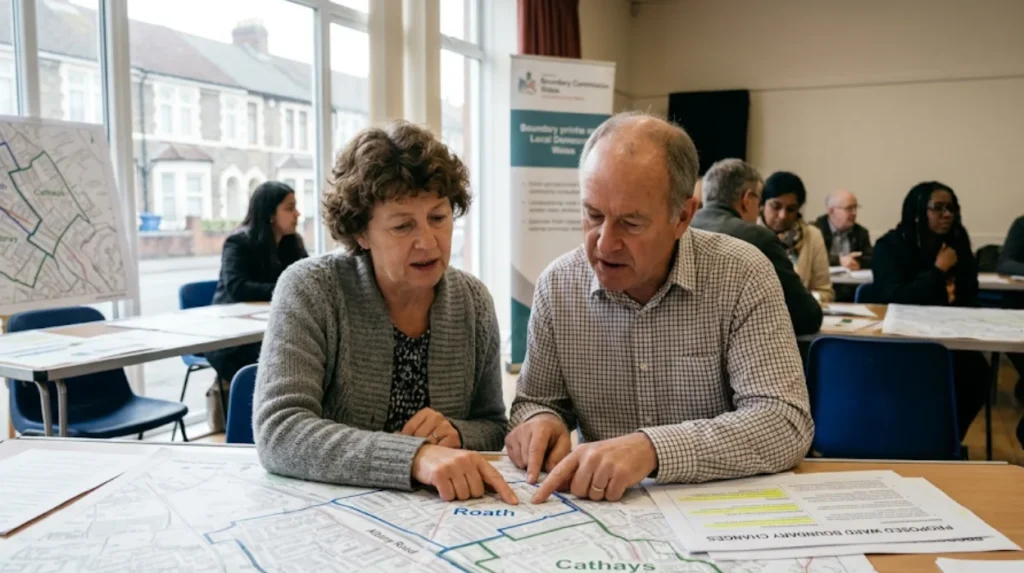
Periodic electoral reviews and local government reorganisations can change ward boundaries; any revision proposals undergo public consultation and statutory adoption before altering which parts of Albany Road fall in Roath or Cathays.The Local Democracy and Boundary Commission for Wales conducts reviews to equalise electorate numbers per councillor and reflect population shifts. Proposed changes publish draft maps and consultation documents with timescales—typically 12–18 months from review start to final order. Urban development, new housing schemes, or university accommodation growth can shift electorate size and trigger reviews. Legislative reforms at Welsh Government level to alter unitary authority structures could also redefine ward boundaries, but such changes require primary legislation and local consultation.
Where to find authoritative sources and references for Albany Road ward status?
Authoritative sources include Cardiff Council property and ward lookup tools, Ordnance Survey boundary data, the Local Democracy and Boundary Commission for Wales maps, Royal Mail PAF for postcodes, and UK government electoral records.
- Cardiff Council’s official website hosts ward maps, councillor details, and property lookup services that produce the ward for a named address.
- Ordnance Survey’s OS Boundary-Line dataset shows statutory administrative boundaries.
- The Local Democracy and Boundary Commission for Wales publishes reports and maps on ward reviews and final orders.
- Royal Mail’s Postcode Address File (PAF) and AddressBase (Ordnance Survey product) provide precise address-to-postcode and administrative assignments.
- Electoral registration records and council tax databases confirm the legal ward for elections and billing. Use these sources when citing ward assignment in planning applications, legal documents, or academic work.
Albany Road lies predominantly within Roath ward, with its western end adjacent to and partially within Cathays ward; precise ward assignment for any specific property requires verification via Cardiff Council or official boundary datasets.For practical purposes—voting, council services, planning—use the council’s address lookup or Ordnance Survey/AddressBase datasets to determine whether a particular Albany Road property is in Roath or Cathays. Historical place names and postcode overlaps explain common confusion, but legal responsibility rests with the electoral ward boundary as published by Cardiff Council and the Local Democracy and Boundary Commission for Wales.
Is Albany Road in Roath or Cathays?
Albany Road is predominantly located in Roath, Cardiff. However, the western end of the road near City Road and the city centre boundary lies adjacent to, and in some cases partially within, Cathays ward. The exact ward depends on the specific property address.