Cardiff is a multilingual capital city where Welsh and English are the main languages spoken, alongside many community languages. The city’s language landscape reflects its history, migration patterns, education system, and role as the capital of Wales since 1955.
- Why are Welsh and English the main languages in Cardiff?
- How common is Welsh in Cardiff?
- How has Cardiff’s language history developed?
- Which immigrant languages are spoken in Cardiff?
- How does education support languages in Cardiff?
- What role does Welsh play in Cardiff’s culture?
- How is Cardiff becoming more multilingual in the future?
- What sources provide information about languages in Cardiff?
Cardiff is the largest city in Wales and serves as the political, cultural, and economic centre of the country. The city has two official languages, Welsh and English, recognised through Welsh language legislation and public services.
English is the most widely used everyday language in Cardiff. Welsh is the national language of Wales and has a strong presence through schools, government services, cultural organisations, and Welsh-speaking communities.
The city also has residents who speak languages connected with international migration. Communities from South Asia, Europe, Africa, and other regions contribute languages such as Polish, Arabic, Bengali, Somali, Urdu, Punjabi, and Mandarin.
The linguistic identity of Cardiff has developed through several historical periods, including the growth of the coal industry, international trade, university expansion, and modern migration. This creates a city where multiple languages are used in homes, workplaces, schools, and public spaces.
Why are Welsh and English the main languages in Cardiff?
Welsh and English became the main languages of Cardiff because of Wales’ historical development, legal recognition of Welsh, and the widespread use of English in administration, commerce, education, and everyday communication.
Welsh is a Celtic language with roots extending back more than 1,500 years. It developed from the Brythonic languages spoken in Britain before the Anglo-Saxon period.
English became dominant in many parts of Wales through political, economic, and industrial changes. Cardiff’s growth as a port city increased the use of English because international business, shipping, and administration operated largely in English.
The Welsh Language Act 1993 and the Welsh Language (Wales) Measure 2011 strengthened the official status of Welsh. These laws established equal treatment principles for Welsh and English in public services.
The Welsh Government promotes Welsh through education, media, and public communication. Organisations such as the Welsh Language Commissioner support the use of Welsh in public life.
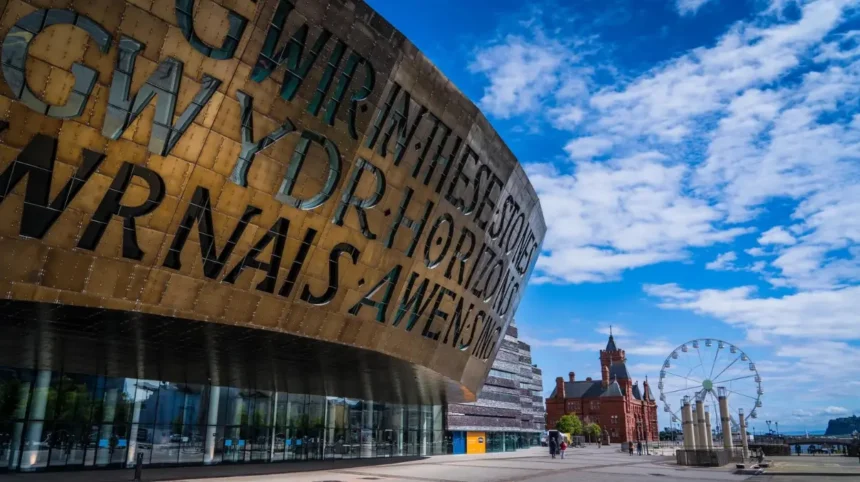
Cardiff reflects this bilingual framework through bilingual road signs, government communications, cultural events, and educational opportunities.
How common is Welsh in Cardiff?
Welsh is spoken by a significant number of Cardiff residents, with thousands using the language daily at home, in schools, workplaces, and cultural settings. Welsh-medium education has increased the number of younger speakers across the city.
According to the Office for National Statistics Census 2021, around 17.8% of Cardiff residents aged three and over reported being able to speak Welsh. This represents tens of thousands of people across the capital.
Welsh-speaking communities are particularly connected with areas such as Canton, Grangetown, and parts of north Cardiff. Welsh-medium schools have played a major role in increasing language skills among younger generations.
Schools including Welsh-medium primary and secondary institutions provide education where Welsh is the main teaching language. These schools support children from both Welsh-speaking families and families choosing bilingual education.
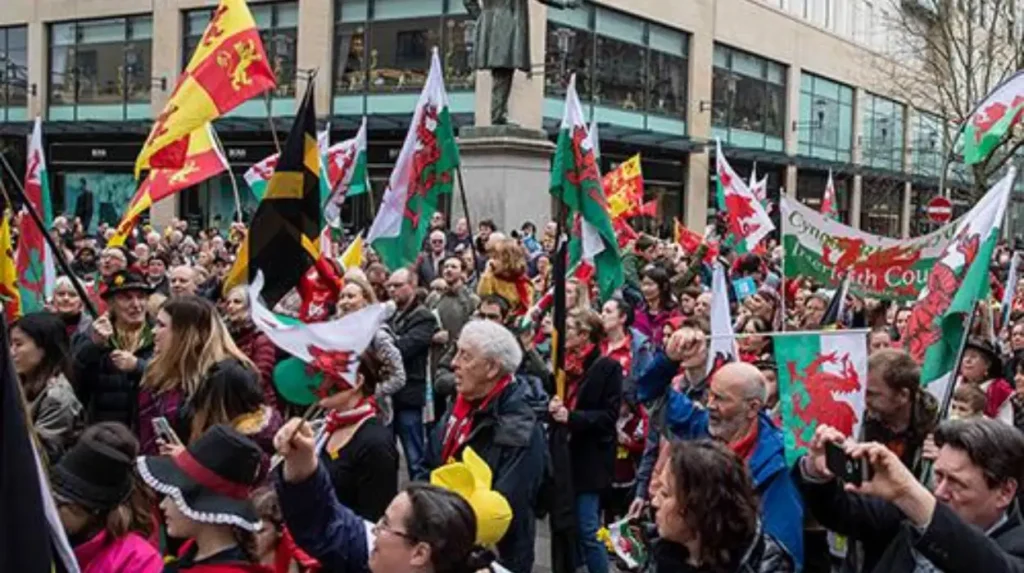
Welsh is also visible through cultural organisations, festivals, literature, music, and broadcasting. Events connected with Welsh culture provide opportunities for residents and visitors to experience the language.
How has Cardiff’s language history developed?
Cardiff’s language history has changed through centuries of political transformation, industrial expansion, migration, and cultural development. The city moved from a Welsh-speaking settlement to a bilingual capital with a diverse modern language environment.
Cardiff began as a small settlement influenced by Welsh-speaking communities. During the medieval period, Welsh remained central to local communication.
The Industrial Revolution transformed Cardiff into a major coal-exporting port. From the nineteenth century onwards, workers and traders arrived from different parts of Britain and overseas.
The expansion of Cardiff Docks created international connections with countries across Europe, Africa, and the Middle East. This increased linguistic diversity within the city.
Cardiff became the capital of Wales in 1955, increasing its importance as a centre for Welsh government, culture, and identity. The establishment of national institutions strengthened the role of Welsh in public life.
Modern Cardiff combines historical Welsh language traditions with the languages introduced by global communities.
Which immigrant languages are spoken in Cardiff?
Cardiff has many immigrant and community languages because of international migration, university populations, employment opportunities, and historic links with global regions. These languages represent the city’s multicultural population.
Common community languages spoken in Cardiff include Polish, Arabic, Bengali, Urdu, Punjabi, Somali, Mandarin, Spanish, Portuguese, and Romanian.
The Polish-speaking community expanded significantly after Poland joined the European Union in 2004, leading to increased migration across the United Kingdom.
South Asian languages have a long presence in Cardiff. Communities using Urdu, Punjabi, Bengali, and other languages contribute to the city’s cultural and commercial life.
Arabic is spoken by Cardiff residents from several countries, including communities connected with the Middle East and North Africa.
Cardiff’s universities also attract international students who bring languages from Asia, Europe, Africa, and the Americas.
Explore more Area Guide
Walking Around Rumney: Parks, Routes & Heritage | Cardiff 2026
Mansion House Cardiff History and Heritage, Cardiff 2026
How does education support languages in Cardiff?
Education plays a central role in protecting Welsh, developing bilingual skills, and supporting multilingual communities. Cardiff schools provide opportunities for students to learn Welsh, English, and additional languages.
Cardiff Council manages education services across the city and supports Welsh-medium and English-medium education.
Welsh-medium schools teach subjects primarily through Welsh, helping students develop strong language skills. English-medium schools also provide Welsh language education as part of the national curriculum.
Secondary schools often offer additional modern foreign languages including French, Spanish, German, and other international languages.
Language education supports employment opportunities, cultural understanding, and communication skills. Cardiff’s bilingual education system reflects Wales’ national commitment to maintaining Welsh as a living language.
What role does Welsh play in Cardiff’s culture?
Welsh is a central part of Cardiff’s cultural identity through music, literature, festivals, broadcasting, and public events. The language connects the city with Wales’ national heritage and modern cultural expression.
Cardiff hosts major Welsh cultural events and institutions. The city is home to organisations supporting Welsh language arts, publishing, theatre, and broadcasting.
The Welsh language is strongly represented through organisations such as S4C, the Welsh-language television channel, and BBC Cymru Wales services.
Music events, poetry competitions, and cultural festivals provide platforms for Welsh speakers and learners.
The language also appears in public spaces through bilingual signs, announcements, and official communications.
How is Cardiff becoming more multilingual in the future?
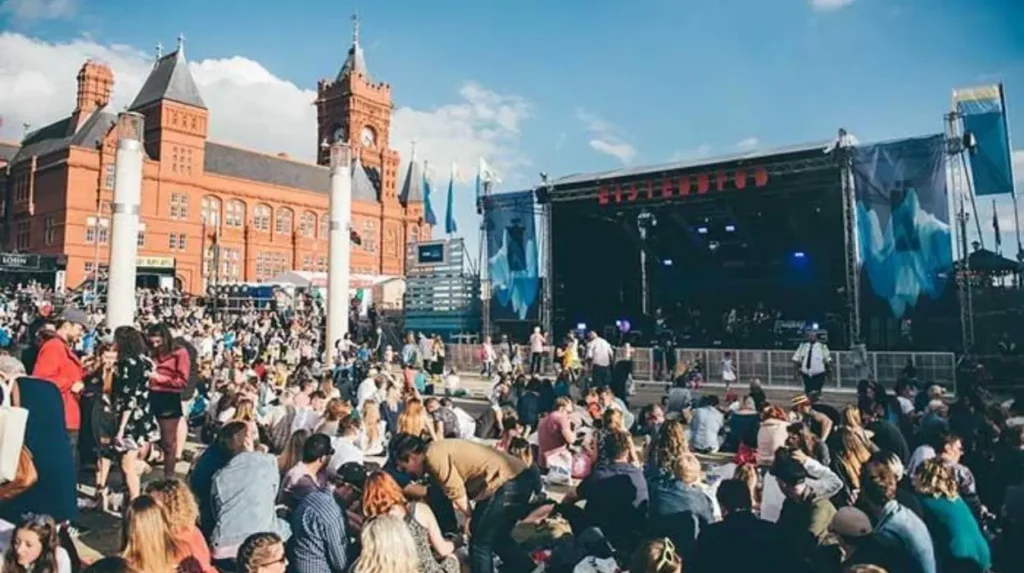
Cardiff’s future language environment is becoming increasingly multilingual due to population growth, international education, migration, and continued investment in Welsh language development.
Population change continues to influence the languages used across Cardiff. International communities contribute new languages while Welsh continues to grow through education and public policy.
Digital communication has also expanded access to Welsh learning resources and multilingual content.
Technology, translation services, and language learning platforms support communication between different communities.
Cardiff’s position as a capital city ensures continued interaction between Welsh speakers, English speakers, and international language communities.
What sources provide information about languages in Cardiff?
Reliable information about Cardiff’s languages comes from government statistics, census data, academic research, and official Welsh language organisations. These sources track language use, education, and demographic changes.
Key sources include:
- Office for National Statistics Census 2021 language data.
- Welsh Government Welsh language statistics.
- Welsh Language Commissioner reports.
- Cardiff Council education and demographic information.
- Academic research from Cardiff University.
These sources provide evidence about language patterns, bilingual education, and the changing linguistic identity of Cardiff.
Is Cardiff an English-speaking city?
Cardiff is primarily an English-speaking city, but it is officially bilingual with strong Welsh language presence in education, government, and cultural settings.
English is the most common language for daily communication, business, and tourism. Welsh remains an important part of Cardiff’s national identity and public services.