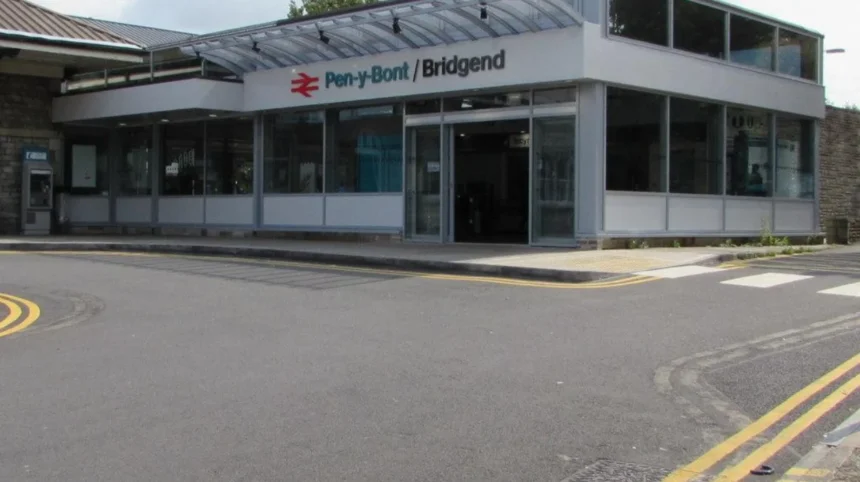
Commuting from Cardiff to Bridgend connects the Welsh capital with an established town in Bridgend County Borough, approximately 20 miles to the west. The route serves employees, students, business travellers and residents travelling between South Wales communities. Rail services, road connections and local bus networks provide different options for making this journey.
- What is the distance between Cardiff and Bridgend?
- How long does the train take from Cardiff to Bridgend?
- How much does the Cardiff to Bridgend train commute cost?
- Which train tickets should regular commuters compare?
- How can commuters calculate the monthly cost?
- What other expenses should be included?
- Is driving from Cardiff to Bridgend a practical commuting option?
- Which roads connect Cardiff with Bridgend?
- How does rush-hour traffic affect the commute?
- What are the costs of driving every day?
- Can you travel from Cardiff to Bridgend by bus?
- Where does the X2 bus stop?
- How long does the bus journey take?
- When is the bus a suitable alternative?
- Which transport option is best for commuting from Cardiff to Bridgend?
- Is the train better for daily commuting?
- Is driving better for workers outside Bridgend town centre?
- Is the bus better for commuters living along the route?
- What should commuters know about peak travel times?
- How should commuters plan morning departures?
- How should commuters plan the evening return?
- How can commuters prepare for disruption?
- Which Cardiff areas are convenient for commuting to Bridgend?
- Is central Cardiff suitable for train commuters?
- Is western Cardiff suitable for bus commuters?
- Should commuters choose a home based on transport alone?
- What should people know about commuting from Bridgend to Cardiff?
- How should rail commuters plan the return trip?
- How does driving compare on the return journey?
- Can commuting work for hybrid employees?
- How can commuters make the Cardiff to Bridgend journey more reliable?
- What should a daily commuting checklist include?
- How can commuters reduce avoidable travel costs?
- How should commuters prepare for long-term changes?
- What is the future of commuting between Cardiff and Bridgend?
- How could changing work patterns affect the commute?
- Why should commuters monitor transport developments?
- Is Cardiff to Bridgend a manageable daily commute?
The best commuting option depends on the starting point in Cardiff, the destination in Bridgend, work schedules, travel costs and the need for onward transport. Cardiff Central railway station provides direct rail connections towards Bridgend, while the M4 motorway serves drivers travelling west from Cardiff towards Bridgend and surrounding communities.
This guide explains train journeys, driving routes, bus connections, commuting costs, peak-time considerations and practical planning for regular travel between Cardiff and Bridgend.
What is the distance between Cardiff and Bridgend?
Cardiff and Bridgend are approximately 20 miles apart by road, although the exact distance depends on the starting point, destination and route. Rail travel connects Cardiff Central with Bridgend station, while the M4 motorway provides the principal road corridor for many car journeys.
Bridgend is a town in South Wales and the administrative centre of Bridgend County Borough. Cardiff is the capital of Wales and a major centre for government, education, healthcare, retail and professional employment.
The two locations form part of the wider South Wales urban and economic corridor. People travel between them for employment, education, shopping, healthcare appointments and family commitments.
The distance varies according to the journey endpoints. A trip from Cardiff Bay to an industrial estate outside Bridgend covers a different distance from a journey between Cardiff Central station and Bridgend railway station.
What is the main route between Cardiff and Bridgend?
The M4 motorway is the principal road route for drivers travelling between the two locations. Junction choices depend on the precise destination, traffic conditions and the part of Cardiff where the journey begins.
Rail passengers generally travel west from Cardiff Central towards Bridgend on services operating along the South Wales main line. Bridgend railway station provides access to the town centre and onward local transport.
Why is this commute important for South Wales?
Cardiff concentrates many regional employment opportunities, while Bridgend supports manufacturing, public services, retail, logistics and other businesses. The connection allows residents to access jobs and services across the region without relocating.
The commute also works in the opposite direction. People living in Bridgend travel to Cardiff for university courses, hospital appointments, office work, cultural activities and major events.
How long does the train take from Cardiff to Bridgend?
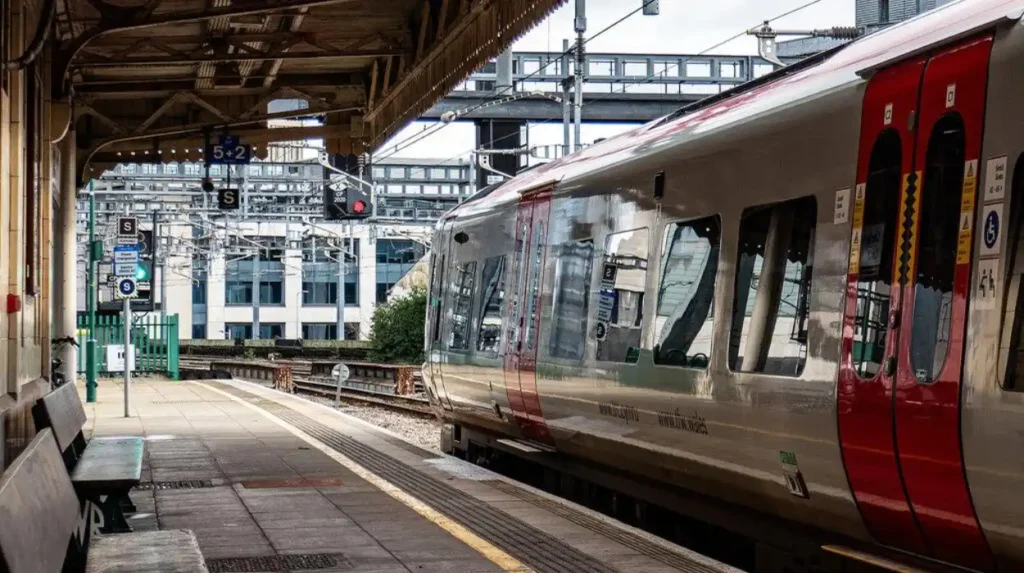
A direct train from Cardiff Central to Bridgend takes approximately 35 minutes on the Transport for Wales route information. Actual journey times depend on the departure, stopping pattern, timetable changes and service disruption. Passengers should check live departures before travelling.
Rail travel provides a practical option for commuters who want to avoid motorway traffic and do not need a car at their destination. Cardiff Central is the main departure point for many journeys, with Bridgend station serving the town.
Transport for Wales operates services connecting the two stations. Some trains continue west towards destinations such as Port Talbot and Swansea, while other services follow routes towards Maesteg.
Where do trains depart in Cardiff?
Cardiff Central is the principal station for the journey. It is located close to Cardiff city centre, employment districts, bus connections and the central shopping area.
Commuters travelling from Cardiff’s suburbs should include the journey to Cardiff Central in their total travel time. A short train journey does not automatically mean a short door-to-door commute if the departure station is difficult to reach.
Passengers should confirm the platform, departure time and destination shown on station displays. Timetable changes and rail replacement services affect particular journeys at different times.
Where do trains arrive in Bridgend?
Bridgend railway station is situated near the town centre. Walking, local buses, taxis and lifts from other commuters provide onward travel options, depending on the destination.
People working near the station generally have a simpler onward journey than those travelling to business parks, industrial sites or residential areas outside the centre. Before accepting a job, commuters should check the walking route from Bridgend station to the workplace.
How frequently do trains run?
Services operate at different intervals throughout the day, with frequencies varying by weekday, weekend and timetable period. Early-morning and late-evening travellers should check their exact departure rather than assume that trains operate at the same frequency all day.
The official Transport for Wales website provides route information, live departures, ticket options and service updates. Its Cardiff Central to Bridgend train guide is a useful starting point.
How much does the Cardiff to Bridgend train commute cost?
The cost of commuting by train depends on ticket type, departure time, eligibility for discounts and how frequently you travel. Compare single, return, season and eligible Railcard fares using your actual journey details before committing to a regular commuting budget.
Rail fares change according to the ticket conditions and travel date. A commuter travelling five days a week has different requirements from someone visiting Bridgend twice a month.
The most suitable ticket depends on travel frequency, flexibility and whether the same route is used every working day.
Which train tickets should regular commuters compare?
A single ticket covers one journey, while a return ticket covers travel in both directions under its stated conditions. Advance tickets, where available, can offer lower prices for selected departures but usually carry restrictions.
Season tickets suit some regular travellers. Weekly, monthly or longer-period products provide a way to compare the cost of repeated journeys against buying individual tickets.
A Railcard provides eligible travellers with discounts on qualifying fares under its terms. Eligibility rules and restrictions vary, so commuters should check whether their age, student status or other circumstances qualify.
How can commuters calculate the monthly cost?
Start with the price of the ticket that matches the planned journey. Multiply the relevant daily or weekly cost by the number of commuting days, then compare that figure with available season-ticket options.
For example, someone travelling to Bridgend three days a week should calculate the cost of six single journeys each week, or the equivalent return journeys, before comparing alternatives. The example describes the calculation method rather than a quoted fare.
Include local transport costs at both ends. Bus fares, station parking, taxi journeys and occasional car travel can materially change the total.
What other expenses should be included?
A realistic commuting budget includes more than the main rail fare. Consider travel to Cardiff Central, onward transport from Bridgend station, occasional parking, refreshments and alternative transport during disruption.
Employees should also check whether their employer offers a season-ticket loan, travel allowance or workplace travel scheme. These benefits depend on the employer’s policy and employment arrangements.
Is driving from Cardiff to Bridgend a practical commuting option?
Driving between Cardiff and Bridgend is practical for commuters whose workplaces are difficult to reach by public transport. The M4 motorway provides the main east–west road connection, but congestion, roadworks, parking charges and fuel expenses affect the overall journey.
The M4 links Cardiff with Bridgend and other major towns in South Wales. Drivers generally head west from Cardiff and select an exit based on their destination in or around Bridgend.
Road travel offers flexibility for people who need to carry equipment, visit several locations or work shifts that do not align with public transport schedules. It also gives commuters more control over their departure time, although congestion can reduce that advantage.
Which roads connect Cardiff with Bridgend?
The M4 is the principal motorway for many journeys between the two areas. Local roads connect the motorway to Cardiff neighbourhoods, Bridgend town centre and surrounding business districts.
The most appropriate junction depends on the workplace. A destination in central Bridgend requires different final-road directions from an industrial estate, retail park or coastal community.
Drivers should use live navigation and official road updates before leaving. The Traffic Wales service provides information about road conditions and disruptions in Wales. The UK government’s traffic information guidance also directs motorists towards the relevant national and Welsh traffic services.
How does rush-hour traffic affect the commute?
Morning and evening demand increases pressure on major commuter routes. Incidents, road maintenance, collisions and heavy traffic can extend journey times beyond those expected in free-flowing conditions.
The M4 also serves freight traffic and longer-distance journeys across South Wales. This shared use means delays are not limited to local commuters. Welsh Government research identifies the motorway corridor as an important connection for people, businesses and goods across the region.
Drivers should compare expected arrival times rather than rely on one fixed estimate. Regular commuters benefit from checking conditions before departure and allowing a buffer for unexpected delays.
What are the costs of driving every day?
Driving costs include fuel, vehicle insurance, maintenance, tyres, servicing, depreciation and parking. Motorists who finance or lease a vehicle also need to account for their regular payments.
Calculate fuel expenses using the distance actually driven, the vehicle’s fuel economy and the current fuel price. Add parking and other journey-specific expenses to estimate the daily total.
Car sharing can spread fuel and parking expenses among passengers. However, the arrangement requires agreed departure times, suitable insurance arrangements and a reliable plan for days when a passenger needs to leave early.
Can you travel from Cardiff to Bridgend by bus?
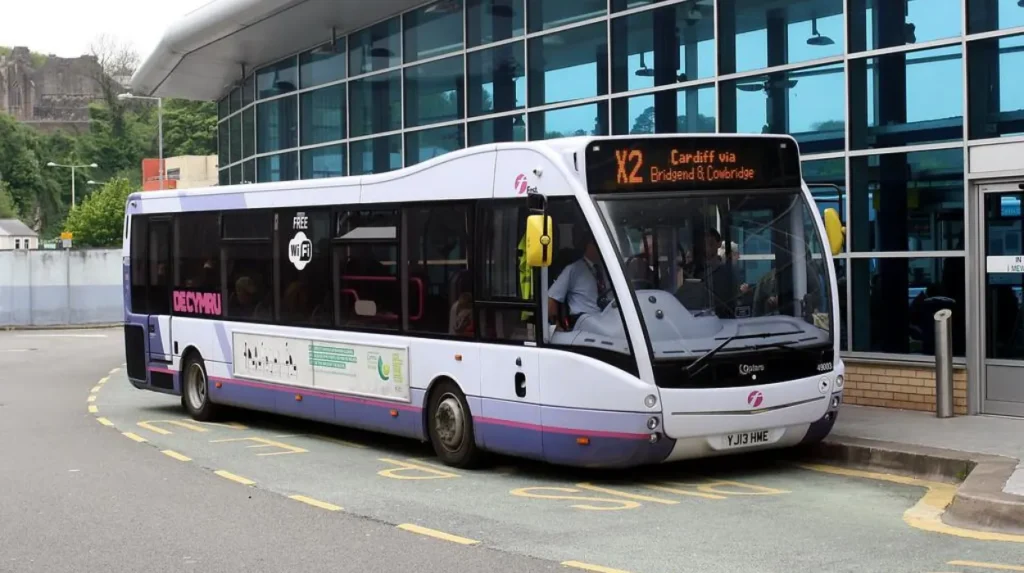
Bus travel provides an alternative for commuters whose starting points and destinations align with scheduled routes. The X2 service connects Cardiff and Bridgend via Ely and Cowbridge, but journey duration and departure times depend on the timetable and traffic conditions.
The X2 is a useful option for people travelling between parts of western Cardiff, Cowbridge and Bridgend. It follows a different corridor from a direct train, making it relevant to passengers who live or work near its stops.
Bus travel is especially worth comparing when the nearest railway station is inconvenient or when a commuter needs to reach a destination along the route.
Where does the X2 bus stop?
The published First Bus timetable lists Cardiff Bus Interchange, stops around Ely and Culverhouse Cross, Cowbridge and Bridgend Bus Station among its calling points. The route continues towards Porthcawl on the listed service.
This coverage makes the service relevant to commuters who do not begin or end their journeys near a railway station. It also provides connections for people travelling between communities along the route.
Check the official timetable for the intended day. Weekday, Saturday, Sunday and public-holiday arrangements are not necessarily identical.
How long does the bus journey take?
Bus journey times depend on the number of stops, traffic levels and the precise boarding and alighting points. Congestion on busy roads can make the journey less predictable than a rail trip.
A commuter should compare the complete journey rather than the advertised route duration alone. Walking to the bus stop, waiting for the service and travelling from the final stop to work all contribute to the total.
The First Bus timetable and journey-planning page provides route schedules and journey information.
When is the bus a suitable alternative?
Bus travel suits people who live near a direct stop, have flexible start times or work close to Bridgend Bus Station. It also provides an alternative when railway services are disrupted, provided the road service is operating normally.
However, a bus journey is less convenient when the workplace is far from the route or when the timetable does not match shift patterns. Compare actual departure and arrival times before choosing it for daily travel.
Which transport option is best for commuting from Cardiff to Bridgend?
Train, bus and car travel each suit different commuting needs. Trains provide a direct connection between Cardiff Central and Bridgend, buses serve communities along the road corridor, and cars offer flexible access to workplaces beyond town centres.
The best option depends on the entire journey, not just the distance between the two towns. A train is useful for a central workplace, while a bus can provide a more direct connection from a neighbourhood along its route. Driving is relevant when work requires access to several sites.
Is the train better for daily commuting?
The train is a strong option for people working within walking distance of Bridgend station or near a connecting bus route. Its scheduled journey time also helps commuters plan a regular routine.
Rail travel removes the need to drive through motorway congestion and find parking at the destination. Passengers can use the journey to read, listen to audio or prepare for work.
The main considerations are the distance to the departure station, the final walk, ticket prices and the consequences of service disruption. These factors matter particularly for commuters with fixed starting times.
Is driving better for workers outside Bridgend town centre?
Driving provides access to workplaces that have limited public transport connections. This includes some industrial, logistics and business locations outside the central area.
A car is also useful for employees who travel between multiple sites during the working day. The disadvantage is the combined cost of vehicle ownership, fuel and parking, alongside exposure to traffic delays.
Before choosing to drive, check workplace parking arrangements and the availability of public transport close to the final destination.
Is the bus better for commuters living along the route?
The X2 can be convenient for passengers travelling through Ely, Culverhouse Cross and Cowbridge. A bus journey also avoids the need to travel into Cardiff Central before heading west.
Its suitability depends on the location of the bus stops and the timing of the service. Commuters should compare the published schedule with their actual work hours.
For some people, combining a bus with a train is useful. However, every additional connection introduces waiting time and another potential source of disruption.
What should commuters know about peak travel times?
Peak commuting periods typically coincide with weekday journeys to and from work and school. The exact travel conditions vary by route, departure time and season, so commuters should check train schedules, bus timetables and live road information before travelling.
Morning departures from Cardiff and evening returns from Bridgend are common patterns for people working standard office hours. Shift workers, students and part-time employees often travel at different times.
Travel demand also changes during school holidays, major events, engineering works and adverse weather. These variations affect both road traffic and public transport.
How should commuters plan morning departures?
Begin with the required arrival time at work, then work backwards. Include the journey to the station or bus stop, the scheduled service, the final walk and a reasonable buffer for delays.
For example, an employee starting work at 9am near Bridgend station should select a train that reaches Bridgend before the required arrival time. A train scheduled to arrive at 8:58am leaves almost no time for walking or an unexpected delay.
The appropriate buffer depends on the workplace’s location and attendance policy. Jobs with strict shift handovers require more careful planning than workplaces with flexible start times.
How should commuters plan the evening return?
Check the final working time against the available departures from Bridgend. People working late shifts should verify the last suitable train or bus before relying on public transport.
An evening commute also requires consideration of onward transport in Cardiff. Arriving at Cardiff Central does not guarantee that a connecting local bus or other service will still be available.
Workers who regularly finish late should identify an alternative route and understand its likely cost. This reduces reliance on last-minute transport arrangements.
How can commuters prepare for disruption?
Check official operator updates before departure and again when a journey is affected. Rail replacement services, cancellations, road incidents and timetable changes can alter normal travel plans.
Transport for Wales publishes service updates and timetable information. Its guidance also explains compensation options for eligible delayed journeys.
For road journeys, check Traffic Wales for motorway incidents and planned restrictions. Keep alternative departure times and routes in mind, but avoid assuming that a local diversion will always be faster.
Which Cardiff areas are convenient for commuting to Bridgend?
The most convenient Cardiff starting point depends on access to Cardiff Central, the X2 bus corridor and the M4. Areas with practical links to these transport options can reduce the first part of the journey, but convenience varies by street and workplace.
Cardiff is a large city with different transport patterns across its neighbourhoods. A resident in the city centre has different options from someone living in Ely, western Cardiff or Cardiff Bay.
Commuters should assess the route from their home to the main transport connection before comparing property costs or journey times.
Is central Cardiff suitable for train commuters?
Central Cardiff provides access to Cardiff Central station and its rail services towards Bridgend. Residents who can walk to the station avoid additional bus or car journeys at the start of the commute.
This arrangement can simplify weekday travel, especially for people whose workplaces are also close to Bridgend station. The overall benefit depends on housing costs, walking distances and the precise working location.
Is western Cardiff suitable for bus commuters?
Western Cardiff locations near the X2 route can provide access to bus services towards Bridgend via Ely and Cowbridge. This is particularly relevant for residents who do not want to travel into the city centre before heading west.
Check the exact stop location and the timetable for the intended working day. A neighbourhood’s general proximity to a route does not mean every property has convenient access to it.
Should commuters choose a home based on transport alone?
Transport is one important factor in a housing decision, but it is not the only one. Rent or mortgage payments, local amenities, schools, household needs and access to other workplaces also influence suitability.
Calculate the total weekly travel time and cost from a specific address. This gives a more realistic comparison than using a neighbourhood name alone.
What should people know about commuting from Bridgend to Cardiff?
The return commute from Bridgend to Cardiff uses the same principal transport links in the opposite direction. Direct trains, scheduled buses and the M4 connect the two locations, but departure times, traffic conditions and onward journeys determine the most suitable option.
Many people travel from Bridgend into Cardiff for office work, public-sector jobs, education, healthcare and retail employment. The same planning principles apply, with the direction of travel reversed.
How should rail commuters plan the return trip?
Check the departure time from Bridgend and the arrival time at Cardiff Central. Workers who finish at a fixed time should identify a suitable service and an alternative in case they miss it.
If the journey continues beyond Cardiff Central, include the connecting train or local transport in the plan. A direct train between the two towns does not necessarily complete the full journey.
How does driving compare on the return journey?
Drivers travelling east from Bridgend towards Cardiff use the M4 and connected local roads. Traffic conditions vary throughout the day, and incidents affect journey times in either direction.
A route that is straightforward in one direction is not automatically equally convenient on the return. Check live conditions before setting off and allow additional time when arriving at a fixed appointment.
Can commuting work for hybrid employees?
Hybrid working combines workplace attendance with remote work on selected days. Employees travelling between Cardiff and Bridgend can compare the weekly cost of commuting with the number of required office days.
Someone travelling two days a week has different transport requirements from a full-time commuter. A flexible ticket arrangement or occasional rail fares can be worth comparing against a season ticket, depending on current prices and eligibility.
How can commuters make the Cardiff to Bridgend journey more reliable?
Reliable commuting starts with checking the complete route, choosing a service that allows arrival time flexibility and keeping an alternative available. Comparing real departure times, tracking disruptions and reviewing weekly travel costs helps commuters manage routine journeys more effectively.
A reliable commute depends on preparation rather than a single journey-time estimate. The most useful plan accounts for transport access at both ends and the consequences of arriving late.
What should a daily commuting checklist include?
Before leaving home, check the following:
- The scheduled train or bus departure.
- Live service updates and relevant road conditions.
- The walking or connecting journey to the workplace.
- The return departure and any late-evening restrictions.
- The cost of the planned ticket or vehicle journey.
- An alternative for significant disruption.
This checklist applies to commuters travelling by train, bus or car. The details differ, but the objective remains the same: arrive on time without unnecessary travel expense.
How can commuters reduce avoidable travel costs?
Compare ticket products using the actual number of weekly journeys. Check Railcard eligibility, available season-ticket options and any employer travel benefits before paying for a long-term ticket.
Drivers should compare fuel expenses, parking and vehicle running costs against public transport fares. Car sharing offers another option when working hours and destinations align.
People who travel on only selected weekdays should calculate their likely monthly spend before purchasing a season ticket. A ticket that suits daily travel does not automatically suit hybrid work.
How should commuters prepare for long-term changes?
Review the journey when work hours, home address or workplace location changes. A new office location can make a different station, bus route or road approach more convenient.
Check official transport information regularly because service timetables, roadworks and ticket conditions change. Decisions based on current schedules and actual costs remain more useful than relying on old journey estimates.
Explore More Area Guide
Cardiff to Newport Commute Guide: Trains, Buses and Costs
Best Cardiff Areas for Commuters: Transport and Housing Guide
What is the future of commuting between Cardiff and Bridgend?
Commuting between Cardiff and Bridgend will continue to depend on the availability of rail services, bus connections, road capacity and employment patterns across South Wales. Checking transport updates and comparing alternatives remains essential as travel needs and infrastructure change.
The South Wales transport corridor supports passenger journeys, freight movements and connections between major urban centres. The M4 plays an important role in regional transport, while rail services provide an alternative for people travelling between Cardiff, Bridgend and destinations farther west.
How could changing work patterns affect the commute?
Hybrid working changes how frequently some employees travel to an office. Flexible work arrangements can reduce the number of weekly journeys, changing the relative value of season tickets and individual fares.
Other workers, including healthcare staff, retail employees and manufacturing workers, still need reliable transport for scheduled shifts. Their commuting decisions depend on service availability, shift times and access to the workplace.
Why should commuters monitor transport developments?
Road maintenance, railway engineering work and service timetable revisions affect journey planning. Monitoring official updates helps commuters identify changes before they leave home.
The Welsh Government publishes information about road orders and transport policy, while Transport for Wales provides rail timetables and service information. These sources help travellers distinguish scheduled journey times from temporary disruption.
Is Cardiff to Bridgend a manageable daily commute?
The Cardiff to Bridgend commute offers three main transport choices: train, bus and car. Direct trains between Cardiff Central and Bridgend take approximately 35 minutes on the published route information, while the X2 bus serves communities along the Cardiff–Cowbridge–Bridgend corridor. Driving provides additional flexibility through the M4 motorway.
The most suitable option depends on where the journey starts and ends, the working schedule, ticket costs and the need for onward transport. Comparing door-to-door journey times and total weekly expenses provides a stronger basis for choosing than comparing headline travel times alone.
For regular commuters, the practical approach is to check current timetables, monitor disruption, compare available fares and keep a backup plan. These steps help residents travelling between Cardiff and Bridgend make informed decisions about everyday travel.
How far is Cardiff from Bridgend?
Cardiff and Bridgend are approximately 20 miles apart by road. The exact distance depends on the starting point, destination and route taken.