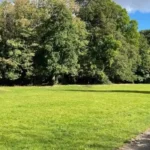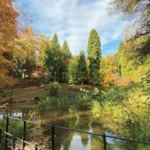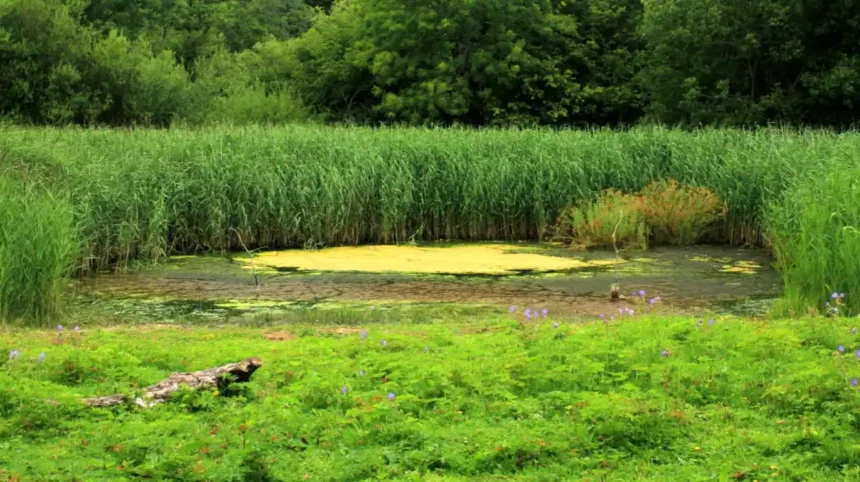
Forest Farm in Cardiff is a country park and nature reserve in north-west Cardiff, near Whitchurch and the River Taff. It combines woodland, wetlands, meadows, ponds and historic canal remains. The site attracts walkers, birdwatchers, families and wildlife photographers throughout the year.
- What Is Forest Farm in Cardiff?
- Where Is Forest Farm Located in Cardiff?
- What Is the History of Forest Farm and Its Canal?
- What Wildlife Can Visitors See at Forest Farm?
- What Walking Routes Are Available at Forest Farm?
- What is the Forest Farm wildlife walk?
- Can visitors walk along the Glamorganshire Canal?
- Can Forest Farm walks be extended along the Taff Trail?
- What Is the Melingriffith Waterpump?
- Why Is Forest Farm Important for Conservation?
- Is Forest Farm Suitable for Families and Children?
- Is Forest Farm Accessible for Walking and Cycling?
- What Facilities Are Available at Forest Farm?
- When Is the Best Time to Visit Forest Farm?
- How Can Visitors Reach Forest Farm Responsibly?
- What Other Cardiff Attractions Can Visitors Explore Near Forest Farm?
- Why Should Forest Farm Be Included in a Cardiff Nature Guide?
Located close to the M4 motorway, Forest Farm provides access to green space and wildlife habitats within the Cardiff urban area. Its historic landscape includes surviving sections of the Glamorganshire Canal, a waterway associated with the industrial development of South Wales. The Taff Trail also passes through the area, connecting visitors with a wider walking and cycling network.
What Is Forest Farm in Cardiff?
Forest Farm is a country park and nature reserve in north-west Cardiff, managed by Cardiff Council. It contains woodland, wetlands, meadows, ponds and historic canal sections. The site supports wildlife, recreational walking, environmental education and conservation activities throughout the year.
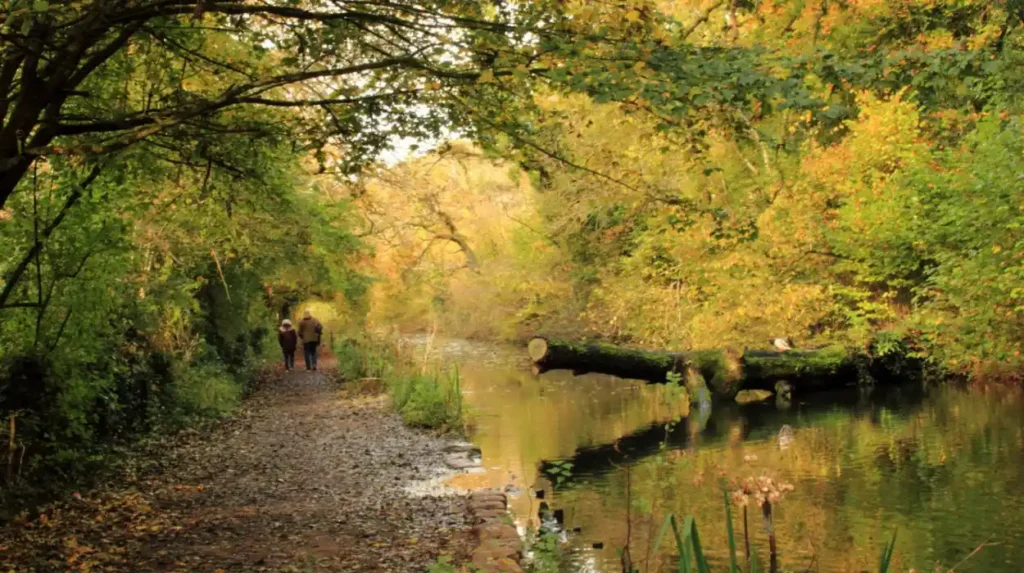
Forest Farm forms part of the Forest Farm and Melingriffith landscape, an area where natural habitats meet Cardiff’s industrial heritage. Visitors can explore footpaths, watch birds from designated hides and follow routes beside waterways and woodland.
The wider area includes the Glamorganshire Canal Local Nature Reserve and Longwood, a woodland recognised for its ecological importance. The nearby River Taff adds another habitat, supporting river wildlife and providing a route for outdoor recreation.
Forest Farm is particularly relevant to people searching for nature reserves in Cardiff, woodland walks near Whitchurch, birdwatching locations and accessible outdoor activities. Its combination of habitats gives visitors opportunities to observe different aspects of the local environment during one visit.
Where Is Forest Farm Located in Cardiff?
Forest Farm is located on Forest Farm Road, Cardiff, CF14 7JH, near Whitchurch and the River Taff. The country park lies south of the M4 motorway and connects with the Taff Trail, nearby residential areas and historic canal paths.
The main visitor access point is the Forest Farm Conservation Centre. Outdoor Cardiff lists its location at approximately 51.517286, -3.243540. The nearby Melingriffith Waterpump is another useful landmark for exploring the area’s industrial history.
Visitors travelling by car can use the postcode CF14 7JH for navigation. Local walking routes also connect the reserve with the River Taff corridor and surrounding Cardiff neighbourhoods.
Public transport and walking connections provide alternatives to driving. Visitors should check current bus and rail services before travelling, then confirm the best approach to their chosen entrance. Access routes can differ depending on whether the destination is the conservation centre, the canal or the river trail.
What Is the History of Forest Farm and Its Canal?
Forest Farm has an agricultural and industrial history linked to historic milling, the Glamorganshire Canal and local tin production. Its surviving waterways and woodland preserve evidence of earlier land uses, while its modern designation protects habitats and supports public recreation.
The landscape developed through several historical phases. Farming and milling formed part of its earlier use. Later, industrial activity transformed the area through canal transport and tin manufacturing.
The Glamorganshire Canal connected the Merthyr Tydfil area with Cardiff, helping move industrial goods towards the port. Sections of the historic waterway survive at Forest Farm, making the reserve an important location for understanding the relationship between transport, industry and the South Wales landscape.
How did Forest Farm become a nature reserve?
The reserve’s modern conservation history includes a significant event in 1967. According to the Mary Gillham Archive Project, the area containing Longwood and approximately one mile of the canal came under Cardiff City Council’s jurisdiction following the extension of Cardiff’s boundaries on 1 April 1967. The council approved nature reserve designation in June that year, following local conservation advocacy.
Forest Farm subsequently developed as a public conservation and recreation destination. The area was designated a country park in 1992, according to a Cardiff Council document reproduced in an environmental assessment. The park’s modern role combines habitat protection, education and public access.
Why is the Glamorganshire Canal important?
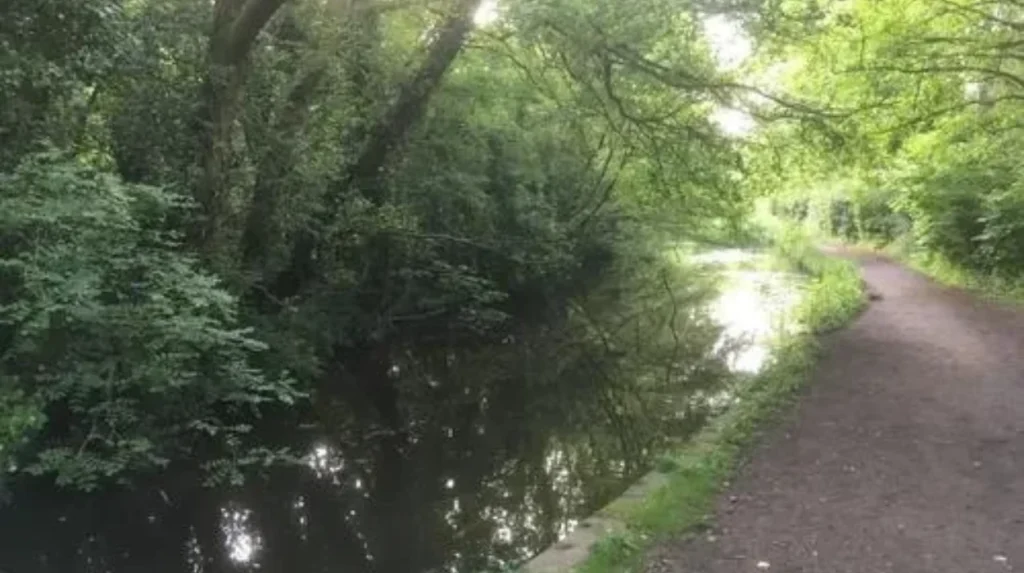
The canal is an industrial heritage feature and an ecological corridor. Its remaining water supports aquatic habitats, while the towpath provides opportunities for walking and wildlife observation.
The canal’s history also explains why a former industrial landscape now has conservation value. Surviving structures, historic water channels and surrounding woodland help visitors understand how transport infrastructure changed the local environment.
What Wildlife Can Visitors See at Forest Farm?
Forest Farm supports a range of wildlife because its woodland, open water, marshes, meadows and river habitats provide different feeding and shelter conditions. Commonly reported species include kingfishers, herons, mallards, moorhens, coots, dragonflies and woodland birds.
The reserve is known for birdwatching. Kingfishers attract particular attention because they hunt small fish along suitable waterways. Herons are frequently associated with shallow water and wetland margins, where they search for fish and other prey.
Visitors also encounter familiar waterbirds such as mallards, moorhens and coots. Depending on the season and local conditions, other wetland species appear around ponds and marshes.
Woodland and scrub provide habitat for birds such as tits, woodpeckers and sparrowhawks. The wider reserve has also recorded species including water rails, snipe, dippers, nuthatches and treecreepers. These sightings vary with season, weather and habitat conditions, so individual species are not guaranteed on every visit.
Invertebrates contribute to the reserve’s ecological value. Dragonflies and damselflies use suitable wetland environments, while butterflies and moths benefit from vegetation that supplies food and shelter.
Where can visitors watch birds?
Bird hides and viewpoints offer opportunities to observe wildlife without approaching it closely. Outdoor Cardiff identifies bird hides among Forest Farm’s visitor features and highlights the site’s importance for kingfisher watching.
Visitors should remain quiet near hides, avoid sudden movements and keep a respectful distance from birds. Binoculars help with identifying species without disturbing them.
What is the best season for wildlife watching?
Spring and early summer provide opportunities to observe increased bird activity and emerging insects. Autumn brings changing woodland colours and seasonal bird movements. Winter offers views through less dense vegetation, although wet paths and cold weather require suitable clothing.
Wildlife remains unpredictable in every season. Early morning visits often provide quieter conditions, while patience and slow movement improve opportunities for observation.
What Walking Routes Are Available at Forest Farm?
Forest Farm offers woodland paths, canal-side walks, wetland viewpoints and connections to the Taff Trail. Visitors can choose a short wildlife-focused outing or combine several paths into a longer circuit, depending on ground conditions, access points and personal walking ability.
The route network makes Forest Farm suitable for different types of outdoor visits. Some visitors concentrate on the conservation centre and nearby bird hides, while others continue along the canal or join the Taff Trail beside the River Taff.
A published walking and cycling route describes a Forest Farm circuit of approximately 2.8 miles (4.5 kilometres). Actual distance depends on the selected paths and starting point. Visitors should check the route map before setting out.
What is the Forest Farm wildlife walk?
The wildlife walk focuses on habitats around the reserve. Visitors can look for birds around the ponds, observe vegetation in woodland sections and examine the relationship between water and wildlife.
Cardiff’s Outdoor Cardiff programme provides a Forest Farm Wildlife Explorer Trail leaflet. The children’s trail includes 15 marker posts with activities designed to encourage observation and engagement with the natural environment.
This route suits families who want to make a walk more educational. Children can look for different habitat features, identify visible birds and learn why wildlife needs places to feed and shelter.
Can visitors walk along the Glamorganshire Canal?
Yes. The surviving canal sections provide a distinctive walking environment with waterside vegetation, historic structures and opportunities for birdwatching. A published route guide describes a canal walk of approximately 1.9 miles (3 kilometres), although the distance depends on the selected start and finish points.
Walkers should remain on established paths and take care around the water’s edge. Mud, wet leaves and uneven surfaces affect footing, particularly after rain.
Can Forest Farm walks be extended along the Taff Trail?
The Taff Trail passes through the Forest Farm area and links it with other parts of Cardiff and routes beyond the city. It provides an option for visitors who want to extend a short reserve visit into a longer walk or cycle journey.
Before setting out, check the intended route distance, daylight hours and return arrangements. A linear walk requires planning for the journey back to the starting point, while a circular route offers a return to the same access area.
What Is the Melingriffith Waterpump?
The Melingriffith Waterpump is a historic industrial structure near Forest Farm that lifted water from the tailrace of the Melingriffith Tin Works into the Glamorganshire Canal. Installed in the 1790s, it demonstrates the engineering systems that supported local industry.
The waterpump provides a tangible connection between the reserve’s wildlife and its industrial past. Canal systems needed reliable water supplies, while nearby industry depended on water management and transport infrastructure.
Visitors exploring the Forest Farm and Melingriffith area can combine a walk with an examination of the historic waterworks. The feature adds context to the surviving canal, helping explain how water was moved and used during the area’s industrial period.
The waterpump is also a useful landmark when planning a longer outing around the canal and River Taff. Visitors should follow public paths and respect any access restrictions around historic structures.
Why Is Forest Farm Important for Conservation?
Forest Farm supports conservation by protecting connected habitats, including woodland, wetland, meadow and freshwater environments. These habitats provide food, shelter and breeding areas for wildlife, while the reserve’s paths and educational resources help visitors understand the importance of protecting local biodiversity.
The ecological value of Forest Farm comes from habitat variety. Woodland supports birds and other animals that depend on trees and undergrowth. Wetlands provide feeding and shelter areas for waterbirds and invertebrates. Meadows support flowering plants and insects, while freshwater habitats sustain aquatic organisms.
Longwood is an important part of the wider landscape. The Woodland Trust describes the nearby Forest Farm Country Farm woodland as covering approximately 28.75 hectares, or 71.05 acres, and identifies the surrounding area with significant woodland and wildlife interest.
Conservation also depends on responsible visitor behaviour. Leaving plants undisturbed, avoiding litter, keeping dogs under control and staying on established paths help reduce pressure on sensitive habitats.
How do volunteers support Forest Farm?
Forest Farm Conservation Centre serves as a base for Cardiff Council’s Community Park Ranger Service and environmental volunteering activity. Friends of Forest Farm also supports local conservation work and activities associated with the reserve.
Volunteering can involve practical habitat management and other conservation tasks. People interested in helping should check the current programme before attending, as activities and meeting arrangements change.
Local participation helps maintain the reserve as both a wildlife site and a public green space. It also creates opportunities for residents to learn about habitat management, species identification and the area’s heritage.
Is Forest Farm Suitable for Families and Children?
Forest Farm provides family-friendly opportunities for walking, wildlife watching and outdoor learning. Its Wildlife Explorer Trail introduces children to local habitats through marked activities, while ponds, woodland paths and bird hides create opportunities to observe nature during a supervised visit.
Families can plan a short visit around the wildlife trail rather than attempting every path. Children can look for visible birds, notice differences between wetland and woodland habitats, and learn how plants support insects and other animals.
The trail’s 15 marker posts offer a structured activity for younger visitors. Adults should check the current leaflet and route conditions before setting out, particularly when visiting with children who need shorter distances or frequent breaks.
Supervision is important near ponds, canals and the River Taff. Children should remain on established paths and avoid entering the water. Waterproof footwear, drinking water and weather-appropriate clothing make visits more comfortable.
Is Forest Farm Accessible for Walking and Cycling?
Forest Farm has a network of paths and connections to the Taff Trail, making it useful for walking and selected cycling routes. However, surface conditions vary, and muddy ground, exposed roots and uneven sections affect accessibility, particularly after wet weather.
The site is best approached with realistic expectations about terrain. Some sections are relatively level, but a level route is not automatically suitable for every wheelchair, mobility aid or pushchair. Visitors who require step-free access should confirm current path surfaces, entrance conditions and any temporary restrictions before travelling.
Cyclists can use the wider trail network, but they should ride considerately where paths are shared with walkers. Slow down around families, wildlife viewpoints and narrow sections, and follow local signs.
Forest Farm is listed as open to the public 24 hours a day, seven days a week. Nevertheless, daylight visits are more practical for wildlife observation and safer navigation, particularly in winter.
What Facilities Are Available at Forest Farm?
Forest Farm has a conservation centre, birdwatching facilities and walking-route connections, but visitors should not expect a full range of visitor services. Outdoor Cardiff states that public toilets are not generally available at the reserve, although facilities are available on some event days.
The conservation centre supports ranger activity and environmental volunteering. Bird hides provide designated places for wildlife observation, while the trail network enables visitors to explore the canal, woodland and river surroundings.
Plan ahead by bringing drinking water, snacks and suitable clothing. Visitors who require toilets should arrange a stop elsewhere before arriving or confirm whether facilities are available for a scheduled event.
Check current parking and transport information before travelling. Conditions, facilities and access arrangements change, and an older walking guide does not guarantee that every facility remains available.
When Is the Best Time to Visit Forest Farm?
Forest Farm is open throughout the year, with each season offering different wildlife and landscape features. Spring brings renewed plant growth, summer supports active insects, autumn changes woodland colours, and winter provides opportunities to observe birds around open water and less dense vegetation.
Spring is suitable for observing seasonal plant growth and increased bird activity. Summer offers longer daylight hours and opportunities to watch dragonflies and damselflies around wetland habitats.
Autumn attracts visitors interested in woodland colour and canal reflections. Fallen leaves and rainfall also make some paths slippery, so sturdy footwear is important.
Winter visits can provide clear views across ponds and waterways. Shorter daylight hours require careful planning, especially for anyone following a longer route along the Taff Trail.
Weather affects both wildlife and path conditions. Checking the forecast and allowing enough time to return before dark make visits easier to manage.
How Can Visitors Reach Forest Farm Responsibly?
Visitors can reach Forest Farm using its Forest Farm Road access point, local transport connections and walking routes linked to the wider Cardiff trail network. Responsible planning includes checking travel details, choosing suitable paths, preparing for changing weather and respecting the reserve’s wildlife.
For navigation, use Forest Farm Road, Cardiff, CF14 7JH as the main postcode reference. Confirm the precise entrance for the conservation centre, canal route or waterpump before departure.
Visitors travelling by public transport should verify current services and the walking distance between the stop and the chosen entrance. Drivers should check parking arrangements rather than assume spaces are always available.
Responsible visits also mean keeping noise low near bird hides, not feeding wildlife, taking rubbish home and respecting signs. Dogs should be managed in a way that protects wildlife and other visitors.
Explore More Area Guide
Heath Park Cardiff Guide: History, Wildlife and Visitor Facilities
Victoria Park Cardiff Guide: History, Attractions and Family Activities
What Other Cardiff Attractions Can Visitors Explore Near Forest Farm?
Forest Farm connects naturally with the wider outdoor attractions of north-west Cardiff, including the Taff Trail, the historic Melingriffith Waterpump and nearby river corridors. Visitors can use these connections to extend a nature-focused day without losing the reserve’s emphasis on wildlife and industrial heritage.
The Taff Trail is the most direct option for extending a walk. It links green spaces and riverside routes, providing opportunities for longer outings on foot or by bicycle.
The Melingriffith Waterpump is useful for visitors interested in local industrial history. Exploring it alongside the canal helps explain the connection between water management, manufacturing and transport.
For a different type of outdoor experience, Cardiff also has other nature reserves, parks and woodland walks. Visitors should choose additional destinations based on travel time, mobility requirements and the distance they want to cover.
Forest Farm stands out because its natural and historical features occupy the same landscape. A visit can include wildlife observation, a woodland walk, canal heritage and a section of the Taff Trail.
Why Should Forest Farm Be Included in a Cardiff Nature Guide?
Forest Farm belongs in a Cardiff nature guide because it combines wildlife habitats, historic waterways, woodland paths and access to a wider recreational trail. Its conservation role and industrial heritage make it relevant to visitors seeking outdoor activities and residents exploring the city’s natural environment.
The reserve illustrates how urban green spaces support biodiversity while preserving evidence of earlier land use. Its ponds, marshes, meadows and woodland provide habitats for different species, and its canal remains connect present-day recreation with South Wales’s industrial development.
For families, the Wildlife Explorer Trail adds an educational element. For walkers, the local path network offers short outings and longer connections. For birdwatchers, the reserve provides established viewpoints and opportunities to observe species in their natural habitats.
Forest Farm is therefore more than a place for a walk. It is a local conservation landscape where Cardiff’s wildlife, public access and industrial history meet. Visitors who plan around weather, path conditions and responsible wildlife observation can explore its different features throughout the year.
Where is Forest Farm in Cardiff?
Forest Farm is a country park and nature reserve in north-west Cardiff, near Whitchurch and the River Taff. Its main access is on Forest Farm Road, Cardiff, CF14 7JH.