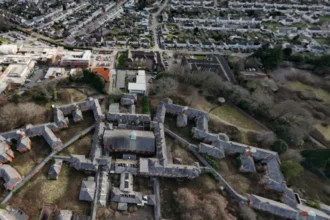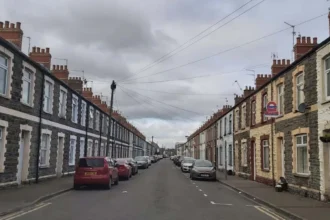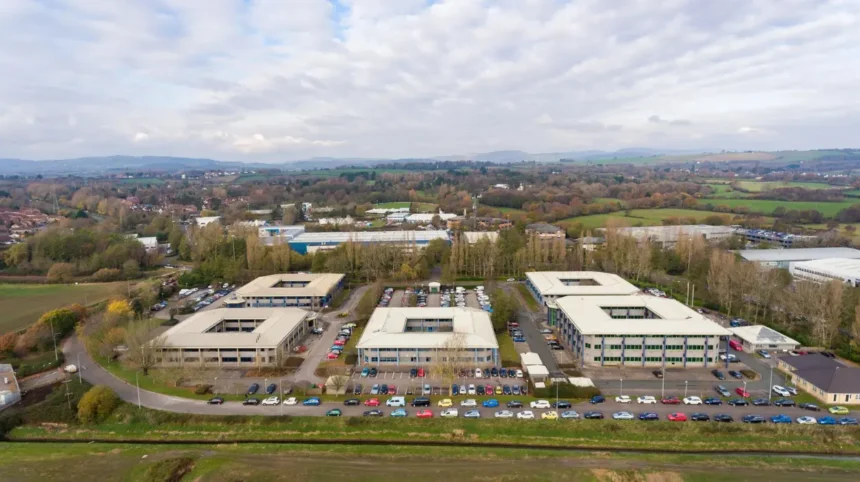
Cardiff’s eastern suburbs form an important part of the city’s wider economic geography. The area includes Rumney, Llanrumney, Trowbridge, St Mellons, Old St Mellons, Pontprennau, Pentwyn and the Newport Road corridor, with commercial activity extending towards the Cardiff–Newport boundary.
- What does business growth in Cardiff’s eastern suburbs mean?
- Why are Cardiff’s eastern suburbs important to the city’s economy?
- How did business development develop across eastern Cardiff?
- Which areas are driving business growth in eastern Cardiff?
- How does St Mellons support technology and high-value business growth?
- How does transport infrastructure affect business growth in eastern Cardiff?
- What is Hendre Lakes and why is it important for eastern Cardiff?
- How do planning policies shape business growth in eastern Cardiff?
- What types of businesses are expanding in eastern Cardiff?
- How does Cardiff support businesses that want to grow?
- How does housing growth influence eastern Cardiff’s business economy?
- What challenges could affect business growth in eastern Cardiff?
- What is the future outlook for business growth in eastern Cardiff?
- Why does eastern Cardiff matter to the wider Cardiff Capital Region?
Business growth in eastern Cardiff is closely connected to employment land, transport infrastructure, housing development, industrial estates, technology businesses and access to the wider Cardiff Capital Region. Cardiff Council identifies South of St Mellons Business Park as a strategic employment site, while St Mellons already contains established business parks and technology-focused premises.
The eastern suburbs therefore have a distinct role within Cardiff’s economy. They combine established employment locations with planned development areas and established residential communities. New infrastructure, business support and sustainable transport investment are also shaping the conditions for future growth.
What does business growth in Cardiff’s eastern suburbs mean?
Business growth in eastern Cardiff means expansion of commercial activity, employment, investment and business premises across areas such as St Mellons, Rumney, Llanrumney, Trowbridge, Pontprennau and Pentwyn, supported by infrastructure, skills, planning and regional economic connections.
Business growth is broader than the opening of new shops or offices. It includes the creation of employment space, expansion of existing companies, development of industrial premises, technology investment, new commercial services and improvements to transport infrastructure.
The eastern suburbs have an established employment base. St Mellons Business Park is one of Cardiff’s recognised business locations, while Cardiff Gate provides another major commercial concentration close to the M4 corridor.
Cardiff Council’s planning framework identifies South of St Mellons Business Park as a strategic employment site. This gives the area a specific role in accommodating employment uses rather than treating it solely as a residential expansion area.
Business growth also connects eastern Cardiff to the wider Cardiff Capital Region, which links Cardiff with neighbouring authorities and regional economic infrastructure.
The significance of this geography comes from its position between Cardiff’s urban economy and the M4 corridor towards Newport, Bristol and South-East Wales.
Why are Cardiff’s eastern suburbs important to the city’s economy?
Cardiff’s eastern suburbs are important because they connect residential communities, employment sites, technology businesses, retail locations and the M4 corridor. St Mellons, Cardiff Gate, Rumney and surrounding areas provide commercial capacity outside the city centre while supporting Cardiff’s regional economy.
Cardiff is the capital of Wales and the principal economic centre of the Cardiff Capital Region. Cardiff Council describes the city as central to Welsh economic growth, job creation, investment and innovation.
The city’s economic role creates demand for employment locations beyond the central business district. Eastern Cardiff provides part of that capacity.
St Mellons is particularly significant because it developed as an established business location. Government research into Cardiff’s employment land identified 31 hectares at St Mellons Business Park and separately identified the strategic employment allocation south of the business park.
Cardiff Gate is another established commercial location. Government data identifies 34 hectares at Cardiff Gate Business Park within Cardiff’s employment land portfolio.
The eastern corridor also contains Newport Road retail and commercial activity. Its position provides businesses with access to a large urban customer base and established road connections.
Residential areas such as Rumney, Llanrumney and Trowbridge strengthen the local labour and consumer base. Cardiff Council groups these three communities within its Cardiff East neighbourhood planning area.
How did business development develop across eastern Cardiff?
Eastern Cardiff’s business development evolved from industrial and commercial activity along major transport corridors into a mixed economic area containing business parks, technology premises, retail locations and strategic employment land connected to Cardiff’s wider urban expansion.
The history of eastern Cardiff’s economic development is closely associated with transport access and urban growth.
The Newport Road corridor has long provided a major east-west connection between central Cardiff and communities towards Newport. Commercial uses developed alongside this movement corridor.
St Mellons subsequently became an important employment location. The area’s business parks created space for offices, technology businesses and other commercial activities outside the traditional city centre.
Technology-related development has also formed part of St Mellons’ economic identity. A Welsh Government record from 2016 described the Compound Semiconductor Centre in St Mellons as operational, with 65 employees at the time and plans for expansion.
The council’s managed business-unit portfolio also includes Willowbrook Technology Park in St Mellons. Cardiff Council describes its workshop and business starter units as facilities intended to encourage new and expanding local businesses.
Earlier investment at Willowbrook demonstrates the area’s long-term role in supporting smaller technology-oriented companies. Welsh Government records show investment in additional technology units at St Mellons designed to provide premises for high-technology businesses and enable companies to progress from incubator space.
This history created an economic foundation for further business growth.
Which areas are driving business growth in eastern Cardiff?
St Mellons, Cardiff Gate, Rumney, Llanrumney, Trowbridge, Pontprennau, Pentwyn and the Newport Road corridor form the principal eastern Cardiff locations connected to business activity, employment, retail, technology, housing growth and strategic transport infrastructure.
St Mellons
St Mellons is the strongest employment-focused location in eastern Cardiff. It contains established business premises and technology facilities.
The council’s current major-development monitoring identifies South of St Mellons Business Park as a strategic employment site.
Cardiff Gate
Cardiff Gate Business Park sits close to the M4 and functions as a major commercial location. Government employment-land data records the business park at approximately 34 hectares.
Rumney
Rumney combines established residential communities with commercial activity and proximity to the Newport Road corridor. It also forms part of the planned Cycleway 2 connection between central Cardiff and St Mellons Business Park.
Llanrumney and Trowbridge
Llanrumney and Trowbridge are predominantly residential communities but form part of Cardiff East’s wider economic geography. Their populations provide workers and consumers for businesses across the eastern corridor.
Pontprennau and Pentwyn
Pontprennau and Pentwyn sit within Cardiff’s expanding north-eastern urban area. Their proximity to employment sites, strategic roads and newer residential development creates connections between housing growth and economic activity.
Newport Road
The Newport Road corridor contains retail, commercial and service businesses. Its accessibility makes it an important economic connection between central Cardiff, eastern neighbourhoods and the wider M4 corridor.
How does St Mellons support technology and high-value business growth?
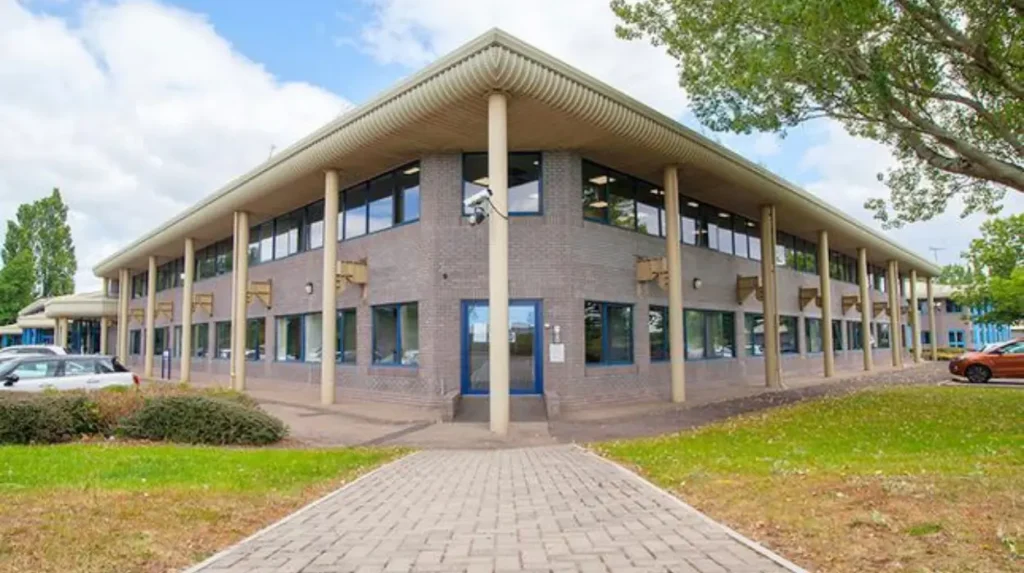
St Mellons supports technology and high-value business growth through established business parks, technology premises, research-oriented activity and access to Cardiff’s skilled workforce. Its employment land also provides space for companies requiring modern commercial premises outside the central Cardiff office market.
St Mellons has a distinctive technology and innovation history.
The Compound Semiconductor Centre helped establish the area as part of Wales’ advanced technology ecosystem. Compound semiconductors are electronic materials used in applications such as communications, sensing and high-performance electronics.
Welsh Government records connected the St Mellons centre with the development of Wales’ compound semiconductor cluster. The wider programme included the proposed Compound Semiconductor Applications Catapult and significant public and industry investment.
The area’s business premises also support smaller enterprises.
Cardiff Council operates managed workshop and business starter units designed to provide flexible commercial premises for new and expanding companies. The portfolio includes Willowbrook Technology Park in St Mellons, with units ranging from small workshops to larger business spaces elsewhere across the council portfolio.
This type of commercial infrastructure matters because business growth requires more than access to finance. Companies need suitable premises at different stages of development.
A start-up can require a small unit. An established technology company can require laboratories, offices or specialist production space. A growing company requires additional floorspace without relocating away from its workforce and customer base.
St Mellons therefore has an established mechanism for supporting business progression.
How does transport infrastructure affect business growth in eastern Cardiff?
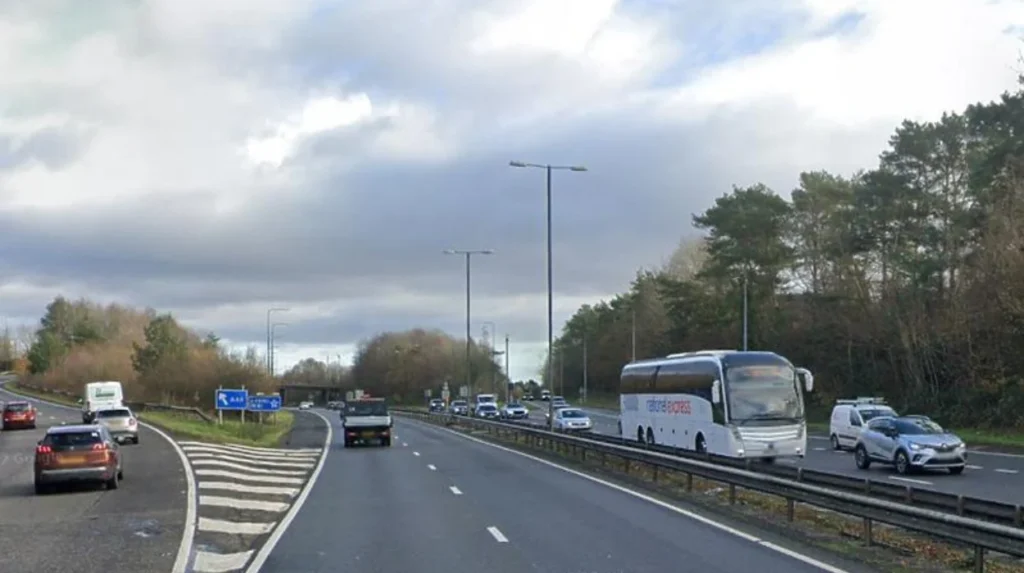
Transport infrastructure directly affects eastern Cardiff’s business growth by connecting companies with workers, customers, suppliers and regional markets. The M4, Newport Road, public transport, active-travel routes and planned railway infrastructure all influence commercial accessibility.
Transport accessibility is one of eastern Cardiff’s strongest economic characteristics.
The M4 provides a strategic east-west connection through South Wales. Business locations close to the motorway benefit from access towards Cardiff, Newport and the wider South-West England market.
Cardiff Council states that approximately 1.6 million people are within a 45-minute drive of Cardiff, demonstrating the size of the wider labour and consumer catchment connected to the city.
Active travel infrastructure is also developing.
Cardiff Council’s Cycleway 2 is planned to connect the city centre with Adamsdown, Newport Road retail parks, Rumney, Llanrumney and St Mellons Business Park.
This route is economically relevant because employees need alternatives to private cars. Better walking and cycling connections also improve access between residential communities and employment locations.
Rail infrastructure is another major factor.
In February 2025, the Welsh Government confirmed planning permission for the Hendre Lakes Business Park and Railway Station development on land south of St Mellons Business Park, subject to conditions.
The development demonstrates the close relationship between employment growth and transport planning.
A railway station connected to a major employment development can improve access for workers travelling from Cardiff, Newport and surrounding communities. It also supports the principle of concentrating employment around sustainable transport infrastructure.
What is Hendre Lakes and why is it important for eastern Cardiff?
Hendre Lakes is a major planned development south of St Mellons Business Park combining employment development with a proposed railway station. Welsh Government granted planning permission in February 2025, subject to conditions, establishing an important future growth opportunity for eastern Cardiff.
Hendre Lakes represents a significant stage in the development of Cardiff’s eastern employment corridor.
The site is located south of St Mellons Business Park. Its approved proposal combines business development with railway infrastructure, directly linking economic development with regional connectivity.
The project has a long planning history.
Earlier Welsh Government documents identified Hendre Lakes as a major development proposal and recorded its consideration through the planning process.
The February 2025 decision provides the most important recent planning milestone. The Welsh Government confirmed that the First Minister had granted planning permission following consideration of the called-in application.
The significance extends beyond the individual site.
South of St Mellons was already identified as a strategic employment location within Cardiff’s development framework. Earlier economic assessments described the allocation as 31 hectares of employment space and highlighted its proximity to the strategic highway network and its potential for high-value and knowledge-based sectors.
Hendre Lakes therefore fits an established planning direction rather than representing an isolated development.
Its importance rests on the combination of employment space and transport connectivity.
How do planning policies shape business growth in eastern Cardiff?
Planning policies shape eastern Cardiff’s business growth by allocating employment land, controlling development, coordinating infrastructure and connecting new commercial areas with housing, transport, schools, community facilities and green space through Cardiff’s Local Development Plan framework.
Cardiff’s Local Development Plan, or LDP, provides the land-use framework for development across the city.
The plan allocates strategic sites for housing and employment and establishes policies controlling how land is developed.
Cardiff Council currently monitors eight strategic sites containing at least 500 dwellings or significant employment uses. The monitoring framework includes South of St Mellons Business Park as a strategic employment site.
This approach is important because commercial development requires supporting infrastructure.
A business park needs road access, utilities, digital connectivity, drainage, public transport and appropriate environmental management. Employees also need housing, schools, shops and community services.
Cardiff Council states that its strategic-site approach incorporates supporting infrastructure such as sustainable transport corridors, schools, community facilities and green spaces.
Planning therefore determines where economic growth occurs and how that growth integrates with surrounding communities.
Businesses considering premises in eastern Cardiff also need to understand planning permissions, use classes, highways requirements and development constraints.
Cardiff Council provides planning application and policy information through its planning service, including development management, planning policy and major development monitoring.
What types of businesses are expanding in eastern Cardiff?
Eastern Cardiff supports a broad commercial base including technology companies, professional services, industrial businesses, retail operators, logistics-related activity, workshops and local service businesses, with St Mellons particularly associated with technology and employment-space development.
The economic structure of eastern Cardiff is diverse.
Technology businesses have a strong presence in St Mellons. The area’s technology facilities provide premises for companies operating in innovation-focused sectors.
Professional and office-based businesses also occupy commercial premises across St Mellons and Cardiff Gate.
Industrial and distribution activity benefits from access to the M4 and major Cardiff roads. Commercial locations near strategic transport corridors are particularly suitable for businesses that move goods, equipment or personnel.
Retail forms another part of the eastern economy. Newport Road and surrounding retail areas serve established residential communities and provide everyday consumer services.
Small businesses are supported through managed commercial units. Cardiff Council operates 140 workshops across nine sites, with units ranging from 120 to 2,000 square feet. Its portfolio includes Lamby Workshops in Rumney and Willowbrook Technology Park in St Mellons.
This range of premises supports different stages of business development.
The distinction between business sectors also matters for employment. Technology and professional services typically require specialised skills. Retail and hospitality depend more heavily on local consumer demand. Industrial and logistics operations require road access, suitable premises and operational space.
Eastern Cardiff’s strength comes from accommodating these different business requirements within one connected urban area.
How does Cardiff support businesses that want to grow?
Cardiff supports business growth through financial programmes, business advice, skills initiatives, innovation support, commercial premises and regional investment partnerships involving Cardiff Council, Welsh Government and the Cardiff Capital Region.
Businesses in eastern Cardiff can access citywide support rather than relying only on local-area programmes.
Cardiff Council provides business advice covering finance, grants, loans, equity, local agencies, academic institutions, innovation, sector support, skills, recruitment and training.
The council also operates a Cardiff Growth Fund.
The published Cardiff Growth Fund framework supports eligible established Cardiff businesses with growth projects. The programme identifies job creation, productivity, turnover, market share and community opportunities as important outcomes. Grants listed under the programme range from £2,500 to £20,000, with higher-value strategic applications considered separately.
Eligibility conditions apply. The published criteria include an established trading history of more than two years, a Cardiff business address and SME status, alongside financial requirements.
Regional investment is also becoming increasingly important.
Cardiff Council states that Wales’ Local Growth Fund allocation is £546.5 million for 2026–2029. The fund’s three investment priorities are research, development and innovation/business competitiveness; skills and employment; and strategic infrastructure.
These priorities directly correspond with the requirements of eastern Cardiff’s growing employment areas.
How does housing growth influence eastern Cardiff’s business economy?
Housing growth influences eastern Cardiff’s business economy by increasing the local workforce, consumer population and demand for services. Communities such as Rumney, Llanrumney, Trowbridge, Pontprennau and surrounding areas connect residential development with employment and commercial demand.
Business growth and housing development operate as connected economic processes.
More residents create demand for shops, childcare, professional services, leisure businesses, healthcare services and transport.
A larger local workforce also improves recruitment opportunities for nearby employers.
Cardiff Council’s neighbourhood planning framework identifies Llanrumney, Rumney and Trowbridge as Cardiff East.
The wider north-eastern part of Cardiff is also experiencing strategic development. Cardiff Council identifies North East Cardiff and the East of Pontprennau Link Road among its strategic development sites. The council’s monitoring framework associates these areas with thousands of planned homes and supporting employment or community uses.
This approach aims to prevent housing growth from becoming disconnected from economic infrastructure.
Employment locations need workers. Workers need homes. Homes need services. Businesses need customers.
The economic relationship becomes particularly important in areas such as Pontprennau and St Mellons, where housing, employment land and strategic infrastructure are located within the same broad eastern growth corridor.
What challenges could affect business growth in eastern Cardiff?
Eastern Cardiff’s business growth faces challenges involving congestion, infrastructure capacity, development costs, skills, housing affordability, environmental requirements and the need to distribute economic benefits across communities while maintaining sustainable and well-connected development.
Economic growth does not remove infrastructure pressures.
Cardiff Council’s recent financial reporting identifies congestion, air pollution and demand for affordable housing as pressures associated with the city’s economic success.
Congestion is particularly relevant to eastern Cardiff because the area contains employment locations connected to major roads.
Business parks with high car dependency can experience pressure during peak commuting periods. Sustainable transport therefore becomes an economic issue rather than only an environmental issue.
Skills represent another challenge.
Technology, engineering and professional-service companies require appropriately trained employees. Continued investment in skills, apprenticeships, graduate recruitment and workforce development supports productivity.
Housing affordability also influences recruitment. Employees who cannot access suitable housing within reasonable travel distances face higher commuting costs and longer journeys.
Environmental requirements form another part of modern development.
New commercial schemes must address drainage, biodiversity, carbon reduction, air quality, transport and green infrastructure requirements under the planning framework.
The challenge is therefore to expand employment space while improving the infrastructure that makes those jobs accessible.
Explore More Area Guide
How Local Markets Support Cardiff Communities
Cardiff High Streets Making a Comeback Across the City 2026
What is the future outlook for business growth in eastern Cardiff?
The future of eastern Cardiff’s business growth is centred on strategic employment land, Hendre Lakes, improved transport connections, technology activity, regional investment and stronger links between housing and employment across the Cardiff Capital Region.
Eastern Cardiff has a substantial development pipeline and established economic foundations.
The most important future development is the Hendre Lakes Business Park and Railway Station, for which Welsh Government granted planning permission in February 2025 subject to conditions.
The continued role of South of St Mellons as a strategic employment site provides an established planning basis for employment growth.
Transport investment also remains central.
Cycleway 2 is planned to connect central Cardiff with Newport Road retail areas, Rumney, Llanrumney and St Mellons Business Park.
At regional level, the Local Growth Fund for 2026–2029 places emphasis on productivity, innovation, skills, employment and strategic infrastructure.
These priorities align closely with the economic needs of eastern Cardiff.
The future economic model is therefore not based solely on adding more commercial buildings. It depends on coordinated investment in employment land, transport, digital infrastructure, skills, housing and community facilities.
Eastern Cardiff is positioned to remain an important part of Cardiff’s economic expansion because it already contains established business parks, technology activity, residential communities and strategic employment land.
Why does eastern Cardiff matter to the wider Cardiff Capital Region?
Eastern Cardiff matters to the Cardiff Capital Region because its employment sites connect the capital with Newport and the wider South Wales economy, while its strategic land, transport infrastructure and growing communities provide capacity for future investment and employment.
The Cardiff Capital Region is the economic partnership covering Cardiff and neighbouring local authorities in South-East Wales.
Cardiff sits at the centre of this regional economy. Eastern Cardiff provides an important geographical link towards Newport and the M4 corridor.
The economic relationship is especially visible at St Mellons.
Its business parks provide employment capacity. Its location supports regional road connectivity. Its technology facilities support innovation. Its strategic employment allocation creates additional development capacity.
Hendre Lakes strengthens this relationship by combining business development with railway infrastructure.
Cardiff Council’s wider economic strategy also emphasises investment, innovation, job creation and sustainable growth.
This makes eastern Cardiff more than a collection of suburban neighbourhoods.
It is an economic corridor connecting homes, employment, transport, technology, retail and regional markets.
For businesses, the area’s significance lies in access to workers, customers, infrastructure and markets. For Cardiff, its significance lies in providing employment capacity and supporting balanced growth outside the city centre.
The long-term success of eastern Cardiff will depend on whether new development remains connected to sustainable transport, skills, housing and community infrastructure.
With established business locations, strategic employment land, technology activity and approved major development, eastern Cardiff has a defined role in Cardiff’s continuing economic development.
What are Cardiff’s eastern suburbs?
Cardiff’s eastern suburbs include areas such as St Mellons, Rumney, Llanrumney, Trowbridge, Pontprennau, Pentwyn and Old St Mellons. These communities contain residential areas, retail locations, business parks and strategic employment sites.