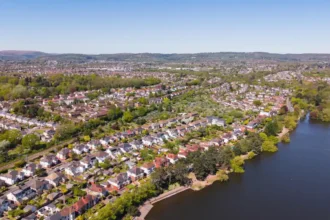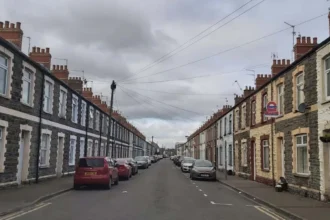
Parking shortages in Heath suburb refer to the imbalance between available parking spaces and the number of vehicles requiring them, resulting in congestion, illegal parking, and reduced accessibility for residents, businesses, and visitors across residential streets, commercial zones, and public facilities.
- Why does Heath suburb experience parking shortages?
- How do parking shortages affect residents in Heath suburb?
- What impact do parking shortages have on local businesses in Heath suburb?
- How do parking shortages contribute to traffic congestion in Heath suburb?
- What role does urban planning play in parking shortages in Heath suburb?
- What are the environmental impacts of parking shortages in Heath suburb?
- What solutions can address parking shortages in Heath suburb?
- How can technology improve parking management in Heath suburb?
- What is the future outlook for parking in Heath suburb?
Parking shortages in suburban areas such as Heath emerge when infrastructure fails to match population growth and vehicle ownership trends. A suburb represents a residential district located on the outskirts of a city, often designed with lower density and limited transport alternatives. Heath suburb follows this pattern, where reliance on private vehicles remains high due to insufficient public transport integration.
The shortage manifests in several ways including overcrowded streets, double parking, blocked driveways, and increased traffic circulation as drivers search for available spots. These conditions affect both residential neighborhoods and commercial corridors. Local planning frameworks define parking supply through zoning regulations, yet these standards often lag behind actual demand growth.
Urban transport studies show that suburban households own an average of 1.5 to 2.5 vehicles per household depending on income and commuting patterns. When infrastructure is designed for lower ownership rates, shortages become inevitable. Heath suburb demonstrates this mismatch between planning assumptions and real-world usage.
The issue extends beyond inconvenience. It affects safety, economic activity, and environmental sustainability. Understanding the causes and mechanisms behind parking shortages allows for targeted, long-term solutions that align with modern urban mobility trends.
Why does Heath suburb experience parking shortages?
Heath suburb experiences parking shortages due to rapid population growth, increased vehicle ownership, limited infrastructure expansion, outdated zoning regulations, and insufficient public transportation systems, which collectively create demand levels that exceed available parking capacity across residential and commercial areas.
Population growth remains the primary driver of parking demand. Census data from suburban regions globally indicates annual growth rates between 1.5 percent and 3 percent. Heath suburb reflects similar expansion patterns, with housing developments increasing density without proportional parking infrastructure upgrades.
Vehicle ownership rates continue to rise due to economic growth and affordability of cars. In many suburban regions, over 80 percent of households rely on private vehicles for commuting. Public transportation limitations further reinforce dependence on cars. When bus frequency, coverage, and connectivity remain inadequate, residents default to personal vehicles.
Zoning regulations define how many parking spaces must be provided per property. These rules often remain unchanged for decades. For example, older standards may require one space per dwelling, while current usage demands two or more. This regulatory lag creates structural shortages that cannot be corrected without policy reform.
Commercial development also contributes to demand spikes. Retail centers, schools, healthcare facilities, and offices attract external visitors, increasing parking pressure beyond residential needs. Peak demand periods, such as school drop-off hours or weekend shopping times, intensify shortages.
Infrastructure constraints limit expansion. Suburban layouts prioritize housing over parking facilities. Streets remain narrow, and land availability restricts construction of parking lots or multi-level structures. This imbalance between land use and mobility demand creates persistent shortages.
How do parking shortages affect residents in Heath suburb?
Parking shortages affect residents in Heath suburb by increasing daily stress, reducing accessibility, causing conflicts among neighbors, raising safety concerns, and limiting mobility, particularly for elderly individuals, families, and people with disabilities who require reliable and nearby parking access.
Daily inconvenience represents the most immediate impact. Residents spend additional time searching for parking spaces, often circling streets multiple times. Transport research indicates that drivers can spend up to 15 minutes per trip searching for parking in congested suburban areas.
Safety concerns increase due to illegal or improper parking. Vehicles parked on sidewalks block pedestrian pathways, forcing people onto roads. Emergency vehicle access becomes restricted when streets are congested. Fire trucks and ambulances require clear passage, and blocked roads delay response times.
Social conflict arises among residents competing for limited spaces. Disputes over parking rights, unauthorized use of private driveways, and territorial behavior become common. These conflicts reduce community cohesion and create tension within neighborhoods.
Accessibility challenges disproportionately affect vulnerable groups. Elderly residents and individuals with mobility impairments require parking close to their homes. When spaces are unavailable, their independence and quality of life decline. Families with young children face similar difficulties when transporting strollers and groceries over long distances.
Economic costs also impact households. Some residents resort to renting private parking spaces or garages, increasing monthly expenses. Others invest in home modifications to create off-street parking, which involves significant construction costs.
What impact do parking shortages have on local businesses in Heath suburb?
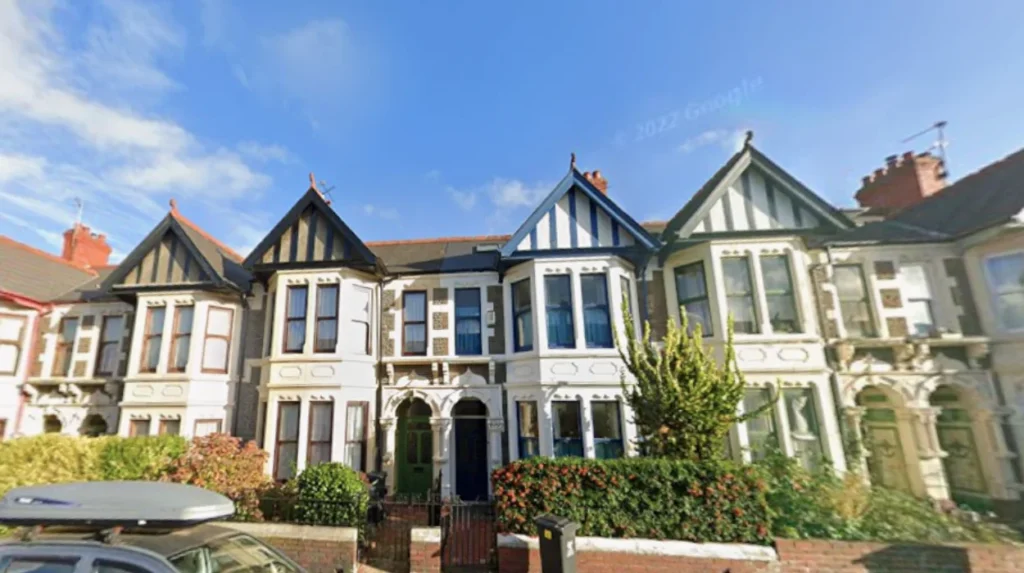
Parking shortages negatively impact local businesses in Heath suburb by reducing customer access, limiting foot traffic, decreasing sales revenue, and discouraging repeat visits, particularly in retail, dining, and service sectors that depend on convenient parking availability for short-term visits.
Retail businesses rely on high customer turnover and accessibility. When parking is limited, potential customers avoid areas where they anticipate difficulty finding spaces. Studies in suburban retail environments show that convenient parking availability directly correlates with higher sales volumes.
Restaurants and cafes experience reduced patronage during peak hours. Customers prefer locations where parking is easily accessible. Limited parking discourages spontaneous visits, which are critical for hospitality businesses. This effect becomes more pronounced during weekends and evenings.
Service-based businesses such as clinics, salons, and repair shops require reliable parking for appointments. Clients arriving late due to parking delays disrupt scheduling efficiency. Missed appointments increase operational inefficiencies and reduce revenue.
Employee parking also becomes a challenge. Staff members compete with customers for limited spaces, creating operational conflicts. Some businesses must allocate private parking for employees, reducing customer parking availability.
Long-term economic impacts include reduced business investment in affected areas. Investors prioritize locations with better infrastructure and accessibility. Persistent parking shortages can lead to commercial stagnation and reduced economic growth within the suburb.
How do parking shortages contribute to traffic congestion in Heath suburb?
Parking shortages contribute to traffic congestion in Heath suburb by increasing vehicle circulation as drivers search for spaces, causing bottlenecks on narrow streets, disrupting traffic flow, and creating additional delays that compound peak-hour congestion across residential and commercial zones.
Cruising for parking represents a significant contributor to congestion. Transport studies estimate that up to 30 percent of urban traffic consists of drivers searching for parking. In suburban contexts like Heath, this percentage remains substantial due to limited alternatives.
Street design amplifies the problem. Suburban roads often lack dedicated turning lanes or sufficient width to accommodate parked vehicles and moving traffic simultaneously. Double parking and illegal stopping reduce effective road capacity, leading to slow-moving traffic.
Intersection delays increase when vehicles queue or stop unexpectedly. Drivers waiting for parking spaces block intersections and disrupt signal timing efficiency. This effect spreads congestion beyond localized areas.
Peak-hour congestion intensifies due to overlapping demand from residents, commuters, and visitors. Morning and evening periods experience the highest pressure, particularly near schools, transport hubs, and commercial centers.
Environmental impacts follow congestion patterns. Increased idling and stop-and-go traffic raise fuel consumption and emissions. Carbon dioxide emissions increase significantly when vehicles operate inefficiently in congested conditions.
What role does urban planning play in parking shortages in Heath suburb?
Urban planning plays a central role in parking shortages in Heath suburb by determining land use patterns, parking standards, transport infrastructure, and development density, which collectively shape the balance between parking supply and vehicle demand over time.
Urban planning defines how land is allocated between residential, commercial, and public uses. In many suburban areas, planning prioritizes housing expansion without proportional infrastructure upgrades. This imbalance leads to insufficient parking capacity.
Parking standards represent a key planning tool. These standards specify the minimum number of spaces required per building type. Outdated standards fail to reflect modern vehicle ownership patterns. For example, single-family homes may require more spaces than originally planned decades ago.
Transit-oriented development strategies aim to reduce reliance on private vehicles. However, in suburbs like Heath, limited public transport reduces the effectiveness of such strategies. Without reliable alternatives, residents continue to depend on cars.
Mixed-use development influences parking demand. Areas combining residential, retail, and office spaces experience overlapping parking needs. Proper planning can optimize shared parking usage, but poor coordination results in shortages.
Infrastructure investment decisions affect long-term outcomes. Lack of investment in multi-level parking structures, public transport, and smart parking systems contributes to persistent shortages. Planning authorities must align policies with evolving mobility trends.
What are the environmental impacts of parking shortages in Heath suburb?
Parking shortages in Heath suburb increase environmental impacts by raising vehicle emissions, contributing to air pollution, increasing fuel consumption, and intensifying urban heat effects due to inefficient traffic patterns and excessive reliance on private vehicles for daily transportation.
Vehicle emissions increase when drivers spend additional time searching for parking. Idling engines produce carbon dioxide, nitrogen oxides, and particulate matter. These pollutants contribute to air quality deterioration and public health risks.
Fuel consumption rises due to inefficient driving patterns. Stop-and-go traffic and extended cruising reduce fuel efficiency. Studies indicate that urban driving conditions can increase fuel usage by up to 30 percent compared to steady driving.
Urban heat effects intensify due to increased paved surfaces and vehicle activity. Parking areas absorb and retain heat, raising local temperatures. This phenomenon contributes to the urban heat island effect, which affects comfort and energy consumption.
Noise pollution also increases. Frequent acceleration, braking, and honking create higher noise levels, affecting residential quality of life. Prolonged exposure to traffic noise has documented health impacts, including stress and sleep disruption.
Environmental sustainability requires reducing vehicle dependency and improving infrastructure efficiency. Addressing parking shortages forms part of broader strategies to minimize environmental impact in suburban areas.
What solutions can address parking shortages in Heath suburb?
Effective solutions for parking shortages in Heath suburb include infrastructure expansion, smart parking systems, policy reforms, improved public transportation, and community-based strategies that optimize existing spaces while reducing overall demand for private vehicle use.
Infrastructure expansion involves building additional parking facilities. Examples include multi-level parking structures, underground garages, and designated parking zones. These solutions increase capacity without requiring extensive land use.
Smart parking systems use technology to optimize space utilization. Examples include real-time parking availability apps, sensor-based monitoring, and digital payment systems. These tools reduce time spent searching for parking and improve efficiency.
Policy reforms address structural issues. Examples include updating zoning regulations, implementing residential parking permits, and introducing time-restricted parking. These measures regulate demand and ensure fair distribution of available spaces.
Public transportation improvements reduce reliance on private vehicles. Examples include increased bus frequency, expanded routes, and integration with regional transit networks. Reliable alternatives decrease parking demand.
Community-based strategies involve shared parking agreements and carpooling initiatives. Examples include shared use of commercial parking during off-peak hours and neighborhood coordination for space allocation. These approaches maximize existing resources.
How can technology improve parking management in Heath suburb?

Technology improves parking management in Heath suburb by enabling real-time monitoring, data-driven planning, automated enforcement, and user-friendly navigation systems that enhance efficiency, reduce congestion, and optimize the use of available parking spaces.
Real-time monitoring systems use sensors to track parking availability. These systems provide accurate data on occupancy levels, allowing drivers to locate spaces quickly. Reduced search time decreases congestion and emissions.
Mobile applications enhance user experience. Drivers access information on available spaces, pricing, and restrictions through smartphones. Navigation features guide users directly to open spots, improving efficiency.
Data analytics supports planning decisions. Authorities analyze usage patterns to identify peak demand periods and high-pressure areas. This data informs infrastructure investment and policy adjustments.
Automated enforcement systems ensure compliance with parking regulations. Examples include license plate recognition and digital ticketing. These systems reduce illegal parking and improve turnover rates.
Integration with smart city initiatives enhances overall urban management. Parking systems connect with traffic management, public transport, and environmental monitoring systems to create a cohesive mobility network.
What is the future outlook for parking in Heath suburb?
The future of parking in Heath suburb involves a transition toward reduced vehicle dependency, increased adoption of smart mobility solutions, policy-driven demand management, and integration with sustainable urban planning practices that prioritize efficiency, accessibility, and environmental responsibility.
Urban mobility trends indicate a gradual shift away from private vehicle dominance. Shared mobility services, including ride-sharing and car-sharing, reduce the need for individual car ownership. This trend decreases parking demand over time.
Electric vehicles influence parking infrastructure requirements. Charging stations become essential components of parking facilities. Integration of charging infrastructure supports sustainable transportation goals.
Autonomous vehicle technology introduces new dynamics. Self-driving vehicles reduce the need for long-term parking by enabling continuous circulation or remote parking. This development changes traditional parking demand patterns.
Policy-driven approaches emphasize demand management. Congestion pricing, parking fees, and restricted zones regulate vehicle usage. These measures encourage alternative transport modes and optimize existing infrastructure.
Sustainable urban planning prioritizes mixed-use development and public transport integration. Heath suburb can adopt these strategies to create a balanced mobility ecosystem. Long-term planning ensures resilience and adaptability to changing trends.
Why is parking in Cardiff so expensive
Cardiff’s parking costs are driven by high demand, limited spaces, and urban growth. In suburbs like Heath, residential overcrowding worsens shortages. Council-managed zones and permit schemes add fees, making parking costly for residents and visitors navigating the city’s constrained infrastructure daily.
What are the environmental issues in Cardiff?
Cardiff faces air pollution, traffic congestion, and carbon emissions, largely fuelled by car dependency. In Heath suburb, parking shortages force drivers to circle streets, increasing emissions. Flooding risks and green space loss also threaten Cardiff’s environmental sustainability as urban development continues expanding rapidly.
Why is Cardiff so famous?
Cardiff is famous as Wales’s vibrant capital, home to Cardiff Castle, the Principality Stadium, and a rich cultural heritage. Its growing population and popularity have intensified urban pressures, including parking shortages in residential suburbs like Heath, highlighting challenges tied to the city’s rising prominence.
What is crime like in Cardiff?
Cardiff has moderate crime levels typical of a UK capital. Parking shortages in Heath suburb indirectly contribute to antisocial behaviour, with illegally parked vehicles blocking roads and causing disputes. Improved parking management and solutions can reduce community tensions and enhance neighbourhood safety effectively.
What language is spoken in Cardiff?
English is predominantly spoken in Cardiff, though Welsh is actively promoted and widely visible on signage, including parking notices. In Heath suburb, bilingual parking restriction signs reflect Wales’s commitment to preserving the Welsh language while addressing practical urban challenges like chronic parking shortages.
Does Cardiff have a major airport?
Cardiff Airport, located about 19 kilometres from the city centre, serves as Wales’s primary international airport. Its accessibility relies heavily on road transport, increasing vehicle usage in suburbs like Heath. Better public transport links could ease parking shortages by reducing car dependency across Cardiff significantly.