Public transport woes for Ely commuters stem from a combination of critical rail bottlenecking at the Ely North Junction and recent reductions in regional bus frequency. These infrastructure limitations restrict economic growth and increase daily travel times for Cambridgeshire residents.
- How Does the Ely North Junction Capacity Constraint Impact Rail Services?
- What Role Do Bus Service Reductions Play in Local Transport Challenges?
- How Does Increasing Freight Traffic Affect the Commuter Experience in Ely?
- What Infrastructure Projects Are Proposed to Resolve These Transport Issues?
- How Do Public Transport Woes Impact the Regional Economy and Housing?
- What Are the Environmental Implications of Poor Public Transport in Ely?
- What Future Developments Might Improve the Commuter Experience in Ely?
Ely is a market town in Cambridgeshire, England, situated approximately 14 miles north of Cambridge. It serves as a vital junction for the UK railway network, connecting the Port of Felixstowe to the Midlands and the North. Public transport woes for Ely commuters occur because the existing track configuration cannot accommodate the high volume of passenger and freight trains. The infrastructure at Ely North Junction involves five lines merging into a single point, creating a significant capacity constraint. This bottleneck affects services provided by operators such as Great Northern, Greater Anglia, and CrossCountry. Commuters face frequent cancellations and delays as freight traffic is prioritized to maintain national supply chains.
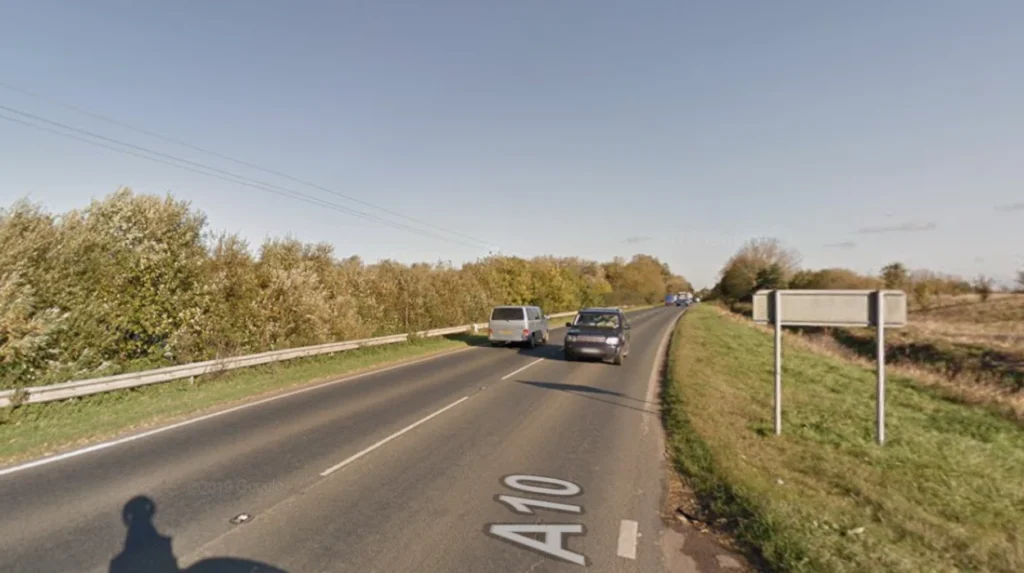
Bus services in the region have also seen a 25 percent reduction in route coverage since 2010. This decline forces more residents to rely on private vehicles, worsening congestion on the A10 road. The lack of reliable alternatives makes the commute into Cambridge or London increasingly difficult for the local population. Government data indicates that over 80 percent of Ely residents work outside the town, highlighting the high demand for functional transit.
How Does the Ely North Junction Capacity Constraint Impact Rail Services?
The Ely North Junction constraint limits the number of trains that can pass through the station to six per hour. This restriction prevents the introduction of half hourly services to King’s Lynn and reduces the reliability of cross-country routes.
The Ely North Junction is a railway intersection where the Fen Line, Breckland Line, and Ely to Peterborough Line converge. It is a flat junction, meaning trains must cross paths on the same level, which requires significant spacing between movements. Current rail regulations prioritize freight movements from Felixstowe, which often take precedence over local commuter services during peak hours. This prioritization leads to a cascade of delays throughout the regional network, affecting stations such as Littleport and Waterbeach. Network Rail identifies this site as one of the most significant bottlenecks in the United Kingdom.
Because the junction operates at 100 percent capacity, any minor mechanical failure or signal issue causes a complete standstill. Commuters traveling to London King’s Cross or Liverpool Street experience inconsistent scheduling due to these systemic delays. The physical layout of the junction also limits the length of trains that can be accommodated at Ely station platforms. This results in overcrowding during the morning peak between 07:00 and 09:00. Without a grade-separated junction, where tracks cross at different levels, the capacity will remain fixed at current levels regardless of passenger demand.
What Role Do Bus Service Reductions Play in Local Transport Challenges?
Bus service reductions contribute to public transport woes by leaving rural villages near Ely without frequent connections to the town center. This loss of connectivity increases the cost of travel and isolates residents who do not own cars.
The Cambridgeshire and Peterborough Combined Authority manages the regional transport budget and oversees bus franchising efforts. Over the last decade, commercial operators like Stagecoach East have withdrawn from several non-profitable routes serving the Ely hinterland. These withdrawals affect villages such as Sutton, Little Downham, and Witchford, where bus frequency has dropped to once every two hours or less. Public transport woes for Ely commuters are exacerbated when evening services are cut, preventing workers from returning home after 18:00. The reduction in subsidies for rural routes means that fares have increased by 15 percent in real terms since 2018.
Many commuters now face a double-cost burden, paying for a bus to reach the station and then a rail fare. The lack of integrated ticketing between bus and rail providers further complicates the commuting experience. Students attending Long Road or Hills Road Sixth Form Colleges in Cambridge are particularly affected by these service gaps. When buses fail to arrive, residents are forced to use taxis, which cost significantly more than a standard bus fare. This systemic decline in bus reliability shifts the transit burden onto the local road network.
How Does Increasing Freight Traffic Affect the Commuter Experience in Ely?
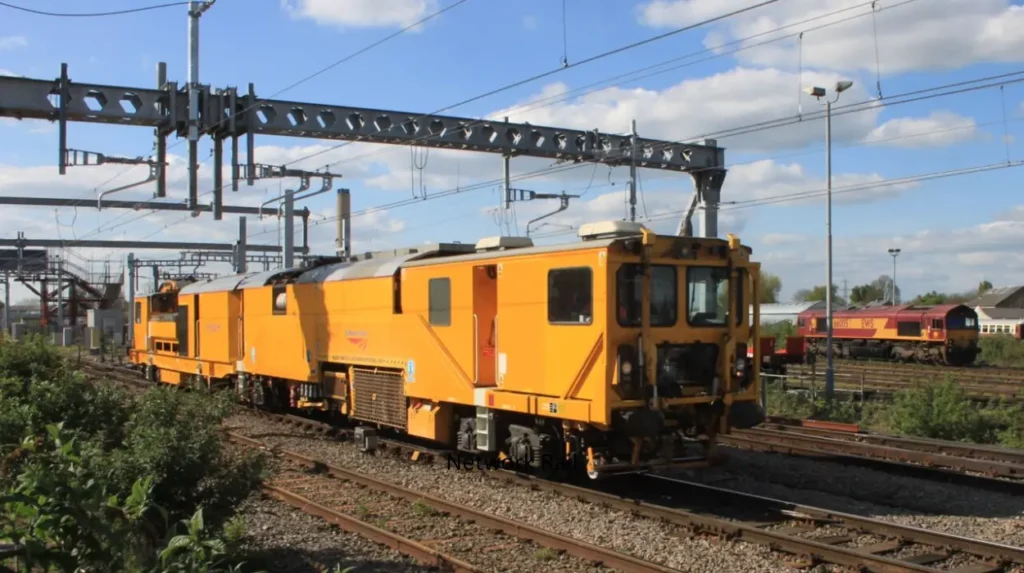
Freight traffic impacts Ely commuters by occupying essential track slots that would otherwise be used for passenger services. Long freight trains move slowly through the Ely North Junction, causing extended wait times at local level crossings.
The Port of Felixstowe handles approximately 40 percent of the container traffic entering and leaving the United Kingdom. A significant portion of this cargo travels by rail through Ely to reach distribution centers in the East Midlands and Yorkshire. These freight trains can be up to 775 meters in length, requiring long clearance times at the Ely North Junction. As freight demand increases, the number of available slots for passenger trains decreases proportionally. Public transport woes for Ely commuters are visible at the Queen Adelaide level crossings, which remain closed for up to 40 minutes every hour. This closure disrupts local road traffic and creates a barrier for pedestrians and cyclists trying to access the station.
Network Rail data shows that freight volumes are expected to grow by 30 percent over the next decade. Without infrastructure upgrades, this growth will further displace passenger services on the Fen Line. The noise and vibration from heavy freight also impact the maintenance requirements of the track, leading to more frequent engineering works. These works often occur on weekends, forcing commuters to use rail replacement bus services. The tension between national economic interests and local commuting needs remains a primary source of frustration for the Ely community.
What Infrastructure Projects Are Proposed to Resolve These Transport Issues?
The Ely Area Capacity Enhancement (EACE) program is the primary proposed solution to resolve local transport issues. This project involves upgrading the Ely North Junction, remodeling station platforms, and improving signaling systems to increase train frequency.
The Ely Area Capacity Enhancement is a multi-million-pound program led by Network Rail to unlock the northern bottleneck. The project proposes the construction of a new underpass or flyover to allow trains to pass without intersecting on the same level. This would increase the capacity from six trains per hour to ten trains per hour across the junction. Furthermore, the plan includes the permanent closure or upgrade of several level crossings, such as those at Queen Adelaide. These changes are designed to reduce the time that gates are closed to road traffic. However, the project has faced several funding delays and is currently awaiting full central government approval for the construction phase.
The Department for Transport has provided funding for the initial design and environmental impact assessments. Local advocacy groups, including the Cambridgeshire Chambers of Commerce, continue to lobby for the full delivery of the EACE program. They argue that the project offers a high value-for-money ratio by boosting regional productivity. Other proposals include the development of a Cambridge South station to better serve Ely residents working at the Addenbrooke’s Hospital site. While these projects are technically feasible, their implementation depends on long-term capital investment from the National Treasury.
How Do Public Transport Woes Impact the Regional Economy and Housing?
Transport woes negatively impact the regional economy by limiting the labor pool available to businesses in Cambridge and Ely. High commuting costs and unreliable timings also influence housing choices, leading to stagnant growth in underserved areas.
The city of Cambridge is a global hub for life sciences and technology, often referred to as the Silicon Fen. Many employees in these sectors choose to live in Ely due to its relatively lower housing prices compared to Cambridge. However, public transport woes for Ely commuters create a barrier to employment for those without reliable private vehicles. Businesses report difficulty in recruiting staff who rely on the rail network for their daily commute. When trains are delayed, it results in a loss of billable hours and reduced operational efficiency across the region. The housing market in Ely is also affected, as the desirability of the town is closely linked to its transit links. If the rail service remains at capacity, the local council may be forced to limit new housing developments to prevent further road congestion.
Currently, the A10 is one of the most congested single-carriageway roads in the United Kingdom. The economic cost of congestion in Cambridgeshire is estimated to be over 100 million pounds annually. Investments in public transport are seen as essential to support the delivery of thousands of new homes planned for North Ely. Failure to improve the infrastructure will likely lead to a decline in the quality of life and economic output.
Poor public transport leads to an increase in carbon emissions as more commuters switch to private cars for their daily journeys. This shift undermines regional targets for achieving net-zero emissions and worsens local air quality levels.
What Are the Environmental Implications of Poor Public Transport in Ely?
The United Kingdom has a legal commitment to reach net-zero carbon emissions by 2050. Transportation is currently the largest source of greenhouse gas emissions in the country. In Cambridgeshire, the reliance on private cars is high because the bus and rail alternatives are viewed as unreliable. Public transport woes for Ely commuters result in thousands of additional car journeys on the A10 and M11 every day. These journeys contribute to nitrogen dioxide levels that exceed recommended safety limits in parts of the Cambridge city center. The lack of a comprehensive electric bus fleet in the Ely area further increases the environmental footprint of the existing transit system.
Efforts to encourage cycling and walking are often hampered by the lack of safe, integrated routes between the town and its railway station. When rail services are cancelled, the use of older, diesel-powered rail replacement buses further increases local pollution. Environmental groups argue that a modal shift from road to rail is impossible without the Ely North Junction upgrade. Expanding rail capacity would allow for more freight to be moved by electric locomotives instead of heavy goods vehicles. This transition is critical for reducing the overall carbon intensity of the regional logistics and commuting networks.
What Future Developments Might Improve the Commuter Experience in Ely?
Future improvements depend on the successful delivery of the Ely Area Capacity Enhancement and the potential introduction of a franchised bus model. These developments would provide a more integrated and reliable transport network for all residents.
The Cambridgeshire and Peterborough Combined Authority is currently exploring the franchising of bus services to regain control over routes and fares. This model, similar to the one used in London, would allow the authority to cross-subsidize rural routes with profits from busy urban lines. Such a change would directly address the public transport woes of Ely commuters who currently lack bus access. On the rail side, the digital signaling upgrade known as the East Coast Digital Program could improve precision and throughput. This technology allows trains to run closer together safely, marginally increasing capacity even before physical track changes. There is also ongoing discussion regarding the “Fen Line” electrification and the introduction of longer, eight-car trains for all peak services.
The reopening of nearby stations, such as Soham in 2021, demonstrates that incremental infrastructure investment is possible. However, the fundamental issue remains the structural bottleneck at the north of the town. Long-term solutions will require a combination of central government funding, regional policy shifts, and technological integration. Commuters are encouraged to participate in local consultations to ensure their specific needs are represented in future planning documents. The evolution of remote work may also reduce peak demand, though the need for physical infrastructure remains a priority for the regional economy.
What are the 5 disadvantages of rail transport?
Public transport woes: Ely commuters face five primary rail disadvantages including a lack of door-to-door flexibility, heavy dependence on fixed infrastructure, slower speeds for short journeys, strict scheduling constraints, and the high capital cost required for essential network maintenance.
Why do autistic people love transport?
Public transport woes: Ely commuters with autism often appreciate trains due to their predictable schedules, repetitive mechanical motions, and structured routes. These systems provide a sense of order and logical consistency that aligns with an autistic preference for routine.
Which queen is buried in Ely Cathedral?
Public transport woes: Ely commuters visit Ely Cathedral to see the shrine of Saint Etheldreda, a seventh-century queen who founded the original monastery. Her burial site remains a central historical feature within the cathedral, attracting pilgrims and heritage tourists.
What film was filmed in Ely Cathedral?
Public transport woes: Ely commuters may recognize their local landmark in major films like Elizabeth: The Golden Age, The King’s Speech, and Macbeth. The cathedral frequently serves as a majestic filming location for historical dramas and high-profile television productions.
What shops are in Ely, Cambridgeshire?
Public transport woes: Ely commuters access various shops including Topping & Company Booksellers, Waitrose, and diverse independent boutiques on the High Street. The city also features retail outlets at Cloisters Shopping Centre and the Ben’s Yard rural lifestyle destination.