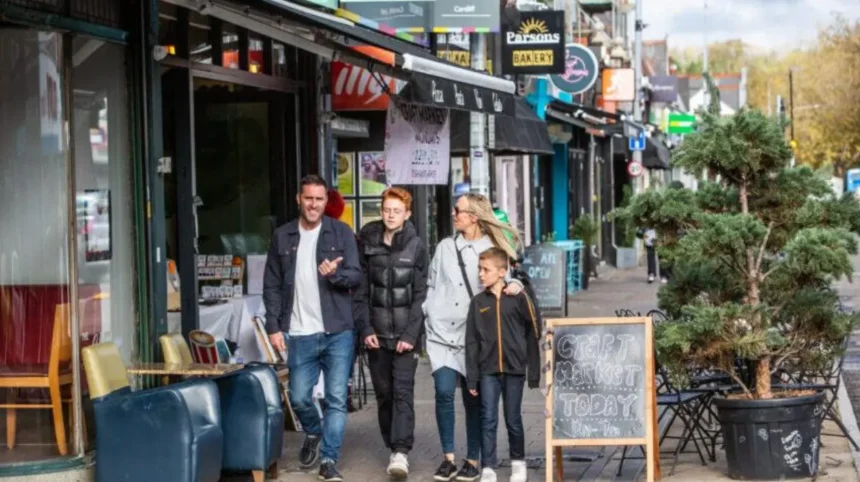
Cardiff is a city shaped by neighbourhood identity, local organisations, cultural diversity, volunteering, community facilities and resident-led projects. Community spirit differs across the city, but areas such as Grangetown, Riverside, Canton, Splott, Butetown, Ely, Caerau, Roath, Cathays, Rumney and Llanrumney have strong networks that connect residents through shared places and activities.
- What makes a Cardiff neighbourhood have strong community spirit?
- Which Cardiff areas are particularly known for community activity?
- Why is Grangetown one of Cardiff’s strongest community neighbourhoods?
- How does Riverside demonstrate strong community spirit?
- Why does Canton have a strong neighbourhood identity?
- Why is Splott important when discussing Cardiff community spirit?
- How does Butetown contribute to Cardiff’s community identity?
- Why are Ely and Caerau recognised for community involvement?
- What makes Roath and Cathays strong community areas?
- How do Rumney and Llanrumney build community connections?
- How do community centres strengthen Cardiff neighbourhoods?
- How does diversity influence community spirit in Cardiff?
- How do parks and public spaces support community spirit?
- How do volunteering and local projects strengthen Cardiff communities?
- Which Cardiff areas are best for experiencing local community life?
- How is Cardiff’s community spirit likely to remain important in the future?
- What is the overall picture of community spirit across Cardiff?
Community spirit is not measured by one official Cardiff-wide ranking. It is better understood through practical indicators such as community centres, local groups, volunteering, public spaces, cultural activity, neighbourhood regeneration, food support, sports, schools and resident participation.
The Cardiff Council’s current approach also recognises community infrastructure as important to wellbeing. Its 2026–27 corporate priorities include investing in communities, supporting grassroots and community sport, creating safe and inclusive communities, and maintaining accessible parks and public spaces.
What makes a Cardiff neighbourhood have strong community spirit?
Strong community spirit develops when residents have accessible places, active organisations, shared activities, local services and opportunities to participate in improving their neighbourhood. Cardiff combines these features across diverse communities, creating strong local identities.
Community spirit is a social characteristic rather than a single physical feature. A neighbourhood with a community centre but limited participation does not automatically have strong community cohesion. The strongest indicators involve regular interaction between residents and local organisations.
Community facilities are particularly important. They provide locations for meetings, classes, advice services, youth activities, cultural events and food support. Cardiff Council describes neighbourhood regeneration as work involving housing, streets, public spaces and local services, with residents and partners involved in identifying issues and planning improvements.
Public spaces also influence local interaction. Parks, playgrounds, walking routes and sports facilities give residents places to meet outside the home.
Local shopping streets have a similar function. Cardiff Council identifies community shopping centres as important places providing shops, businesses, services and community facilities within accessible distances of residents.
These factors explain why community spirit is particularly visible in established inner-city neighbourhoods and areas with strong community infrastructure.
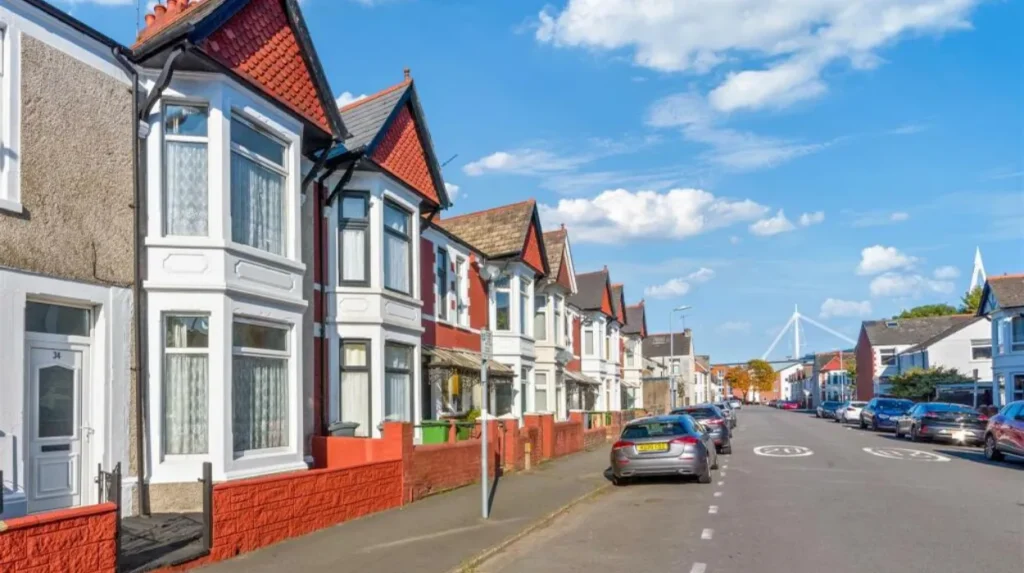
Which Cardiff areas are particularly known for community activity?
Grangetown, Riverside, Canton, Splott, Butetown, Ely, Caerau, Roath, Cathays, Rumney and Llanrumney have established community networks, facilities and local initiatives that support regular resident interaction, cultural activity, volunteering, sports, food support and neighbourhood improvement across Cardiff.
These areas do not represent an official ranking of community spirit. Cardiff Council and the Office for National Statistics organise Cardiff through electoral wards and other statistical geographies rather than a formal community-spirit league table. ONS lists wards including Adamsdown, Butetown, Canton, Cathays, Ely, Grangetown, Riverside, Rumney, Splott and Trowbridge.
The neighbourhoods also differ significantly.
Grangetown has a strong multicultural identity and extensive resident participation in local improvement projects. Riverside has strong links with food support, community facilities and the River Taff corridor. Canton combines independent businesses, community organisations and established residential streets.
Splott has a strong community infrastructure built around schools, parks, sports and local support initiatives. Butetown has a distinctive historical and multicultural identity connected to Cardiff’s docks.
Ely and Caerau contain extensive community facilities and regeneration activity. Roath and Cathays benefit from high population density, student activity, cultural diversity and proximity to community facilities.
Rumney and Llanrumney have established family communities, schools, parks, sports facilities and local organisations.
The differences between these neighbourhoods are important. Community spirit in Cardiff does not follow one model.
Why is Grangetown one of Cardiff’s strongest community neighbourhoods?
Grangetown has strong community connections because of its multicultural population, resident-led projects, community gardens, local organisations, public-space improvements and long-established neighbourhood identity close to Cardiff city centre and Cardiff Bay.
Grangetown is one of Cardiff’s most distinctive inner-city communities. Its location between the city centre and Cardiff Bay places it within an area of major urban change.
Its community identity is closely connected with diversity. Cardiff’s 2021 Census recorded substantial growth in the city’s Asian, Asian British or Asian Welsh, Black, Black British, Black Welsh, Caribbean or African, and Mixed or Multiple ethnic populations. Asian, Asian British or Asian Welsh residents represented 9.7% of Cardiff’s population in 2021, compared with 8.1% in 2011. The Black, Black British, Black Welsh, Caribbean or African category increased from 2.4% to 3.8%.
Grangetown also provides a clear example of resident involvement in physical improvements. Cardiff Council reports that more than 400 homes in North Grangetown benefited from external repairs and boundary-wall improvements.
The council also worked with local residents and children on Gerddi Courtmead Gardens, a community garden incorporating art designed by local people. Somerset Street improvements were developed through the DIY Streets programme with local residents and Sustrans.
These projects demonstrate an important element of community spirit: residents participating in changes to the places where they live.
How does Riverside demonstrate strong community spirit?
Riverside combines community facilities, cultural diversity, local food support, public spaces and links with neighbouring Canton and Ely. Its accessible location and active community organisations make it an important part of Cardiff’s wider neighbourhood network.
Riverside sits west of Cardiff city centre and beside the River Taff. Its location connects residential communities with central Cardiff, Canton, Ely and Caerau.
The neighbourhood is also included within Cardiff’s South West planning area alongside Ely, Caerau and Canton. Cardiff Council uses these broader neighbourhood planning areas to coordinate services and local priorities.
Food support provides a practical example of community infrastructure. Cardiff Council currently identifies FoodCycle provision at the Wyndham Street Centre in Riverside, with free hot meals available on Wednesdays.
Riverside’s community role also connects with active travel. Cardiff’s Cycleway 5 is planned to connect the city centre with Riverside, Ely and Caerau. Cardiff Council describes the wider cycleway programme as a network designed to connect communities with major destinations.
This combination of community facilities, food support, transport links and public spaces gives Riverside an important role in the social geography of western Cardiff.
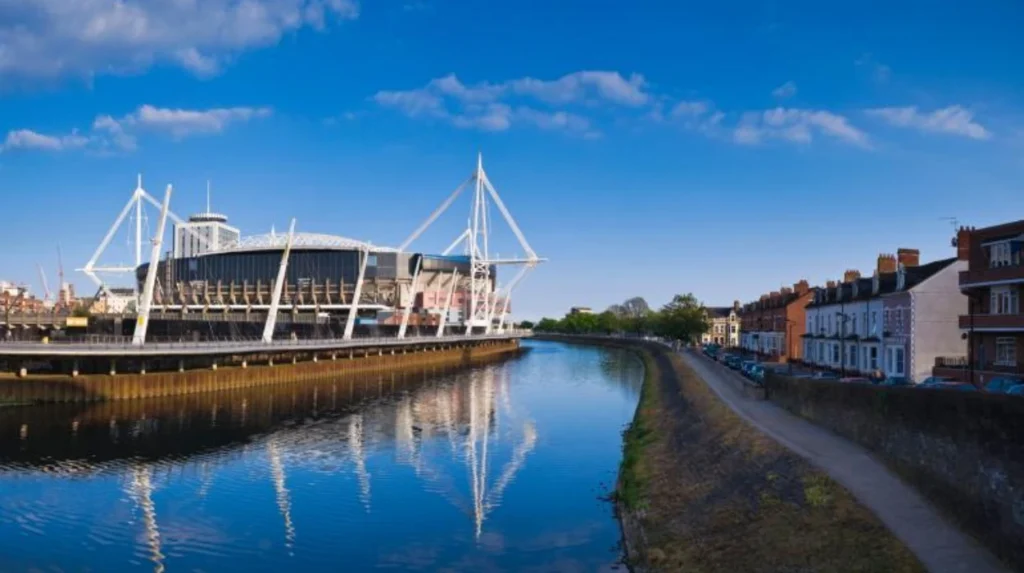
Why does Canton have a strong neighbourhood identity?
Canton has strong community identity through its established residential streets, local businesses, community facilities, cultural activity, public services and connections with Riverside, Ely and central Cardiff, creating a neighbourhood where daily life is closely linked to local places and organisations.
Canton is one of Cardiff’s best-established inner-city residential areas. It sits west of the city centre and forms part of Cardiff’s South West neighbourhood planning area.
The area has a strong local shopping function. Local shops and services provide everyday destinations where residents interact regularly rather than relying entirely on large commercial centres outside the neighbourhood.
Canton Library is also part of Cardiff’s community infrastructure. Cardiff Council lists Canton Library among locations providing community recycling zones for small recyclable items.
Community identity also benefits from connectivity. Canton links directly with Riverside, Pontcanna, Fairwater and the city centre, creating overlapping networks rather than an isolated neighbourhood structure.
This pattern supports community participation because residents can access local services, schools, shops, public spaces and transport without leaving the wider western inner-city area.
Why is Splott important when discussing Cardiff community spirit?
Splott has a strong community structure built around schools, parks, sports facilities, local services, food initiatives and neighbourhood projects. Its dense residential environment creates frequent opportunities for residents, families, young people and community organisations to interact.
Splott is an established eastern inner-city neighbourhood. It sits within Cardiff’s South East planning area alongside Adamsdown, Plasnewydd, Cathays and Gabalfa.
Local facilities contribute significantly to community life. Splott Park contains a skatepark, providing a dedicated recreational facility for young people and residents. Cardiff Council lists the Splott skatepark as having quarter-pipes, a driveway, flatbank and grind rails.
Food support is another indicator. Cardiff Council currently lists Splo-Down, a community food market at the Oasis Centre on Splott Road, operating on Wednesdays.
Nearby Tremorfa also demonstrates the importance of integrated community infrastructure. Cardiff Council’s plans for the area included improved community facilities, open space and shared sports pitches involving St Alban’s Rugby Club and the wider community.
Splott therefore combines recreation, food support, education and local services within a compact residential environment.
How does Butetown contribute to Cardiff’s community identity?
Butetown contributes through its historic docklands identity, cultural diversity, community facilities, youth services and connection with Cardiff Bay. Its history of migration and international trade remains central to understanding Cardiff’s multicultural community development.
Butetown has a distinctive place in Cardiff’s history. The area developed alongside the city’s docks, which connected Cardiff with international maritime trade.
The historic dock environment attracted workers and migrants from different parts of the world. This created a diverse population and a distinctive cultural identity.
That historical development remains relevant today because community spirit is often strengthened by a shared understanding of place.
Modern community infrastructure reinforces this identity. Cardiff Council identifies Butetown Pavilion Youth Hub as a community facility and recycling-zone location.
Butetown also sits directly beside Cardiff Bay and central Cardiff. Its location creates access to employment, cultural venues, public spaces and transport.
The neighbourhood demonstrates how historical migration, industrial development and modern community facilities can combine to produce a distinctive local identity.
Why are Ely and Caerau recognised for community involvement?
Ely and Caerau have strong community networks supported by schools, community facilities, regeneration programmes, parks, sports provision and local organisations. Their neighbourhood infrastructure supports families, young people and residents through multiple forms of participation.
Ely and Caerau form part of Cardiff’s South West neighbourhood planning area with Canton and Riverside.
Their community strength is closely linked to local services and public investment. Cardiff Council’s neighbourhood regeneration programme focuses on improvements such as parks, streets, public spaces and community safety, with priorities identified through ward councillors representing local communities.
Sports facilities are another important component. Cardiff Council lists Trelai Skatepark in Ely, providing quarter-pipes, flatbanks, grind rails and other equipment.
Ely also has direct links with Cardiff’s active travel plans. Cycleway 5 is designed to connect the city centre through Riverside and Ely to Caerau.
These connections help integrate the communities with wider Cardiff while maintaining strong local infrastructure.
What makes Roath and Cathays strong community areas?
Roath and Cathays have strong community interaction because of dense housing, diverse populations, schools, universities, independent businesses, parks, community facilities and convenient connections with Cardiff city centre, creating frequent contact between residents and local organisations.
Roath and Cathays are among Cardiff’s most densely connected inner-city neighbourhoods. Their proximity to the city centre and major educational institutions brings together long-term residents, students, families and workers.
Cathays forms part of Cardiff’s South East planning area, while Roath is recognised as a parish and local area within Cardiff’s statistical geography.
Community facilities play an important role. Cardiff Council currently identifies Cathays Community Centre as a location for a community fridge, providing food support every day.
Roath also benefits from access to Roath Park and surrounding residential areas. Cardiff’s Cycleway 6 is planned to connect the city centre with Plasnewydd, Penylan, Cyncoed and Roath Park.
The area’s community character therefore combines established Cardiff identity with a highly mobile and diverse population.
How do Rumney and Llanrumney build community connections?
Rumney and Llanrumney have strong family and neighbourhood networks supported by schools, parks, community facilities, sports, local services and established residential communities. Their eastern Cardiff location creates distinctive local identities while maintaining connections with the wider city.
Rumney and Llanrumney are located in eastern Cardiff. They are part of Cardiff’s East neighbourhood planning area alongside Trowbridge.
Their community structure includes schools, recreation facilities and local services. Family-oriented facilities are particularly important because they create repeated contact among residents over long periods.
Sport also contributes to community connection. Cardiff Council identifies community sport as a strategic priority for 2026–27, alongside investment in neighbourhoods, parks and public spaces.
Food support provides another practical example. Cardiff Council lists Rumney Forum as providing a foodbank, community fridge and pantry at Brachdy House.
These services show how community spirit extends beyond social events. It includes practical systems that help residents access food, advice, recreation and local support.
How do community centres strengthen Cardiff neighbourhoods?
Community centres strengthen Cardiff neighbourhoods by providing accessible locations for meetings, activities, support services, education, recreation and social interaction. They connect residents with local organisations and create regular opportunities for participation across different age groups.
A community centre provides physical infrastructure for social participation. Its value comes from the activities delivered there rather than the building alone.
Facilities can host youth programmes, exercise sessions, community meetings, food projects, advice services, cultural events and local consultations.
Cardiff Council’s current corporate plan specifically recognises Hubs and libraries as part of community infrastructure. The council’s 2026–27 priorities include investment in communities and safe, inclusive neighbourhoods.
The city also uses community facilities within wider regeneration projects. The neighbourhood renewal programme includes community safety improvements, new parks and street improvements based on priorities identified by ward councillors.
This makes community centres part of a larger local ecosystem involving public services, voluntary organisations, schools, sports clubs and residents.
How does diversity influence community spirit in Cardiff?
Cardiff’s increasing ethnic diversity creates neighbourhoods with multiple cultural traditions, languages, businesses, community organisations and social networks. Diversity strengthens the range of community activities and contributes to distinctive local identities across areas such as Grangetown, Butetown and Riverside.
Cardiff became more ethnically diverse between the 2011 and 2021 censuses.
ONS recorded the proportion of Cardiff residents identifying as Asian, Asian British or Asian Welsh increasing from 8.1% in 2011 to 9.7% in 2021. The proportion identifying as Black, Black British, Black Welsh, Caribbean or African increased from 2.4% to 3.8%. The Mixed or Multiple ethnic group increased from 2.9% to 4.0%.
These statistics describe Cardiff as a whole rather than individual neighbourhoods. ONS Census Maps allows users to explore demographic characteristics at smaller geographic levels.
Diversity contributes to community infrastructure through cultural organisations, faith communities, food businesses, festivals, language networks and voluntary groups.
Grangetown and Butetown are particularly important examples because migration and international connections form significant parts of their historical development.
How do parks and public spaces support community spirit?
Parks and public spaces support community spirit by creating shared environments for walking, sport, children’s play, recreation, events and informal social interaction. Cardiff’s neighbourhood planning increasingly links public-space quality with community wellbeing and local identity.
Public spaces are important because they are accessible to people who do not participate in formal organisations.
A park can support several activities simultaneously. Children use play areas, young people use sports facilities, adults walk or exercise, and residents use open spaces for informal meetings.
Cardiff Council’s Liveable Design Guide identifies public and green spaces, transport, sustainability and neighbourhood identity as key liveability considerations for new development.
The council also identifies high-quality parks and public spaces as a priority for 2026–27.
Regeneration projects further demonstrate the relationship between public space and community participation. North Grangetown’s Gerddi Courtmead Gardens was developed with local residents and children, combining physical improvement with community-designed art.
How do volunteering and local projects strengthen Cardiff communities?
Volunteering strengthens Cardiff communities by turning residents into active participants in local services, events, environmental projects, food initiatives, sports and neighbourhood improvements. Resident participation also gives communities greater influence over public-space and regeneration priorities.
Community participation is particularly visible when residents help design or deliver local projects.
Neighbourhood regeneration in Cardiff provides a formal mechanism for this participation. The council states that it works with residents and partners to understand local issues, plan improvements and manage disruption.
Resident involvement also appears in specific projects. The North Grangetown improvements involved local people and children in developing Gerddi Courtmead Gardens. Somerset Street improvements were developed with local residents through the DIY Streets programme.
Food projects provide another form of volunteering and mutual support. Cardiff’s current support network includes community fridges, foodbanks, pantries and free meal projects across neighbourhoods including Cathays, Adamsdown, Rumney, Llanedeyrn, Ely, Riverside and Splott.
These activities demonstrate community spirit through practical participation rather than symbolic identity alone.
Which Cardiff areas are best for experiencing local community life?
Visitors seeking local community life should explore neighbourhoods with active shopping streets, markets, parks, community facilities, cultural organisations and independent businesses. Grangetown, Canton, Riverside, Butetown, Splott, Roath and Cathays provide particularly useful examples of Cardiff neighbourhood life.
Community-focused exploration differs from conventional sightseeing. The objective is to understand how residents use neighbourhood spaces.
Grangetown provides insight into multicultural Cardiff and resident-led environmental projects. Butetown provides historical insight into Cardiff’s docks and migration.
Canton and Riverside demonstrate the importance of local businesses, community facilities and everyday services. Splott provides examples of sports, food support and neighbourhood facilities.
Roath and Cathays demonstrate the interaction between established communities, students, independent businesses and cultural diversity.
Visitors should use local shops, libraries, parks, community events and public transport respectfully. Community spaces primarily serve residents, so responsible behaviour is essential.
Explore More Area Guide
How Grangetown Became Cardiff’s Most Diverse Community
The Changing Identity of Splott Through the Decades
How is Cardiff’s community spirit likely to remain important in the future?
Cardiff’s community spirit will remain central to urban planning because population change, housing pressures, transport investment, climate objectives and regeneration require strong local participation. Community infrastructure will remain important for inclusion, resilience and neighbourhood wellbeing.
Cardiff’s future development strategy places significant emphasis on creating liveable neighbourhoods. The council’s Liveable Design Guide establishes principles covering identity, public and green spaces, transport, sustainability and quality of life.
Transport investment will also reshape connections between neighbourhoods. Cardiff is developing six proposed cycleways connecting communities with destinations including the city centre and Cardiff Bay.
Community infrastructure is also included in the council’s current strategic priorities. Its 2026–27 plan identifies community investment, grassroots sport, inclusive neighbourhoods, parks and public spaces as priorities.
The long-term strength of Cardiff’s neighbourhoods therefore depends on more than physical development. It also depends on accessible services, resident participation, public spaces and organisations that enable people to connect locally.
What is the overall picture of community spirit across Cardiff?
Cardiff’s strongest community spirit is distributed across multiple neighbourhoods rather than concentrated in one area. Grangetown, Riverside, Canton, Splott, Butetown, Ely, Caerau, Roath, Cathays, Rumney and Llanrumney each demonstrate different forms of local participation.
The evidence shows that community spirit has several dimensions.
Grangetown demonstrates multicultural identity and resident-led environmental improvements. Butetown demonstrates historical diversity and youth-focused community infrastructure. Riverside demonstrates food support and connections between western neighbourhoods.
Canton demonstrates local shopping and community services. Splott demonstrates sports, food initiatives and community facilities. Ely and Caerau demonstrate neighbourhood regeneration and active travel connections.
Roath and Cathays demonstrate diversity, education, independent businesses and dense urban interaction. Rumney and Llanrumney demonstrate family-oriented community networks and local support services.
No single indicator determines which area has the strongest community spirit. Community strength is better assessed through the combination of participation, facilities, diversity, local identity, voluntary activity, public spaces and resident-led improvements.
For residents and visitors, these neighbourhoods provide a useful cross-section of Cardiff’s community life. Together, they show how local identity continues to shape one of Wales’s most diverse urban communities.
Which area of Cardiff has the strongest community spirit?
Grangetown is one of Cardiff’s best-known areas for strong community identity. Its multicultural population, resident-led projects, community gardens, local organisations and neighbourhood improvement initiatives contribute to its strong sense of community.