Penylan is one of Cardiff’s best-known residential districts for substantial period housing, tree-lined streets and proximity to Roath Park. Its Edwardian homes form part of the wider suburban expansion of Cardiff during the late nineteenth and early twentieth centuries. The surviving houses provide evidence of changing domestic architecture, urban planning, social conditions and landscape design.
- What are Edwardian homes across Penylan?
- How did Penylan develop into an Edwardian residential district?
- Why is Roath Park important to the history of Penylan’s Edwardian homes?
- What architectural features identify Edwardian homes in Penylan?
- What types of Edwardian houses can be found across Penylan?
- How can you recognise an authentic Edwardian home in Penylan?
- Which features give Penylan’s Edwardian streets their distinctive character?
- Are Edwardian homes in Penylan protected by conservation rules?
- How should Edwardian homes in Penylan be maintained and renovated?
- What historic examples help explain Penylan’s architectural development?
- How does modern transport affect Penylan’s historic residential environment?
- Why do Edwardian homes across Penylan remain important today?
The Edwardian period is generally associated with the reign of King Edward VII from 1901 to 1910. Architectural historians also use the term more broadly for early twentieth-century buildings constructed before the First World War. Penylan contains a mixture of late-Victorian, Edwardian and interwar properties, so architectural details and historical records are important when identifying individual houses.
Cardiff Council currently identifies 27 conservation areas across the city. Three directly associated with Penylan are Roath Mill Gardens, Roath Park, and Roath Park Lake and Gardens. These designations demonstrate the importance of the area’s collective architectural and landscape character.
What are Edwardian homes across Penylan?
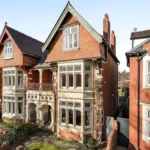
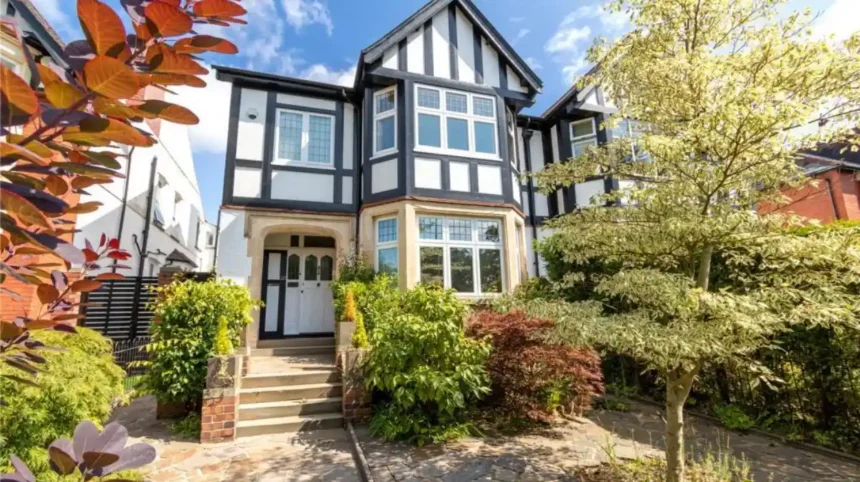
Edwardian homes across Penylan are early twentieth-century residential properties characterised by spacious plots, larger windows, pitched roofs, bay windows, decorative entrances, gardens and period materials. They reflect Cardiff’s rapid suburban expansion around Roath Park and surrounding residential avenues.
Edwardian architecture does not represent one fixed house design. Builders used several approaches according to plot size, location, budget and intended market. Penylan therefore contains detached houses, semi-detached villas and terraces with varying levels of decoration.
The typical Edwardian suburban house placed greater emphasis on light, ventilation and practical domestic space. Larger windows became prominent. Bay windows expanded principal rooms. Front gardens created separation between houses and streets. Pitched roofs and gabled elevations provided strong rooflines.
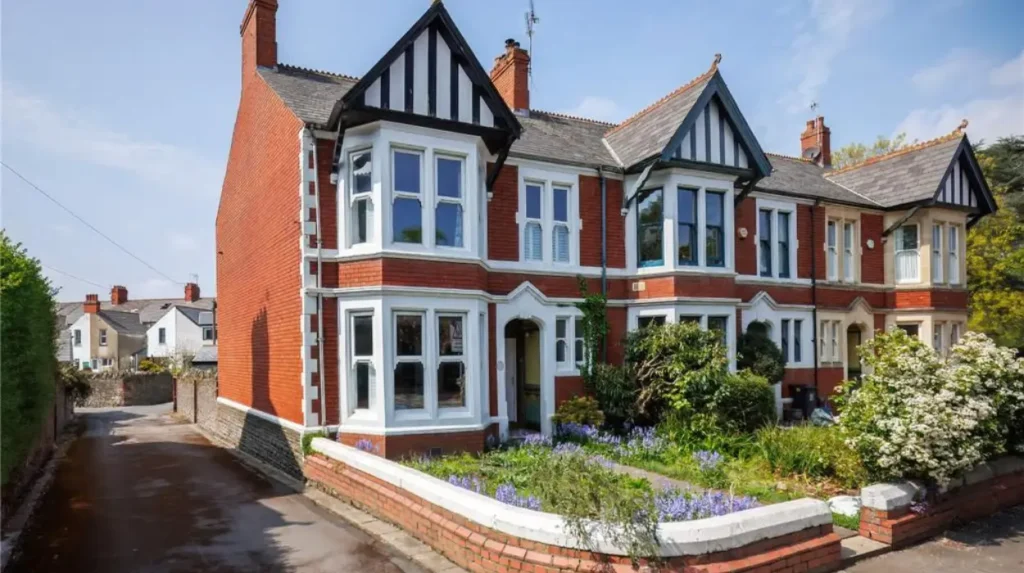
Many houses also used contrasting materials. Red or brown brick could be combined with render, stone dressings, timber detailing and slate roofs. Decorative features were generally more restrained than the elaborate ornamentation found on some earlier Victorian properties.
The period is important because it coincided with a major stage in Cardiff’s physical expansion. Residential development moved beyond densely developed central areas into suburban districts with more generous plots and access to public parks.
How did Penylan develop into an Edwardian residential district?
Penylan developed from a largely rural landscape into a residential district as Cardiff expanded during industrialisation, with former agricultural land and estates gradually converted into streets, villas and suburban housing during the late nineteenth and early twentieth centuries.
Penylan forms part of the historic Roath landscape. Historical records show that much of the area was previously associated with farms, country houses and open land. The expansion of Cardiff transformed this landscape.
Roath became a suburb of Cardiff in 1875. Historical accounts describe Penylan Hill at that time as a largely undeveloped route towards Cyncoed, while substantial houses were already appearing on former farm sites around Ty-Gwyn and Penylan roads.
Cardiff’s industrial growth created sustained demand for housing. The city’s docks, railway connections and coal-export economy supported rapid population and commercial expansion. Residential development consequently extended into areas beyond the older urban core.
This process explains why Penylan contains houses from different construction periods. Development did not occur in one continuous building phase. Victorian properties appeared first in some locations, followed by Edwardian houses and later interwar homes.
The surviving housing therefore provides a physical record of Cardiff’s suburban development.
Penylan’s position also influenced its residential appeal. The district offered larger plots and access to open space while remaining connected to the expanding city.
Why is Roath Park important to the history of Penylan’s Edwardian homes?
Roath Park is important because its creation in the late nineteenth century established a major public landscape that influenced surrounding residential development, creating a setting of villas, gardens, mature trees and streets closely associated with Penylan’s historic suburban character.
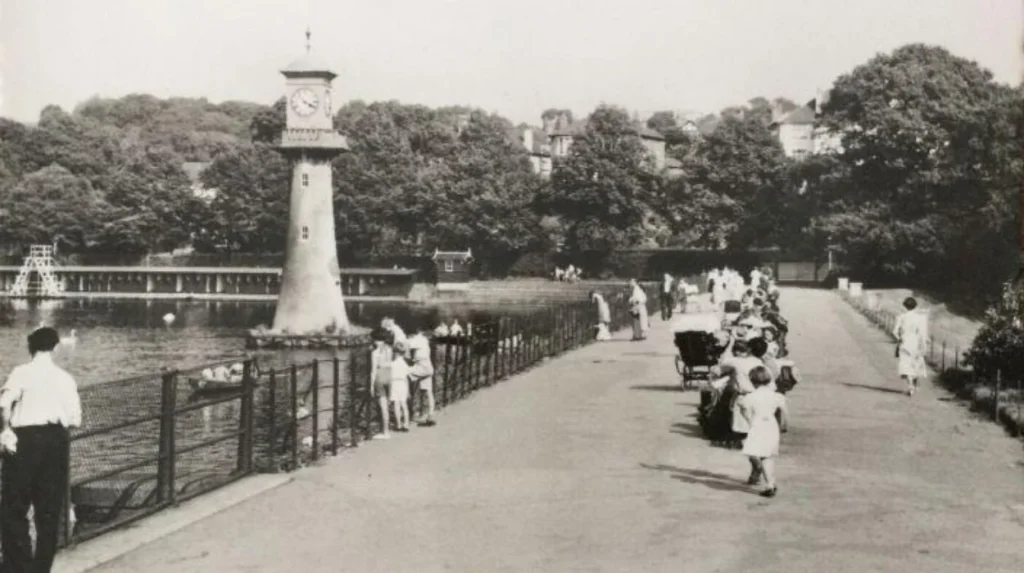
Roath Park opened in 1894 and became one of Cardiff’s major public recreational landscapes. Its development occurred immediately before the main Edwardian period, making it particularly relevant to the surrounding housing.
The park’s historic landscape remains significant. Cadw identifies Roath Park as a Grade I registered historic park and garden in Wales.
The relationship between parkland and residential development is central to understanding Penylan. Large houses were constructed close to attractive green space, while roads and gardens created connections between private residential land and the public park.
Roath Park also demonstrates how municipal investment in recreation influenced urban development. Public parks became important components of expanding cities during the Victorian and Edwardian periods.
The surviving Edwardian housing around Penylan should therefore be viewed within this wider landscape rather than as isolated buildings.
The streets, gardens, trees and open spaces contribute to the character of the neighbourhood.
Cardiff Council’s current conservation framework specifically includes Roath Park and Roath Park Lake and Gardens within areas covering Penylan.
What architectural features identify Edwardian homes in Penylan?
Edwardian homes in Penylan can often be identified through large windows, bay windows, pitched roofs, gables, brick or rendered elevations, timber doors, decorative porches, generous gardens and traditional boundary walls or railings characteristic of early twentieth-century suburban architecture.
The first feature to examine is the overall building form. Edwardian houses often have wider frontages than earlier urban terraces. The larger plots available in suburban Cardiff allowed builders to create more spacious layouts.
Windows provide another useful clue. Large sash or casement windows are common in period properties. Some houses contain stained or leaded glass in entrance doors and upper windows.
Bay windows are also important. They increase internal floor space while bringing additional daylight into reception rooms.
Rooflines provide further evidence. Edwardian houses frequently feature pitched roofs, projecting gables and broad eaves. Welsh slate was widely used for roofing across Wales, while decorative timberwork sometimes appeared within gables.
Brickwork can reveal construction history. Red brick, brown brick and contrasting decorative bands appear across early twentieth-century housing. Some properties combine brick with rendered upper elevations or stone detailing.
Entrances are equally significant. Period porches can contain timber supports, decorative brickwork, tiled surfaces and glazed doors.
Front boundaries complete the architectural composition. Low brick walls, stone piers, iron railings, gates and planted gardens create the transition from public pavement to private property.
No single feature proves that a house is Edwardian. Architectural identification works best when several characteristics are considered together with the building’s location, surrounding properties and historical mapping.
What types of Edwardian houses can be found across Penylan?
Edwardian housing in Penylan includes several forms, with examples including semi-detached villas, detached suburban houses and terraced properties. Their differences reflect plot size, development density, construction date and the intended social market of individual residential streets.
Semi-detached houses are particularly important within suburban Edwardian development. Two houses share a party wall while maintaining separate entrances, gardens and internal layouts.
This arrangement allowed builders to provide substantial homes on relatively efficient plots.
Detached houses represent another form. Larger plots enabled individual buildings to stand apart from neighbouring properties. These homes frequently have gardens on several sides and more varied architectural elevations.
Terraced housing also appears in the broader Penylan and Roath landscape. Terraces generally use narrower plots and shared walls, producing a more continuous street frontage.
The distinction between these forms helps explain the visual variety of Penylan.
Street layout is equally important. Some residential roads feature repeated house designs, creating architectural groups. Others contain individually designed properties built during different development phases.
Historic houses can also have been altered substantially since construction. Extensions, converted lofts, replacement windows, modern doors and changed internal layouts affect the present appearance.
Consequently, an Edwardian house should be assessed using surviving original fabric alongside documentary evidence.
How can you recognise an authentic Edwardian home in Penylan?
An authentic Edwardian home is best identified by combining architectural evidence with historical records, including construction date, original plans, historic maps, building form, materials, windows, roof design, boundaries and relationships with neighbouring period properties.
Visual inspection provides the starting point.
A house with large windows, a pitched roof, a projecting bay, a decorative entrance and a generous garden has several characteristics associated with Edwardian suburban architecture.
The next step is chronology.
The Edwardian period traditionally covers 1901 to 1910, although architectural usage extends beyond those exact years. A property dated between 1901 and 1914 can therefore display Edwardian characteristics while falling outside the monarch’s reign.
Historic maps provide particularly useful evidence. Comparing maps from different periods shows when fields and estate land were replaced by streets and houses.
Planning records, title documents, architectural drawings and local historical archives can provide additional information.
Neighbouring houses also provide context. Repeated architectural designs indicate coordinated development and help establish whether an individual building belongs to a particular building phase.
Historic fabric is another indicator. Original timber windows, doors, fireplaces, staircases, roof structures and decorative plasterwork can provide evidence of the property’s construction period.
Alterations should not automatically remove a property’s historic importance. Many period homes have undergone decades of adaptation.
The strongest identification combines architectural analysis with documentary research rather than relying on one visible feature.
Which features give Penylan’s Edwardian streets their distinctive character?
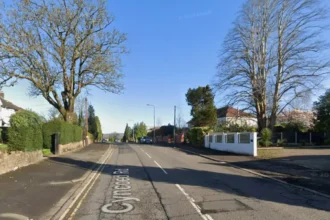
Penylan’s Edwardian streets derive their character from the combined effect of houses, gardens, mature trees, boundary treatments, road layouts, building setbacks, rooflines and consistent architectural materials rather than from individual properties considered separately.
Historic neighbourhood character is created collectively.
A row of period houses can retain a strong visual identity even when individual buildings have different doors, windows or extensions.
Building setbacks are particularly important. Edwardian suburban properties often stand behind front gardens rather than directly against pavements.
Gardens contribute greenery and create visual separation between buildings. Mature trees reinforce this spacious character.
Boundary walls and railings establish consistent street edges. Removing these features can alter the appearance of an entire frontage.
Rooflines also contribute to streetscape identity. Chimneys, gables and pitched roofs create repeated vertical elements along residential roads.
Materials provide another layer of consistency. Similar brickwork, slate roofing, stone details and timber features connect neighbouring properties.
Cardiff Council’s conservation approach recognises that important historic environments include buildings, streets and open spaces. Its conservation areas are designated for special architectural or historic interest.
This collective approach explains why conservation does not focus exclusively on individual landmark buildings.
Are Edwardian homes in Penylan protected by conservation rules?
Some Penylan Edwardian homes sit within conservation areas, where additional planning controls protect historic character; individual listed buildings have separate statutory protection, so owners must check the exact property’s designation before undertaking significant external or structural alterations.
Conservation-area status and listed-building status are different.
A conservation area protects the character and appearance of a defined historic area. It does not automatically make every building inside that boundary listed.
Cardiff Council states that the city has 27 conservation areas and provides maps for checking whether a property is located within one.
Penylan has several relevant designated areas. Cardiff Council lists Roath Mill Gardens as a Penylan conservation area. It also identifies Roath Park across Plasnewydd and Penylan and Roath Park Lake and Gardens across Cyncoed and Penylan.
Some conservation areas also have Article 4 Directions. These directions remove specific permitted development rights and can affect alterations such as changes to windows.
Trees receive additional protection in conservation areas. Cardiff Council states that permission is required for works to trees within conservation areas.
Listed buildings have a separate legal framework. Cadw, the Welsh Government’s historic environment service, administers the national system of listed buildings and historic assets.
Property owners should therefore establish the precise planning status of their address before replacing windows, altering roof structures, demolishing walls, changing elevations or constructing extensions.
How should Edwardian homes in Penylan be maintained and renovated?
Edwardian homes in Penylan should be maintained through regular inspection, repair of historic materials, appropriate moisture management, careful window and roof maintenance, compatible materials and planning checks before alterations affecting protected buildings or conservation areas.
Maintenance begins with the roof.
Defective slates, damaged flashing, blocked gutters and leaking rainwater goods can introduce water into walls and timber structures.
Rainwater management is especially important in older buildings. Gutters and downpipes should discharge water effectively away from foundations and walls.
Brickwork should also be inspected. Damaged pointing can allow water penetration, while inappropriate hard cement repairs can create compatibility problems in traditional masonry.
Windows require careful treatment. Original timber windows contain historic material and contribute significantly to the appearance of period elevations. Repair and draught reduction can preserve these features while improving performance.
Doors should receive similar attention.
Internal features also deserve protection. Original fireplaces, staircases, timber doors, cornices, decorative plasterwork and floor structures provide evidence of the original building.
Energy improvements should be designed around the building’s construction.
Insulation, draught reduction and efficient heating can improve comfort. However, interventions should account for ventilation and moisture movement.
Where a property is within a conservation area, owners should check Cardiff Council’s planning requirements before external alterations. The council specifically advises owners to seek advice when considering changes to properties in protected areas.
A conservation-focused approach does not prevent modern living. It manages change while retaining significant historic characteristics.
What historic examples help explain Penylan’s architectural development?
Historic examples across Penylan and neighbouring Roath demonstrate the area’s transition from rural land to suburban housing, with surviving Victorian and Edwardian buildings, historic churches, public parks and former villas providing evidence of Cardiff’s expanding residential landscape.
St Margaret’s Church provides an important historical reference point.
The existing church was commissioned by the 3rd Marquess of Bute and built in 1870 to designs by John Prichard. Cadw records that it incorporates stonework and memorials associated with an earlier church on the site.
Its date places it firmly within the Victorian period rather than the Edwardian period. It nevertheless helps establish the historical setting in which Penylan’s later housing developed.
Roath Park provides another major reference point. Its late-Victorian creation preceded the main Edwardian building phase and influenced the character of surrounding residential development.
Historic local research also records substantial former villas that have disappeared. The loss of buildings such as Bronwydd illustrates the extent of redevelopment that has occurred since the area’s original suburban expansion.
The surviving housing is therefore part of a larger historical sequence.
Victorian buildings established early suburban forms. Edwardian development expanded and modified these forms. Interwar housing subsequently introduced new architectural approaches.
Studying all these periods together provides a clearer understanding of Penylan’s development than examining Edwardian houses in isolation.
Explore More Area Guide
Victorian Architecture in Roath Explained: Cardiff Guide
Cardiff’s Fastest Growing Residential Communities: Cardiff 2026
How does modern transport affect Penylan’s historic residential environment?
Modern transport continues to shape Penylan while Cardiff develops walking, cycling and public transport infrastructure, creating an ongoing planning challenge between improved accessibility, residential movement and protection of established historic streetscapes.
Penylan is connected to Cardiff’s wider transport network through roads serving Roath, Newport Road and surrounding residential districts.
Cardiff Council is developing active-travel infrastructure across the city. Its Cycleways programme includes Cycleway 6, connecting the city centre with Plasnewydd, Penylan, Cyncoed and Roath Park.
The Newport Road sustainable transport corridor also forms part of Cardiff’s wider transport programme. The council describes proposals involving an Eastern bus corridor, Cycleway 2 and controlled parking zones.
These infrastructure changes have relevance for historic residential areas because streets must accommodate modern transport requirements while retaining established architectural and landscape features.
Historic boundary walls, mature trees, front gardens and traditional street layouts can contribute to local character.
Transport planning therefore intersects with heritage management.
The challenge is not unique to Penylan. Established neighbourhoods across Cardiff must accommodate changing travel patterns while maintaining important elements of their historic environment.
Why do Edwardian homes across Penylan remain important today?
Edwardian homes across Penylan remain important because they preserve evidence of Cardiff’s suburban expansion, represent early twentieth-century domestic architecture, contribute to conservation-area character and provide established housing within a mature residential landscape.
Their significance is architectural, historical and environmental.
Architecturally, the houses demonstrate the transition from Victorian to early twentieth-century design. Their larger windows, spacious plans, gardens and simplified decoration reflect changing domestic expectations.
Historically, they record Cardiff’s expansion during a period of industrial and population growth.
Environmentally, gardens and mature trees contribute to the established green character of the district.
Urbanistically, the houses demonstrate how public parks, roads and residential development were integrated into Cardiff’s expanding eastern suburbs.
The importance of Penylan’s Edwardian housing therefore extends beyond property appearance.
The conservation framework also provides formal recognition of the area’s historic character. Cardiff Council’s designated conservation areas around Roath Park and Roath Mill Gardens provide mechanisms for managing changes to the historic environment.
The future of these houses depends on appropriate maintenance and informed adaptation.
Historic buildings remain functional homes. They require modern heating, insulation, kitchens, bathrooms, accessibility improvements and other upgrades. The key issue is how those changes interact with historic fabric.
A repair-led approach protects original materials while allowing practical adaptation.
Accurate identification is equally important. Not every old house in Penylan is Edwardian, and not every Edwardian building has retained all its original features. Historical records, architectural analysis and planning information provide the strongest evidence.
Penylan’s surviving Edwardian homes consequently form part of Cardiff’s living historic environment. Their value comes from the relationship between houses, streets, gardens, trees, parks and the wider history of suburban development.
What is an Edwardian home in Penylan?
An Edwardian home in Penylan is a residential property built during the early twentieth century, particularly around 1901–1910, although the architectural style extends into the years before the First World War. These houses often feature bay windows, pitched roofs, brick elevations, gardens and decorative entrances.