Cardiff has a strong collection of historic residential streets shaped by Victorian, Edwardian, garden-village and older village development. The best-preserved streets are identified through surviving building patterns, traditional materials, architectural details, gardens, street layouts and conservation protection.
- What makes Cardiff’s residential streets historically important?
- Which Cardiff residential areas have the strongest conservation protection?
- Why is Llandaff one of Cardiff’s best-preserved residential areas?
- What makes Cathedral Road important for Cardiff’s residential history?
- Why is Roath Park surrounded by important historic residential streets?
- What is special about Roath Mill Gardens and Penylan?
- Why is Oakfield Street significant for historic Cardiff housing?
- What makes Tredegarville one of Cardiff’s historic residential streets?
- Why is Wordsworth Avenue included among Cardiff’s protected historic streets?
- Why is Rhiwbina Garden Village different from Cardiff’s Victorian streets?
- How can visitors identify a well-preserved historic residential street?
- How does conservation-area status protect Cardiff’s historic residential streets?
- How should visitors explore Cardiff’s best-preserved residential streets?
- Why do Cardiff’s preserved residential streets matter for the future?
Cardiff Council currently identifies 27 conservation areas across the city. These areas protect places with special architectural or historic interest and include residential environments such as Llandaff, Cathedral Road, Oakfield Street, Roath Park, Roath Mill Gardens, Tredegarville, Wordsworth Avenue and Rhiwbina Garden Village.
For visitors from Bristol, these neighbourhoods provide an accessible way to understand Cardiff’s architectural development without relying solely on major landmarks. Residential streets reveal how Cardiff expanded during industrialisation, how professional and middle-class suburbs developed, and how twentieth-century planning introduced garden-village principles.
The term best preserved in this guide refers to streets and residential areas where historic character remains particularly legible. It does not mean every house is unchanged or individually listed. Conservation-area status protects the character of a wider place rather than only individual buildings. Cadw states that the significance of conservation areas includes settlement patterns, building plots, routes, building styles, materials and architectural detailing.
What makes Cardiff’s residential streets historically important?
Cardiff’s historic residential streets preserve evidence of urban expansion, industrial wealth, suburban planning and changing architectural tastes. Their value comes from groups of buildings, consistent plots, gardens, street layouts, materials and surviving details rather than isolated houses alone.
Cardiff’s residential architecture reflects the city’s rapid transformation from a comparatively small settlement into a major industrial and commercial centre.
The nineteenth century brought major population growth associated with coal export, docks, railway development, manufacturing and commerce. New housing was required for workers, tradespeople, professionals and business owners.
Different social groups occupied different forms of housing. Dense terraces developed close to employment and transport corridors. Larger villas and semi-detached houses appeared in expanding suburbs. Later planned developments introduced wider streets, gardens and more controlled layouts.
This historical layering explains why Cardiff does not have one single residential architectural style.
Some streets consist mainly of late Victorian terraces. Others contain substantial Edwardian houses. Rhiwbina represents a different planning tradition based on garden-village principles. Llandaff retains an older village character alongside later residential development.
The preservation of these patterns is important because historic character exists at street level. Cadw specifically defines conservation-area significance through the collective character of an area, including building plots, routes, spatial organisation, materials and architectural details.
Cardiff Council’s conservation programme reflects this principle. Its current records identify 27 conservation areas and provide individual appraisals describing the special character of designated areas.
Which Cardiff residential areas have the strongest conservation protection?
The strongest protection is found within Cardiff’s designated conservation areas, where planning controls safeguard architectural and historic character. Notable residential examples include Llandaff, Cathedral Road, Oakfield Street, Roath Park, Roath Mill Gardens, Tredegarville, Wordsworth Avenue and Rhiwbina Garden Village.
Cardiff Council’s conservation-area register provides an authoritative starting point for identifying historically significant residential environments.
The council lists Llandaff, Cardiff Road, Cathedral Road, Oakfield Street, Rhiwbina Garden Village, Roath Mill Gardens, Roath Park, Tredegarville and Wordsworth Avenue among its designated conservation areas.
These designations do not mean every street within each area has identical architectural quality. Instead, they recognise a wider combination of historic and architectural characteristics.
For visitors, this distinction matters. A conservation area is not an open-air museum. People live in these properties, and buildings continue to require maintenance, adaptation and improvement.
Cadw explains that conservation areas are designated for special architectural or historic interest. The statutory framework requires planning authorities to consider the desirability of preserving or enhancing the character or appearance of those areas.
Cardiff Council also states that additional controls can apply to relatively minor alterations, including changes to windows, while work affecting trees in conservation areas requires permission.
This framework helps retain the visual relationships that make historic residential streets distinctive.
Why is Llandaff one of Cardiff’s best-preserved residential areas?
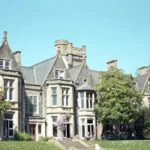
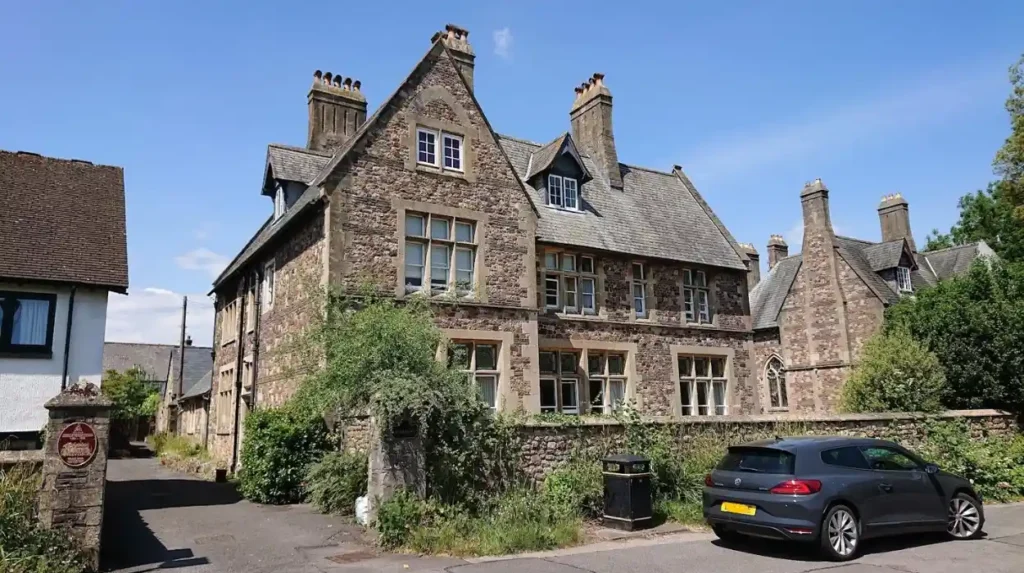
Llandaff preserves an unusually strong combination of historic village form, traditional buildings, mature streetscapes and later residential architecture. Its conservation area protects the relationship between buildings, streets, spaces and historic landmarks across one of Cardiff’s oldest settlements.
Llandaff occupies a particularly important position in Cardiff’s architectural history.
The area developed around Llandaff Cathedral, a historic cathedral associated with the Diocese of Llandaff. Its village structure predates Cardiff’s nineteenth-century suburban expansion by centuries.
Later development added substantial Victorian and Edwardian residences around the older settlement. This produced a layered streetscape rather than a uniform estate.
The Llandaff Conservation Area is officially recognised by Cardiff Council, which provides a dedicated appraisal describing its architectural and historic character.
Historic residential character is especially visible around the village centre and streets leading through the wider conservation area. Traditional masonry, mature vegetation, boundary walls and established building plots contribute to the area’s appearance.
Llandaff also demonstrates why preservation is about more than façades. The relationship between the historic village, roads, open spaces and surrounding buildings creates its distinctive character.
The area is particularly useful for visitors from Bristol because it combines historic architecture with an established residential environment. It is accessible from central Cardiff while retaining a distinct village identity.
The conservation framework also influences everyday changes. Cardiff Council confirms that work in conservation areas can require planning permission and that trees in conservation areas receive additional protection.
What makes Cathedral Road important for Cardiff’s residential history?
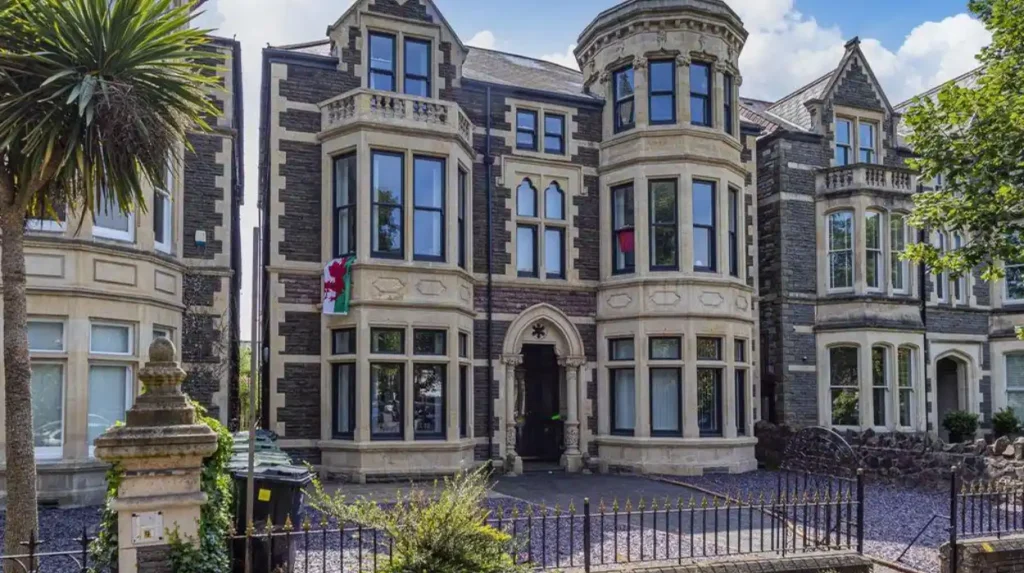
Cathedral Road represents Cardiff’s late nineteenth- and early twentieth-century suburban expansion, with substantial houses, mature landscaping and formal street character. Its conservation area protects the architectural relationship between residential buildings, gardens, boundaries and the historic avenue.
Cathedral Road is one of Cardiff’s most recognisable historic residential environments.
The road developed as Cardiff expanded westwards during the period when affluent residents increasingly occupied larger suburban houses away from the dense commercial centre.
Its architectural character is associated with substantial houses, generous plots, mature trees, front gardens and prominent boundary treatments.
Cardiff Council identifies Cathedral Road as a conservation area and provides both a dedicated summary and conservation appraisal.
The importance of Cathedral Road lies in the cumulative effect of its buildings. Individual houses have architectural interest, but the broader streetscape establishes the area’s identity.
The road also demonstrates the social geography of Victorian and Edwardian Cardiff. Larger houses required more land than tightly packed workers’ terraces. Their scale, gardens and formal entrances communicated a different residential function.
For architectural visitors, important features include roof forms, bay windows, brick and stone construction, decorative entrances, sash-style windows, boundary walls and mature planting. These details vary between properties, so the strongest preservation value comes from the overall streetscape.
Cathedral Road also connects with other historic environments around Pontcanna and Riverside, making it suitable for a wider residential architecture walk.
Why is Roath Park surrounded by important historic residential streets?
Roath Park is surrounded by residential streets that reflect Cardiff’s late Victorian and Edwardian expansion. The area’s historic character combines substantial houses, terraces, gardens, mature trees and planned streets associated with development around one of Cardiff’s major public parks.
Roath Park is significant because the park and surrounding housing developed as part of Cardiff’s suburban expansion.
Cardiff Council recognises both Roath Park and Roath Park Lake and Gardens through conservation designations. The wider area extends across Plasnewydd, Penylan and Cyncoed.
Public parks influenced residential development because attractive open space increased the desirability of nearby housing. Residential streets around Roath Park therefore demonstrate the relationship between urban planning, public recreation and private housing.
The architecture varies across the surrounding neighbourhood. Visitors encounter terraces, semi-detached properties and larger detached houses. Many buildings retain historic proportions, masonry construction, bay windows, pitched roofs and traditional boundary treatments.
The park itself also forms an important part of the historic landscape. Cardiff Council records 18 historic parks and gardens in Cardiff on the Cadw Register of Landscapes, Parks and Gardens of Special Historic Interest in Wales, including 12 public parks.
Roath Park is therefore best understood as part of a larger historic landscape rather than simply as a green space.
The surrounding streets demonstrate how Cardiff’s residential development responded to the creation of major public amenities.
What is special about Roath Mill Gardens and Penylan?
Roath Mill Gardens in Penylan preserves a distinctive planned residential environment with historic houses, landscaped settings and established street character. Its conservation designation recognises the combined architectural and spatial value of the neighbourhood rather than individual buildings alone.
Roath Mill Gardens is a smaller conservation area than the broad Roath Park district, but it demonstrates the importance of localised residential heritage.
Cardiff Council lists Roath Mill Gardens as a designated conservation area in Penylan and provides a specific appraisal for the area.
Penylan developed substantially during Cardiff’s suburban expansion. Its residential architecture includes houses built during the late nineteenth and early twentieth centuries, when Cardiff’s growing population created demand for suburban homes.
The area’s historic character comes from the relationship between houses and their plots.
Traditional front gardens create separation between public streets and private buildings. Mature trees contribute to the streetscape. Repeated architectural forms create visual consistency without making every property identical.
Roath Mill Gardens also illustrates how conservation policy works at a neighbourhood scale.
Cadw explains that conservation-area appraisals identify what makes a place special and establish evidence for future management.
This approach protects the collective identity of the area.
Why is Oakfield Street significant for historic Cardiff housing?
Oakfield Street is a recognised conservation area in Plasnewydd where historic residential architecture, established plots and street character remain important. Its designation reflects the architectural and historic value of the wider streetscape rather than relying only on individual listed properties.
Oakfield Street provides another example of Cardiff’s eastern suburban development.
Cardiff Council officially lists Oakfield Street as a conservation area and provides an appraisal and summary document.
The street forms part of the broader Plasnewydd residential landscape. Plasnewydd contains extensive Victorian and Edwardian housing alongside later changes associated with Cardiff’s growth.
The historic character of streets such as Oakfield Street comes from repeated architectural components. These include terraces, traditional masonry, front elevations close to the pavement, pitched roofs, decorative brickwork and period windows.
The precise architectural details vary from property to property. This variation is itself part of the historical record because houses were constructed, altered and occupied at different times.
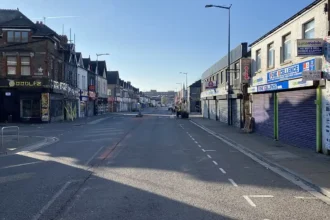
Oakfield Street also demonstrates the pressures facing historic residential districts. Plasnewydd has high housing demand and significant transport activity. Cardiff Council has introduced proposals for parking management in parts of Plasnewydd, demonstrating the continuing need to balance modern transport requirements with established residential environments.
Historic preservation therefore involves active planning rather than simply retaining old buildings.
What makes Tredegarville one of Cardiff’s historic residential streets?
Tredegarville preserves an important residential district associated with Cardiff’s nineteenth-century expansion. Its conservation designation recognises historic housing patterns, architectural details and the relationship between streets, buildings and plots within the wider Plasnewydd area.
Tredegarville is another important residential conservation area in Cardiff.
Cardiff Council lists Tredegarville under its designated conservation areas and provides a dedicated appraisal.
The area reflects the urban expansion that accompanied Cardiff’s rapid economic growth.
Residential development in districts such as Tredegarville provided housing close to the growing city. Streets were laid out systematically, and repeated house forms created efficient residential neighbourhoods.
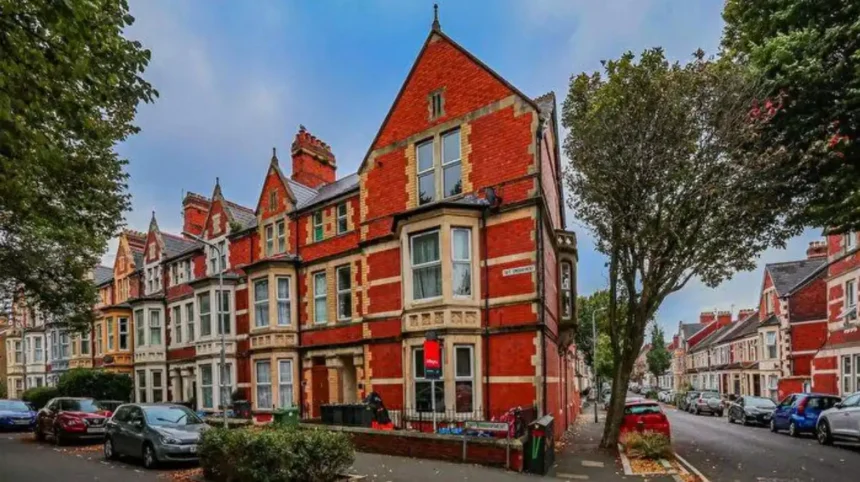
Historic terraces are particularly important to Cardiff’s architectural identity. Their narrow plots, repeated façades and continuous street frontages demonstrate how nineteenth-century builders created high-density housing.
Tredegarville also remains a functioning residential district rather than a preserved historic enclosure.
The continued use of these buildings creates an ongoing conservation challenge. Modern households require improved insulation, heating, electrical systems, bathrooms, kitchens, broadband infrastructure and parking. Historic buildings therefore need adaptation without losing the features that establish their architectural character.
This balance is central to modern conservation practice.
Why is Wordsworth Avenue included among Cardiff’s protected historic streets?
Wordsworth Avenue forms part of Cardiff’s Plasnewydd conservation heritage and retains historic residential character associated with early twentieth-century suburban development. Its architectural value is strengthened by the wider street pattern, housing plots and surviving period features.
Wordsworth Avenue is officially listed by Cardiff Council as a conservation area, with a dedicated appraisal.
The avenue is part of the Plasnewydd residential landscape and demonstrates the transition from dense Victorian development towards more spacious early twentieth-century suburban housing.
The street is also relevant to contemporary urban planning. Cardiff Council identifies Wordsworth Avenue within its transport and parking-management programmes, showing how historic residential streets remain part of a modern urban network.
Wordsworth Avenue is also associated with a School Street around St Peter’s Roman Catholic Primary School. Cardiff Council lists restricted vehicle-access periods for the school street.
These modern interventions demonstrate that historic preservation does not remove a street from everyday city life.
Instead, planners must integrate safety, accessibility, parking, active travel and traffic management while maintaining the established character of the area.
Why is Rhiwbina Garden Village different from Cardiff’s Victorian streets?
Rhiwbina Garden Village represents a planned twentieth-century residential model based on garden-suburb and garden-village principles. Its significance comes from coordinated housing, green spaces, street layouts, landscaping and architectural consistency rather than dense Victorian terrace development.
Rhiwbina provides one of Cardiff’s clearest examples of planned residential development from the twentieth century.
Cardiff Council designates Rhiwbina Garden Village as a conservation area and provides a specific appraisal.
The garden-village model differs from the dense urban terraces found closer to central Cardiff.
Garden-village planning generally emphasised lower-density housing, gardens, greenery, pedestrian movement and carefully arranged streets.
Rhiwbina therefore represents a different stage of Cardiff’s housing history.
Its architectural significance is closely connected with the layout of the settlement. Houses, roads, open spaces and vegetation work together to establish the area’s character.
This makes Rhiwbina particularly valuable for understanding twentieth-century planning.
The distinction is important for visitors comparing Cardiff with Bristol. Bristol also contains extensive Victorian and Edwardian suburbs, but Cardiff’s Rhiwbina provides a clear example of how garden-village planning influenced Welsh urban development.
Rhiwbina’s conservation status also demonstrates that historic significance does not depend on great age. A twentieth-century neighbourhood can have substantial heritage value when its planning principles and architectural character remain legible.
How can visitors identify a well-preserved historic residential street?
Visitors can identify well-preserved historic streets by examining consistent building lines, original plot sizes, traditional materials, period windows, roof forms, boundary walls, front gardens, mature trees and repeated architectural details that create a coherent streetscape.
The easiest method is to examine the entire street rather than focusing on one house.
Start with the building line. Historic terraces often have consistent front elevations and narrow plots. Larger suburban houses usually occupy wider plots and sit further from the pavement.
Next, examine materials. Cardiff’s historic residential architecture commonly uses brick, stone, rendered surfaces, slate roofs and traditional timber or metal details.
Windows provide another useful indicator. Historic properties often retain sash windows, bay windows, timber frames or other period proportions. Modern replacement windows frequently alter the appearance of individual buildings.
Doors and entrances also provide evidence. Decorative fanlights, panelled doors, porches and stone surrounds can help identify period architecture.
Boundary treatments are equally important. Low walls, railings, hedges and front gardens contribute to the collective character of residential streets.
Cadw specifically identifies materials, detailing, building plots, routes and settlement patterns as components of conservation-area significance.
This means preservation should be assessed through the whole streetscape.
How does conservation-area status protect Cardiff’s historic residential streets?
Conservation-area designation introduces additional planning controls designed to preserve or enhance an area’s special architectural and historic character. Controls can affect demolition, alterations, trees and other changes that influence the appearance of the wider streetscape.
Conservation-area status is a formal planning designation.
Cadw states that the Historic Environment (Wales) Act 2023 provides the legislative framework for conservation areas in Wales. Local planning authorities designate areas of special architectural or historic interest and must consider preservation and enhancement when exercising planning functions.
Cardiff currently has 27 designated conservation areas.
Additional controls can apply within these areas. Cardiff Council states that planning permission is generally required for certain works in conservation areas, while trees receive additional protection.
Article 4 Directions provide another planning mechanism. These directions can remove certain permitted development rights and give authorities greater control over changes such as window alterations.
The objective is not to freeze neighbourhoods in one historical period.
Instead, conservation management aims to ensure that necessary change respects the characteristics that make the area historically important.
Explore More Area Guide
Hidden Art Deco Buildings Around Cardiff, Wales 2026
Historic Villas in Llandaff: Cardiff Heritage Guide 2026
How should visitors explore Cardiff’s best-preserved residential streets?
Visitors should explore historic residential areas on foot, beginning with designated conservation districts and observing building patterns, materials, gardens, boundaries and street layouts. Llandaff, Cathedral Road, Roath Park, Penylan, Plasnewydd and Rhiwbina provide distinct architectural contexts.
Walking is the most effective way to understand residential architecture because many important features operate at street level.
A practical route can begin in Llandaff, where the historic village environment provides the oldest context. The walk can then continue towards residential streets around Cathedral Road and Pontcanna.
A separate eastern Cardiff route can focus on Roath Park, Roath Mill Gardens, Penylan and Plasnewydd. These areas show how residential development expanded around public parks and transport-connected suburbs.
Rhiwbina provides a contrasting experience because its significance comes from planned garden-village development.
Visitors should respect residents and avoid entering private gardens or properties. Historic residential streets remain ordinary neighbourhoods as well as heritage environments.
Cardiff Council’s official conservation documents provide the most reliable information before visiting or photographing particular streets. The council publishes conservation-area maps, appraisals and guidance for designated areas.
For visitors travelling from Bristol, Cardiff’s compact urban structure makes it practical to combine historic residential areas with central attractions during a day visit.
Why do Cardiff’s preserved residential streets matter for the future?
Cardiff’s preserved residential streets provide evidence of the city’s urban development while supporting modern communities. Their future depends on careful adaptation, appropriate maintenance, planning controls and continued recognition of architectural character as part of the city’s identity.
Historic residential streets are valuable because they retain physical evidence that cannot be recreated easily once lost.
A terrace demonstrates nineteenth-century housing density. A Victorian villa records changing social expectations. An Edwardian suburban avenue illustrates expansion into previously undeveloped areas. A garden village records changing ideas about housing, greenery and public health.
These environments also contribute to Cardiff’s wider historic identity.
Cardiff Council’s conservation programme currently recognises 27 conservation areas, around 1,000 listed buildings and around 300 locally listed buildings across the city.
The scale of this heritage resource creates a long-term management responsibility.
Modern requirements will continue to affect historic homes. Energy efficiency, accessibility, transport, parking, drainage, telecommunications and changing household needs all require physical adaptation.
Successful conservation therefore depends on informed change.
Cadw’s approach emphasises conservation-area appraisal as the evidence base for positive management. Appraisals identify special character, problems, opportunities and priorities for future action.
Cardiff’s best-preserved residential streets will remain important because their value lies in continuity. Their houses, gardens, streets, boundaries and layouts collectively record how the city developed.
For visitors from Bristol, they offer a detailed view of Cardiff beyond the major civic and cultural landmarks. For residents, they provide a tangible connection to the city’s architectural history. For planners, they demonstrate the continuing importance of managing historic urban environments within a growing modern city.
What are the best-preserved residential streets in Cardiff?
Some of Cardiff’s best-preserved residential areas include Llandaff, Cathedral Road, Roath Park, Roath Mill Gardens, Oakfield Street, Tredegarville, Wordsworth Avenue and Rhiwbina Garden Village. These areas retain significant historic architecture and established streetscape character.